- Innovative combat system enhances gameplay experience
- Memorable side quests enrich player engagement
- Stunning visuals and soundtrack elevate immersion
- Time pressure severely limits exploration freedom
- Poor technical performance affects gameplay
- World feels empty and lacks engaging content
Emotions
What players like:
Common complaints:
Gameplay feedback:
Performance notes:
Recommendations:
Other player notes:
Similar games
Blend with other games 84%FINAL FANTASY® XIII
 80%FINAL FANTASY VII REBIRTH
 80%Persona 5 Royal
 79%FINAL FANTASY® XIII-2
 79%FINAL FANTASY VIII
 79%FINAL FANTASY VII
 79%OCTOPATH TRAVELER™
 79%FINAL FANTASY VIII - REMASTERED
 79%FINAL FANTASY VII REMAKE INTERGRADE
 78%FINAL FANTASY TYPE-0™ HD
 78%FINAL FANTASY XVI
 78%The Legend of Heroes: Sen no Kiseki II KAI -The Erebonian Civil War-
Review evidence
Why players say this
Review evidence
Why players say this
What players like
Innovative Combat System: The real-time, schemata-based combat system is lauded for its depth, customization, and strategic elements like role-swapping and timed attacks. It is considered one of the best in the Final Fantasy series and JRPGs overall.
Memorable Side Quests: Side quests are praised for their emotional depth, philosophical themes, and integration with the main story. They enhance world-building and provide meaningful progression rewards.
Stunning Visuals and Soundtrack: The game features beautiful graphics, detailed environments, and a phenomenal soundtrack that enhances the atmosphere. The art direction and music are frequently highlighted as strengths.
Exceptional Story and Conclusion: The game is widely praised for its strong narrative, emotional character arcs, and satisfying conclusion to the FFXIII trilogy. Fans highlight the story's depth, closure, and ability to resonate with long-time players.
Challenging and Rewarding Boss Fights: Boss fights, including superbosses, are designed to be strategic and challenging, offering a satisfying experience for players who master the combat system.
Common complaints
Time pressure ruins exploration: The time-limit mechanic is frequently cited as stressful, restrictive, and detrimental to exploration. Players feel rushed, miss content, and experience frustration due to poorly implemented time gates and artificial urgency.
Combat system is flawed: The combat is described as unintuitive, repetitive, and poorly balanced. Players struggle with outfit-switching mechanics, limited healing, and difficulty spikes, especially in boss fights.
Poor technical performance: The PC port suffers from performance issues like stuttering, frame drops, and poor optimization. Controls are criticized for lacking mouse support and being unintuitive.
World feels empty and dull: The open world is described as lifeless, with repetitive quests, sparse environments, and a lack of engaging content. Players feel the atmosphere is depressing and uninspired.
Disjointed from Final Fantasy legacy: The game is seen as a departure from traditional Final Fantasy elements, with criticisms of its combat, story, and scope. Players feel it fails to live up to the series' standards.
Gameplay and performance
Time-Limited Gameplay Mechanic: A 13-day countdown creates urgency, requiring players to manage time efficiently. Side quests extend the time limit, and Chronostasis allows temporary time manipulation, adding strategic depth to progression.
Schemata and Customization System: Players customize combat roles via Schemata (outfits), each with unique abilities, weapons, and stats. Abilities can be merged for upgrades, and gear is fully customizable, allowing for deep strategic variety.
New Game+ and Replayability: New Game+ modes carry over equipment and unlock harder difficulties, including exclusive gear. The time-limited structure and multiple endings encourage replayability for full completion.
Solo Protagonist Focus: The game centers on Lightning as the sole playable character, with non-controllable party members. Combat and progression revolve around her customizable Schemata and abilities.
Open-World Exploration with Quests: The game features four large, non-linear zones with abundant side quests, ranging from fetch tasks to narrative-driven missions. Exploration is encouraged, though some quests lack clear objectives or map markers.
Mixed PC port performance: The PC port is functional and supports high-end graphics options like 4K and 60 FPS, but suffers from inconsistent performance, including frame drops, stuttering, and occasional crashes. Optimization varies across hardware configurations, with mid to low-range PCs experiencing more issues.
Hardware and driver tweaks required: Performance can be improved with NVIDIA power settings or tools like DXVK, but the game should run smoothly without additional programs. Optimization varies, with some users needing to adjust resolution or scaling for stability.
Graphical inconsistencies and downgrades: While the game supports high resolutions, graphics are inconsistent, with detailed characters but poor environments or NPCs. Some users report a downgrade compared to previous entries, and performance worsens after lowering settings.
Inconsistent input and controls: The PC port lacks proper mouse-and-keyboard support, requiring gamepad use or keyboard remapping. Controller input issues arise from Steam Input conflicts, making controls feel clunky or unresponsive.
Stability improved but crashes persist: While the PC version is more stable than previous entries in the series, occasional crashes and stuttering still occur, particularly in specific areas or without patches. Some crashes are attributed to hardware or driver conflicts.
Recommendations
Not for casual players: The game’s time pressure, complex mechanics, and lack of traditional JRPG pacing make it unsuitable for casual players or those seeking a relaxed experience. It is best enjoyed by hardcore fans or those familiar with FFXIII’s systems.
Combat and customization appeal: The dynamic combat system, deep customization, and strategic planning are praised as standout features. Fans of action-heavy RPGs and replayability find these mechanics highly engaging and rewarding.
Final trilogy conclusion reward: The game is highly recommended for its strong narrative closure, particularly for fans of the FFXIII trilogy. Players emphasize the emotional and satisfying ending as a major reason to play, even if other aspects are flawed.
Guides and mods recommended: Players frequently suggest using walkthroughs, mods, or trainers to mitigate frustrations like unclear quest conditions, time limits, and performance issues. These tools enhance the experience but may detract from immersion.
Time management strategies: The time limit is a polarizing mechanic, with players advising either embracing it (e.g., using cronostasis or safety saves) or disabling it via mods. Side quests are best tackled in downtime without obsessive completion.
Platform notes
Steam Deck: User feedback on the Steam Deck experience for this game reveals significant technical barriers, including controller mapping issues, frequent crashes, and performance problems like stuttering and frame rate drops. While some users report a smooth experience, the prevalence of high-severity issues—particularly stability and performance—indicates a largely inconsistent and frustrating experience. The lack of keyboard and mouse support further limits accessibility for some players.
Extra review signals
Monetization: The game's monetization strategy is primarily centered around the inclusion of Day-1 DLC, which is largely praised for adding value to the base game without requiring additional purchases. However, the DLC content provides overpowered advantages that can significantly alter the game's balance, creating an indirect pressure to engage with it. A minor point of contention is the exclusion of the Aerith DLC set, which was available in the console version. Additionally, the game features cosmetic microtransactions in the form of an item shop, but these are optional and do not impact gameplay. Overall, the monetization practices are fair but could be improved by addressing the DLC imbalance.
External guides: The user feedback for *Lightning Returns: Final Fantasy XIII* reveals a heavy reliance on external data due to poor in-game systems. The most critical pain points are time-sensitive quest management (requiring instructional guides) and navigation complexity (forcing spatial data dependency). Technical bugs and missable content further exacerbate the need for external resources. While grind-related complaints exist, they are less frequent than other themes.
Other review notes
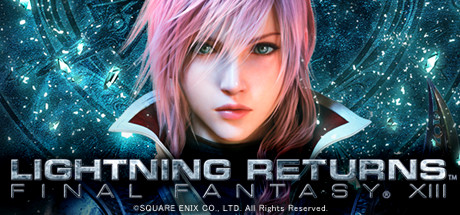
Unique world and story structure: The game features a world divided into four distinct regions with unique biomes, set 500 years after FF13-2. The storyline involves organized religion, a 13-day countdown to apocalypse, and themes of a dying world.
Challenging superbosses and Easter eggs: Superbosses like Yoshinaga and Aeronite are praised for their difficulty and depth, while cross-game references and Easter eggs enhance the experience for dedicated fans.
Nostalgic and emotional closure: The game provides a sense of nostalgia and closure for the FFXIII trilogy, with players expressing emotional attachment and defending the trilogy against criticism. It ties loose ends from FF13-2 and offers a single happy ending.
Origins of game development: Speculation exists that the game may have been repurposed from a different project into the FF13 canon, or that it served as a precursor to later titles like *Origins* or *Type-0*.
Desire for remaster or port: Players express a strong desire for a remaster or port to newer consoles, indicating the game's lasting appeal and potential for broader accessibility.