- Dynamic and engaging combat system
- Stunning visuals and immersive story
- Well-developed and charismatic characters
- Poor combat design and pacing issues
- Excessive filler and weak side quests
- Confusing story with technical performance problems
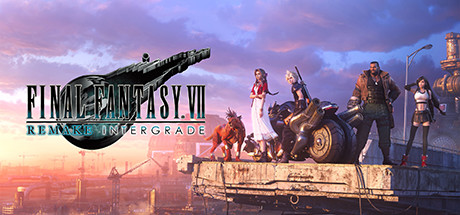
Emotions
What players like:
Common complaints:
Gameplay feedback:
Performance notes:
Recommendations:
Other player notes:
Similar games
Blend with other games 90%FINAL FANTASY VII REBIRTH
 86%FINAL FANTASY VII
 85%FINAL FANTASY® XIII
 85%FINAL FANTASY VIII - REMASTERED
 84%CRISIS CORE –FINAL FANTASY VII– REUNION
 84%Sora no Kiseki the 1st
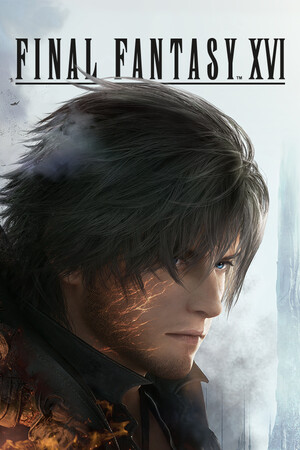 82%FINAL FANTASY XVI
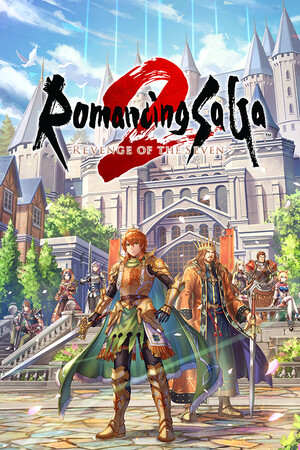 82%Romancing SaGa 2: Revenge of the Seven
 81%STAR OCEAN THE SECOND STORY R
 81%FAIRY TAIL 2
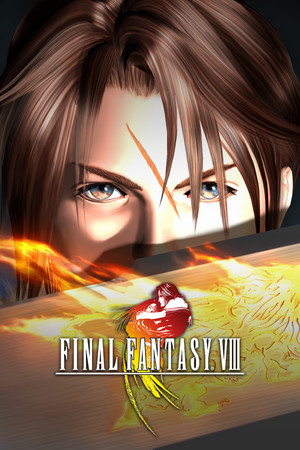 80%FINAL FANTASY VIII
 80%FINAL FANTASY X/X-2 HD Remaster
Review evidence
Why players say this
Review evidence
Why players say this
What players like
Dynamic and engaging combat system: The combat system blends real-time action with tactical elements, receiving high praise for its depth, fluidity, and innovation. Players appreciate the mix of action and strategy, especially in higher difficulties.
Stunning visuals and graphics: The game is widely praised for its high-quality graphics, detailed environments, and impressive character designs. Many reviews highlight the visuals as a standout feature, often describing them as 'gorgeous' or 'Hollywood-level.'
Engaging and immersive story: The story is praised for its pacing, emotional depth, and character development. Players find it engaging from start to finish, with well-written dialogue and impactful plot twists.
Well-developed and charismatic characters: Characters are praised for their depth, charm, and emotional impact. The remake adds new dimensions to beloved characters, making them more relatable and memorable.
Faithful yet modern remake: The remake successfully captures the essence of the original while introducing modern improvements, such as updated graphics, expanded storylines, and refined gameplay mechanics. Fans appreciate the balance of nostalgia and innovation.
Common complaints
Poor combat design and pacing: The combat system is described as boring, repetitive, and poorly balanced, with ineffective mechanics like dodging and blocking. Players find it lacks depth, feels clunky, and disrupts immersion, especially in boss fights.
Excessive filler and padding: The game is criticized for artificially extending playtime with repetitive side quests, minigames, and slow pacing. Players report that the core story could be completed in 5-6 hours without this padding, which detracts from enjoyment.
Misleading remake narrative: The game is perceived as a reboot rather than a true remake, with changes to the original story that confuse or alienate fans. Newcomers also struggle with unclear references and pacing issues.
Weak side quests and rewards: Side quests are criticized for being uninspired, repetitive, and offering little narrative or gameplay value. Rewards are minimal, and quests often feel like padding to extend playtime.
Confusing story and pacing: The narrative is criticized for being unclear, overly dramatic, or poorly paced. Flashbacks, non-linear storytelling, and slow chapters frustrate players, especially newcomers.
Gameplay and performance
Hybrid combat system dominates: The game's combat blends real-time action, turn-based elements, and ATB mechanics, creating a dynamic but divisive system. Players note the shift from the original's turn-based style to a more fluid, action-oriented approach with tactical pauses.
Linear but cinematic progression: The game features closed, corridor-like levels with heavy cutscene integration, creating an interactive film experience. While not open-world, exploration within stages is rewarding, though pacing suffers from filler content.
Materia system enables customization: The materia system allows for diverse playstyles through magic, skills, and synergy, though some players note it’s simplified compared to the original. Strategic materia swapping is key for boss fights.
Forced character switching in combat: Combat requires frequent party member swaps to use abilities, which some players find intrusive. The system emphasizes strategic use of character-specific skills but can feel restrictive during chaotic battles.
ATB system slows action: The ATB gauge introduces turn-based elements into real-time combat, slowing time for commands. Players note it can be interrupted by enemies, adding a layer of strategy but also frustration.
Steam Deck performance issues: Players report stuttering, FPS drops, and crashes on Steam Deck, particularly in highly populated areas. Some note stable 30 FPS on high settings, but compromises are often required for playability.
Hardware compatibility range: The game runs well on mid-range hardware (e.g., GTX 1050 Ti) but requires high-end PCs for 4K/120 FPS. Some users report smooth performance on lower-end systems with adjustments.
Mixed optimization feedback: Reviews are divided on optimization quality, with some praising it as top-notch (especially for a port) while others criticize persistent issues even after lowering settings.
60 FPS performance on consoles/PC: The game achieves locked 60 FPS on next-gen consoles and higher frame rates on PC (up to 120 FPS), significantly improving fluidity and gameplay experience.
White screen bug disrupts gameplay: A recurring bug causes the screen to turn white during critical moments (e.g., combat), often resolved by reloading or entering photo mode. This affects immersion and progression.
Recommendations
Strong recommendation for fans: The game is highly recommended for fans of the original Final Fantasy VII, newcomers to the series, and JRPG enthusiasts. Many reviews emphasize its appeal to both longtime fans and new players due to its modernized take on the classic.
Story and characters drive appeal: The game is frequently recommended for its compelling story, well-developed characters, and immersive audiovisual experience. Players who prioritize narrative and character depth are likely to enjoy it.
Play original for context: Several reviews recommend playing the original Final Fantasy VII before the remake to fully appreciate the story, pacing, and nostalgic elements. This is especially true for veterans of the series.
Avoid if seeking classic FF feel: Players who prefer the classic Final Fantasy games (e.g., turn-based combat, older mechanics) may find the remake disappointing. It is not recommended for purists of the original style.
Best purchased on sale: Many reviewers suggest buying the game at a discounted price, especially for newcomers or those familiar with the franchise. Full price is often seen as less justifiable due to minor flaws or lack of replayability.
Other review notes
Remake feels like spin-off: Players perceive the game as a reboot or spin-off rather than a direct remake, citing comparisons to other titles in the series like Rebirth and noting its divergence from the original FF7's structure.
Game split into multiple parts: The remake is divided into segments, with this installment covering only the Midgar portion of the original FF7, requiring players to wait for future releases to experience the full story.
Narrative requires prior knowledge: The story assumes familiarity with the original FF7 or future games (e.g., Rebirth), making it difficult for newcomers to fully grasp the narrative without additional context.
Patchwork gameplay design: The game blends various gameplay elements in a way that some players describe as disjointed or inconsistent, lacking a cohesive feel.
Missing content in PS4 version: The PS4 version of the game lacks Yuffie's story, which is available in other versions, disappointing players who expected full content parity.