- Intuitive and strategic gameplay mechanics
- Smooth progression with long playtime
- Good value for cost effectiveness
- Class imbalance reduces gameplay variety
- Rebirth and talent trees feel ineffective
- Manual upgrades disrupt idle experience
Emotions
What players like:
Common complaints:
Gameplay feedback:
Performance notes:
- -
No data available
Recommendations:
Other player notes:
Similar games
Blend with other games





Review evidence
Why players say this
Review evidence
Why players say this
What players like
Intuitive and strategic gameplay: The game features a simple yet deep design, eliminating complex systems like luck-based mechanics. Players appreciate the strategic elements such as boss clicking, character slots, and well-designed classes, skill trees, and upgrades.
Smooth progression and long playtime: Progression is described as smooth, with a long potential playtime. The game becomes more enjoyable after 50 stages, which act as a tutorial for an infinite idle mode, including a well-explained rune system.
Good value for cost: The game is praised for its fun-to-cost ratio, with players finding it engaging for extended periods. The affordable price and high completion level for an idle game contribute to its perceived value.
Dual gameplay modes for flexibility: The game supports both active combat participation and background farming, making it suitable for mindless grinding or occasional interaction. This flexibility caters to different playstyles.
Polished visuals and shell: The game’s visuals and overall presentation are well-received, with cute character designs and a well-made interface. The mini-games and speed multiplier (spacebar) add to the polished experience.
Common complaints
Class imbalance limits gameplay variety: Only the archer class remains viable at higher levels, while others (healer, tank, miner) become ineffective due to upgrade inefficiency. Class synergies are limited, with only mage/knight combos being viable, reducing build diversity.
Rebirth and talent trees ineffective: Rebirthing and investing in talent trees do not significantly improve character strength or speed up early runs. Rebirth nodes become ineffective at higher stages, making progression feel stagnant.
Manual upgrades disrupt idle play: Players report frequent manual upgrades are required, disrupting idle progression. The rebirth mechanic resets upgrades, forcing repetitive manual re-upgrades, and lacks auto-upgrade functionality, which contradicts the idle game design.
UI and UX issues: The prestige skill tree UI is poorly designed and geographically unbalanced. The background mode window is inconvenient to resize, requiring resolution changes in settings, which disrupts gameplay.
Early-game frustration and monotony: The initial stages (before floor 50) feel unenjoyable and frustrating. Enemies lack variety, feeling identical regardless of location, which contributes to the repetitive experience.
Gameplay and performance
Class-based progression with roles: The game features 4 distinct classes (e.g., mage, knight, archer, miner/healer) with specific roles and playstyles. Synergy between classes like mage/knight is mandatory for progression, and the archer is emphasized as the primary DPS in later stages.
Core idle/incremental gameplay: The game is primarily an idle/incremental experience with manual upgrades, offline progression, and a 50-stage tutorial leading to infinite idle mode. Players engage in auto-battler mechanics with RPG elements like talent trees and stat upgrades.
Offline and background play: The game supports offline progression and background farming, allowing players to leave the game running and return later to collect rewards. Features like a fast-forward button and speed multipliers enhance this experience.
Mini-games and action elements: Action-based mini-games and boss-clicking mechanics provide breaks from idle gameplay. These mini-games offer bonuses and additional rewards, catering to players who prefer active participation.
Meta-progression and rebirth systems: Players unlock meta-progression through systems like rebirth mechanics, prestige trees, and node unlocking. These systems enhance base stats and provide long-term goals beyond linear progression.
Recommendations
Worth for idle game fans: The game is recommended for players who enjoy clicker or incremental games, particularly at a lower price point like $6. However, it is not considered a standout in the genre.
Desire for deeper mechanics: Feedback indicates a hope for more complex and engaging mechanics in future iterations of the game to enhance replayability and depth.
Auto-upgrade customization needed: Players suggest adding auto-upgrade functionality with customization options to improve gameplay experience and reduce repetitive tasks.
Other review notes
Developer responsiveness praised: Multiple reviews highlight the developer's active engagement with player feedback, suggesting strong community support and post-launch commitment.
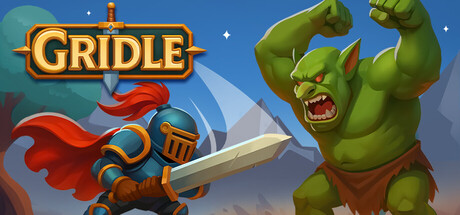
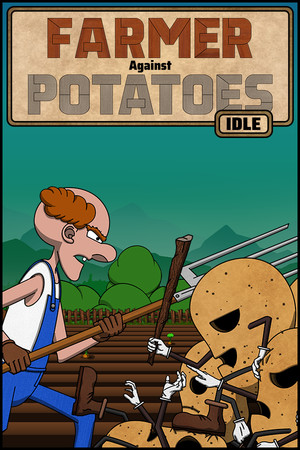
Criticism of Steam cover art: Players express dissatisfaction with the Steam store cover art, often alleging it appears AI-generated or low-quality. This impacts first impressions and perceived game polish.