- Improved sequel overall
- New mechanics and graphics
- Cozy relaxing automation game
- Poor UI and information design
- Frustrating water pipe mechanics
- Technical issues and bugs
Emotions
Archetypes
What players like:
Common complaints:
Gameplay feedback:
Performance notes:
Recommendations:
Other player notes:
Similar games
Blend with other games



Review evidence
Why players say this
Review evidence
Why players say this
Steam review verdict
A cozy relaxing automation sequel with strong mechanical and visual improvements, yet its frustrating pipe logistics, cluttered UI, and lingering technical bugs dull the experience.
What players like
Improved sequel: Many reviewers note the game is a substantial improvement over the first game, with enhanced mechanics, content, and overall enjoyment. It retains the original's strengths while adding new features.
New and improved mechanics: The game introduces new mechanics while improving all from the first game. Reviewers appreciate the added depth and quality of life enhancements.
Cozy and relaxing: The game provides a relaxing and satisfying experience, perfect for unwinding. Its peaceful atmosphere and low-stress gameplay are praised.
Good automation game: Reviewers find the game to be a solid automation game, with engaging systems and a satisfying loop. It is described as simple yet enjoyable.
Engaging gameplay loop: The core loop of selling items, raising villager happiness, and attracting new villagers is engaging. Reviewers find this progression rewarding and addictive.
Common complaints
Poor UI and information design: The UI is clunky and uninformative, with tiny cursors, confusing hotbars, and lack of clear explanations for many mechanics. This makes navigation and understanding the game difficult, especially for new players.
Sequel feels weaker than original: Players report the sequel is less enjoyable, with slower pacing and reduced chill compared to the first game. It feels more like a mod than a true sequel, lacking meaningful additions.
Frustrating water and pipe mechanics: Managing water and underground pipes is tedious and frustrating due to unclear levels, difficult placement, and lack of information. Many players found water supply a major headache that detracts from the experience.
Technical issues and bugs: Numerous bugs plague the game, including crashes, freezes, disappearing characters, and inconsistent game mechanics. These technical flaws undermine the player's experience and trust in the product.
Unbalanced and tedious production chains: Crafting and production become overly complex and tedious in the late game, with unbalanced recipes and a lack of quantitative data. This makes optimization difficult and leads to a loss of engagement.
Gameplay and performance
Resource gathering and management: Core gameplay involves resource gathering, processing, and management, along with building production chains and construction chains.
Island-based campaign with story: The game is set on islands and includes a campaign mode with a storyline. Players progress through islands that unlock new resources and recipes.
Core automation and factory gameplay: The game is consistently described as a factory, automation, and resource management game, often compared to Factorio. It features belts, automation, and a cozy style.
Comparison to the first game: Reviews are divided: some say the game introduces new mechanics and is harder than the original, while others feel it has few new elements and is largely similar to the first generation.
Volcano mechanic is central: A volcano is a prominent gameplay element, involved in the campaign and requiring offerings such as food. It also integrates with island development.
Performance issues in various scenarios: Players report framerate drops, especially when opening overlays, and occasional freezes that require forced exits. These issues affect overall smoothness and can be frustrating, indicating a need for optimization.
Generally good performance overall: Many players enjoy high framerates, often exceeding 100 FPS, and describe the gameplay as smooth, especially early on. This suggests the game runs well on capable hardware, with issues occurring in specific situations or later stages.
Steam Deck crash during naming: A specific bug causes the game to crash on Steam Deck when naming a save file while the Steam overlay is active. This is a niche but reproducible issue that hampers the experience on that device.
Input deletion bug on buildings: There is a bug where input arrows on buildings sometimes cannot be deleted, which can disrupt placement and editing. This is a minor but noticeable UI issue that affects gameplay flow.
Performance worsened versus predecessor: Players feel the game's smoothness and flow are worse than the first generation, indicating a regression in performance compared to the previous title. This comparison suggests that expectations were higher based on past experience.
Recommendations
Game highly recommended overall: Multiple clusters consistently praise the game and recommend it to a broad audience, whether they are fans of the genre or new players. The feedback indicates strong satisfaction and positive purchasing advice.
Strong recommendation for automation fans: The game is especially recommended for players who enjoy factory, automation, and city-building games such as Factorio, Satisfactory, and other similar titles. These reviewers find the gameplay highly engaging and fitting for the genre.
Good sequel but polish issues: Reviewers suggest that fans of the first game will likely enjoy the sequel, but some caution that the current version may be less polished and could improve over time. Waiting for further updates is advised for some players.
Worth the price and purchase: The game is consistently described as good value for the money, with several reviewers emphasizing that it is definitely worth the purchase. The price is considered fair relative to the content and playtime provided.
Play first game before sequel: Some reviewers recommend playing the first game before trying the sequel for a better overall experience, as the first installment is currently more polished. However, one reviewer notes that playing the first is not necessary to enjoy the sequel.
Buying context
Community fair range: $10.00 - $20.00.
Game completion: 55.0h.
Story completion: 23.0h.
Session length: 2.0h.
The game starts with notable friction from manual character movement, water management, and other tedious tasks, but becomes genuinely fun and addictive once automation reduces those burdens—around 6 hours in.
Reported time to anchor: 6h.
Friction: Playable character movement requirement; Frustrating underground pipe management; Tedious volcano tasks; Tedious water management; Unclear water requirement for happiness in early game; Rough first few hours / slower pacing than predecessor.
Player profiles
Automation Veteran: Efficient, system-driven, focuses on production chains and optimization. Motivation: Seeking a novel twist on automation systems after mastering other factory games. Stance: buy.
Cozy Relaxer: Leisurely, low-pressure, appreciates atmosphere and casual progression. Motivation: Enjoyable, stress-free management that offers a soothing escape. Stance: buy.
Factory Town Devotee: Experienced with series mechanics, evaluates changes against the first game, patience for early access issues. Motivation: Continuing their love for the original while expecting it to evolve and improve. Stance: sale.
Extra review signals
External guides: The dominant feedback is that the game lacks clear explanations and tutorials, forcing players to rely on external sources and prior experience. The core issue is the need for instructional data to understand systems, mechanics, and optimization, rather than economic, inventory, or spatial data.
Other review notes
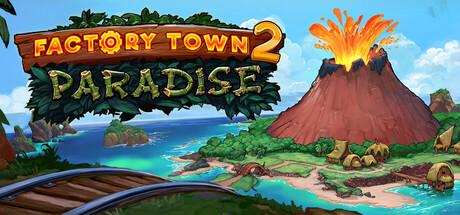
Compared to Factory Town: Reviews frequently compare the game to Factory Town 1, with mixed feelings: some prefer the original, while others find the sequel to be a fresh take with new mechanics. The comparison indicates the game is a direct successor with notable differences.
Early access feels complete: Players note the game is in early access but already feels complete and polished, with frequent bug fixes and updates. It offers a full late-game experience rare for the genre.
Developer highly responsive: The developer, Erik Asmussen, is repeatedly praised for being active, listening to community feedback, and releasing frequent patches and updates. Players appreciate the direct and quick responses to suggestions and bug reports.
Sequel to Factory Town series: Reviews confirm the game is a sequel to Factory Town, developed by the same creator. It is often described as the successor, with some noting it is well on its way to being as addictive as the original.
Similar to first game: Several reviews note the game feels similar to the first Factory Town in its base mechanics, with some saying it is a new generation but almost the same. This suggests the sequel closely follows the original's formula.