- Fun, engaging gameplay with unique genre combination.
- Well-developed NPCs and engaging stories.
- Satisfying factory automation and progression mechanics.
- Repetitive, grindy gameplay in mid-to-late game.
- Poor combat and uninspired dungeon design.
- Unclear mechanics and inconvenient controls.

Emotions
What players like:
Common complaints:
Gameplay feedback:
Performance notes:
Recommendations:
Other player notes:
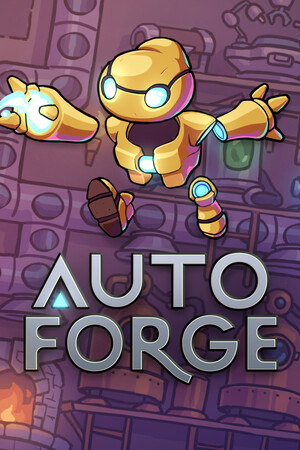
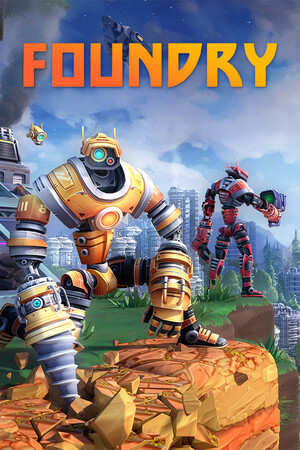
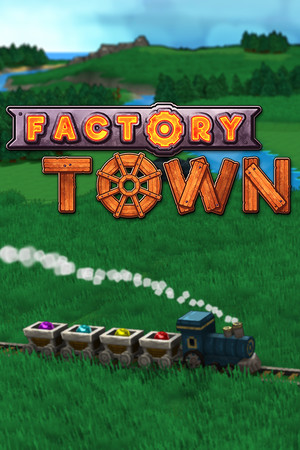
Similar games
Blend with other games







Review evidence
Why players say this
Review evidence
Why players say this
What players like
Fun and engaging gameplay: Many reviewers found the game enjoyable, addictive, and engaging, especially in the early to mid-game. They praised its fun gameplay loop, immersive qualities, and overall charm, noting that it provides a good value for the money and has high replayability.
Well-developed NPCs and stories: Reviewers consistently praise the well-developed NPCs, their engaging storylines, and the depth of character interactions. The game's social system, including romance options and gift-giving, adds to the immersive experience and provides motivation to keep playing.
Satisfying automation mechanics: The game features satisfying automation mechanics, allowing players to create efficient production lines and optimize resource management. Reviewers enjoy the feeling of increasing production and economic growth, finding the process of building and optimizing these systems engaging and rewarding.
Unique genre combination: The game blends elements from various genres like farming simulators (Stardew Valley), automation games (Factorio, Dyson Sphere Program), and RPGs, often with a Wuxia or martial arts theme. Reviewers appreciate this unique combination, which sets it apart from other games in these genres.
Appealing romance options: The game features romance options with appealing characters, including same-sex relationships, and allows players to build large families. Some reviewers particularly enjoyed exploring all the romance storylines and character interactions.
Common complaints
Repetitive, grindy mid-to-late game: Many reviewers found the game becomes repetitive and grindy, especially in the mid-to-late game. This is due to a lack of engaging content, excessive resource requirements, and an overall feeling that the game's length is artificially extended. Some reviewers felt like they were in jail.
Poor combat and uninspired dungeons: Reviewers criticized the combat system for being simplistic, unengaging, and sometimes unresponsive. Dungeons lack depth and exploration, and combat content is limited with repetitive maps. Combat feels more like a chore than an integral part of the game.
Unclear mechanics and inconvenient controls: The game lacks clear guidance on special mechanics, and some game mechanics are not very obvious. The in-game help doesn't clearly explain the direction of arrows and machines, requiring trial and error. The game also has inconvenient controls.
Poor resource and logistics management: The game lacks resource auto-balancing and a built-in tool to calculate production efficiency. The need to gather materials and rebuild production lines is exhausting, even before blueprints are unlocked. The game also lacks a logistics system to separate different items, leading to complex and space-consuming setups.
Poor translation quality: The game's translation is poor, with many reviewers describing it as machine-translated or resembling a Google Translate output. This negatively impacts immersion and makes the story difficult to understand.
Gameplay and performance
Automated factory building and progression: The core gameplay loop revolves around building and optimizing automated production lines within a factory setting, reminiscent of games like Factorio. Players progress through technology tiers by repairing a central temple structure, unlocking new equipment and expanding the explorable world. This system combines factory automation with progression and exploration.
Martial arts combat and training: The game features a martial arts combat system where players explore the world, fight monsters, and train to improve their skills and stats. Players can repeatedly enter completed dungeons to gain martial arts experience. This system combines action RPG elements with character progression.
Resource gathering and management: Resource acquisition involves foraging, crafting, and purchasing contracts for resource fields. Some reviews indicate that materials can be difficult to obtain early on, requiring specific technology unlocks. This system combines resource management with progression.
NPC interaction and relationships: Players can interact with NPCs in town, building relationships through gifting and completing quests. These social interactions add a life sim element to the game. However, some reviews suggest these interactions may be shallow.
In-game time and calendar system: The game features a time system with adjustable day length and a sleep mechanic. The in-game calendar and slower world map travel add a time management element to the gameplay.
Late-game performance degradation: Late-game performance suffers due to complex production lines and multi-story rooms. Players report long loading times before sleeping and significant lag when accessing second floors, indicating optimization issues with large, complex structures.
Recommendations
Generally recommended, needs improvements: Many reviewers recommend the game, citing its fun gameplay and potential. Some suggest it's a good starting point for the genre, while others highlight the satisfaction from building production lines and interacting with NPCs. However, some recommend waiting for updates to address shortcomings.
Lacks depth, story content: Some reviewers do not recommend the game due to a lack of depth, insufficient story content, and incomplete systems. Some even regret purchasing it. This negative sentiment contrasts with the positive reviews, indicating a divided player experience.
Good automation, grindy early game: The game is considered a good automation factory game, especially compared to other domestic games. Reviewers recommend it for its production line aspects and the combination of ancient style with Stardew Valley elements, but note that the early game can be grindy.
Awaiting future updates/improvements: Several reviewers are looking forward to future updates to address shortcomings and improve the game. They suggest waiting for these updates before purchasing or returning to the game after a major update.
General support, hoping improvements: Some reviewers express general support for the game and hope it will improve with updates and become a success. This sentiment is vague and lacks specific feedback, reducing its importance.
Other review notes
Chinese names create difficulty: The game has mechanics to increase skills and comprehension. However, the game uses Chinese names for characters and locations, which may be difficult for some players to follow. This could create a barrier to understanding the game's world and characters.
Mods improve quality of life: Players recommend using mods to improve the game's quality of life. Specifically, mods that address bounty quests, handcrafting, and stack sizes are mentioned. This suggests that the base game experience in these areas is lacking and can be improved through community-created content.
Focus on automated production: The game focuses heavily on automated production. While the game has a lot of content, most of it is focused on automated production, which may not appeal to all players. Players who prefer more hands-on gameplay may find the automation aspect repetitive or unengaging.
Theme is the game's strength: The game is considered mediocre but its strength lies in its theme. This suggests that while the gameplay may not be exceptional, the game's setting or story is engaging. Players who are interested in the theme may be willing to overlook the game's shortcomings.
Gathering is time-consuming: Gathering resources consumes a significant amount of in-game time. The reviewer mentions that it takes half an hour of in-game time, which may indicate that the gathering process is tedious or inefficient. This could be a point of frustration for players who want to progress quickly.