- Engaging automation and fun gameplay experience.
- Unique genre blend with high replayability.
- Cute visuals and beginner-friendly accessibility.
- Limited automation and poor combat/UI design.
- Tedious endgame and inefficient logistics systems.
- Grindy mechanics and expensive DLC policy.
Emotions
Archetypes
What players like:
Common complaints:
Gameplay feedback:
Performance notes:
Recommendations:
Other player notes:
Similar games
Blend with other games




Review evidence
Why players say this
Review evidence
Why players say this
What players like
Engaging automation mechanics: The game features well-thought-out and challenging automation mechanics. Players appreciate the clear UI and the evolving complexity of the automation systems.
Fun and engaging gameplay: Players consistently describe the game as fun, engaging, and enjoyable. The gameplay is seen as cute, cozy, and challenging, providing a relaxing and pleasant experience.
Unique blend of genres: The game combines elements from various genres, notably Pikmin and Factorio, creating a unique and enjoyable mix. This blend is seen as polished and well-conceived.
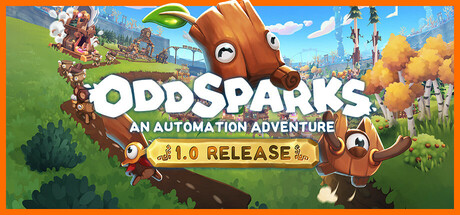
Cute and appealing sparks: The sparks in the game are visually appealing, cute, and charming. Players enjoy the variety and the cute animations associated with the sparks.
High replayability and depth: Players report many hours of gameplay and high replayability. The game offers depth and potential for hundreds of hours of enjoyment.
Common complaints
Limited and flawed automation: The game's automation system is criticized for being shallow, restricted, and clunky. Players find it difficult to achieve full automation and feel that it comes too late in the game.
Poor combat and UI design: The combat system is criticized for being shallow and lacking depth, while the user interface is described as clunky and poorly designed. Players also report bad controls and inconsistent UI navigation.
Tedious endgame experience: The endgame is described as tedious and poorly balanced. Players report a lack of engaging content and an overabundance of fetch quests, making the endgame feel awful.
Inefficient train and logistics systems: The train mechanics are seen as necessary but limited and difficult to manage. Logistics management is also criticized for being slow, tedious, and inefficient.
Grindy gameplay mechanics: The game is criticized for being too grindy, especially in the mid to late stages. Players find the repetitive tasks and endless manual tasks time-consuming and tedious.
Gameplay and performance
Automation and Production Lines: The game heavily focuses on automation mechanics and complex production lines. Players need to manage and optimize production chains, which become increasingly intricate as the game progresses.
Comparison to Pikmin and Factorio: The game blends elements from Pikmin and Factorio, creating a unique experience that combines the charm of Pikmin with the automation depth of Factorio.
Unique and Varied Gameplay: The game offers a unique and laid-back gameplay experience with a variety of mechanics. It includes cooperative multiplayer modes and a flexible yet restrictive gameplay style.
Sparks as Transportation: Sparks replace conventional conveyor belts and are used for transportation lines and automation. They run on paths and serve as a design puzzle, adding a unique twist to logistics.
Tech Progression and Quests: The game features a progression system driven by quests, unlocks, and rewards. Players are guided by objectives while steadily unlocking new technologies and complexities.
Framerate and optimization issues: Many players report framerate issues, FPS drops, and poor optimization, particularly on high-end hardware. This includes jerky rendering and general performance problems.
Positive performance feedback: Some players report stable performance, no major bugs, and good graphical presets and options. The game is described as well-polished and optimized by a subset of players.
Bugs and glitches: Players encounter various bugs and glitches, including visual glitches and issues with signals/wires. Some players also report connectivity problems and save file issues.
Frequent crashes and stability issues: The game experiences frequent crashes and performance drops, especially in the later stages. Some players also report stability issues when tabbing out of the game.
Control and quality of life issues: Players report bad controls and quality of life issues, including choppy controls and slow character performance. Camera limitations and traffic jams with sparks are also mentioned.
Recommendations
Recommended for automation fans: The game is highly recommended for fans of automation games, especially those who enjoy a mix of automation and puzzle elements. It is suggested for both beginners and experienced players in the genre.
Highly recommended in general: Many reviewers highly recommend this game to all friends and players in general, indicating a broad appeal and high quality.
Appeals to Pikmin fans: This game is recommended for fans of Pikmin and similar games like Satisfactory and Factorio. It offers a unique twist that Pikmin lovers would appreciate.
Tips for gameplay: Various tips are provided for easier gameplay, such as enabling the 'Terraform Tool' at the start and building two roads side by side.
Good for beginners: The game is recommended for beginners and new players to the automation genre, suggesting it has an accessible learning curve.
Buying context
Community fair range: $15.00 - $25.00.
Game completion: 115.0h.
Story completion: 60.0h.
The game has a slow and tedious start but becomes significantly more enjoyable once players reach certain milestones and unlock advanced features like trains and complex automation systems.
Reported time to anchor: 2h.
Friction: slow and tedious start; manual meaningless meandering; glacial progression; confusing quest progression; repetitive manual tasks.
Unlock drivers: supply chests; trains; logic networks; hauling sparks; combining Giant Tree and Giant Stone resources; Tier 6 unlocks.
Player profiles
Chill Automation Newcomer: Casual and exploratory. Motivation: Learning and relaxation. Stance: sale.
Efficiency-Driven Veteran: Optimization-focused and strategic. Motivation: Efficiency and completion. Stance: buy.
Relaxed Automation Enthusiast: Casual and creative. Motivation: Relaxation and enjoyment. Stance: buy.
Platform notes
Steam Deck: The game has a mix of positive and negative feedback regarding its performance on the Steam Deck. While many users praise its stability, performance, and excellent controller support, there are notable complaints about frequent crashes and some optimization issues. The overall experience seems to be positive, but stability issues are a significant concern.
Extra review signals
Monetization: The game has received significant criticism for its monetization practices, particularly the frequent and excessive release of paid DLCs. Users find the pricing of these DLCs to be high and unjustified, especially for features that are considered non-essential or sandbox. Additionally, core game mechanics and features that address real game issues are being locked behind paywalls, which is seen as predatory. The high base price of the game combined with the additional costs of DLCs is also a point of frustration. The lack of transparency, such as no demo for testing new tools, and the focus on releasing paid DLCs instead of free updates further exacerbate user dissatisfaction.
External guides: The feedback highlights a mix of positive and negative experiences. While users appreciate the in-game resources and the engaging progression, there are significant concerns about technical issues and the need for external tools to manage inventory and crafting efficiently.
Other review notes
Updates and DLC Content: Reviews discussed updates and additional content provided through DLCs.
Steam Deck Mentioned: Some reviews mentioned the game in the context of the Steam Deck.
Review Copy Provided: Several reviews noted that a review copy was provided by the developer.