- Masterful psychological horror narrative experience
- Exceptional character writing and development
- Impactful and memorable game ending
- Slow and dragging early game pacing
- Inconsistent and forced later pacing issues
- Psychological horror may deter some players
Emotions
What players like:
Common complaints:
Gameplay feedback:
Performance notes:
Recommendations:
Other player notes:
Similar games
Blend with other games 91%Higurashi When They Cry Hou - Ch.2 Watanagashi
 88%Higurashi When They Cry Hou - Ch.3 Tatarigoroshi
 87%Higurashi When They Cry Hou+
 86%Umineko When They Cry - Question Arcs
 86%Higurashi When They Cry Hou - Ch.7 Minagoroshi
 85%Doki Doki Literature Club!
 85%Higurashi When They Cry Hou - Ch.4 Himatsubushi
 85%PARANORMASIGHT: The Seven Mysteries of Honjo
 84%CORPSE FACTORY
 84%Doki Doki Literature Club Plus!
 84%Higurashi When They Cry Hou - Ch. 5 Meakashi
 84%Spirit Hunter: Death Mark
Review evidence
Why players say this
Review evidence
Why players say this
What players like
Masterful psychological horror narrative: The game excels in creating a deeply unsettling and immersive psychological horror experience, with strong atmospheric tension and well-executed suspense. Players consistently praise its ability to evoke paranoia, anxiety, and dread through storytelling and narrative structure.
Strong thematic depth and messaging: The story explores profound themes such as human connection, communication, trauma, and moral dilemmas. These themes resonate deeply with players and contribute to the game’s lasting emotional impact.
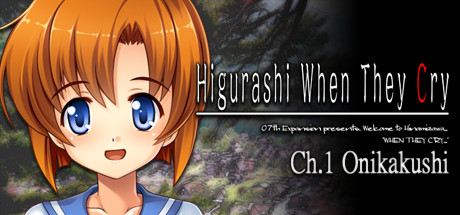
Exceptional character writing and development: Characters, particularly Rena and the protagonist, are vividly written with deep backstories, emotional arcs, and relatable human complexity. Their development fosters strong emotional connections and enhances the narrative impact.
High replay value and engagement: The story’s complexity, twists, and mysteries encourage multiple playthroughs. Players often find themselves deeply invested, questioning character motives and revisiting key moments for deeper understanding.
Superior to anime adaptation: The visual novel format provides more depth, detail, and immersion compared to the anime, with better character motivations, plot explanations, and atmospheric tension. Players often prefer the game for its richer storytelling.
Common complaints
Slow and dragging early pacing: The game's initial hours are frequently criticized for being slow, boring, and overly focused on slice-of-life content, which deters players expecting faster-paced storytelling or horror elements. Many reviewers describe the start as tedious, repetitive, or poorly structured.
Cringe or immature humor: The game's comedic elements, particularly in slice-of-life segments, are often called out as cringe, over-the-top, or overly sexualized. This includes crude jokes, maid tropes, and humor that disrupts immersion.
Inconsistent and forced pacing later: While the early game is slow, later chapters suffer from abrupt genre shifts, rapid plot developments, or illogical pacing. Reviewers note that the second half feels rushed or disjointed, undermining the story's coherence.
Outdated or unpolished visuals: The base game's graphics, character designs, and backgrounds are described as dated, low-quality, or inconsistent. This includes complaints about lack of detail, poor optimization, and reliance on mods for improvements.
Psychological horror may deter players: The game's horror elements, including graphic violence and psychological discomfort, are polarizing. Some players report trauma, nausea, or reluctance to continue due to the intensity of these scenes.
Gameplay and performance
Narrative-driven horror-mystery: The game is a kinetic visual novel with a strong focus on psychological horror and mystery, transitioning from slice-of-life to intense suspense. Players experience a slow-burn narrative with deliberate pacing and minimal gameplay interaction.
Slice-of-life to horror shift: The story begins with lighthearted slice-of-life scenes to establish characters and setting, then pivots sharply into psychological horror and suspense. This contrast enhances the emotional impact of the later horror elements.
No player choices (kinetic novel): The game is a linear, non-interactive experience with no branching paths or dialogue choices. Players progress by reading or clicking through the narrative, emphasizing storytelling over gameplay mechanics.
Structured chapter arcs: The narrative is divided into distinct chapters or subchapters, often with question-and-answer arcs. This structure allows for revisiting the plot from new perspectives and builds suspense systematically.
Pacing issues with slow start: The initial pacing is deliberately slow, which can feel overwhelming or tedious for some players. However, this pacing is designed to create anxiety and set up later horror elements effectively.
Outdated base visuals and UI: Players frequently mention the original game's graphics and interface as outdated, though improvements are noted with patches like the PS3 graphics patch or the 07th Mod. This suggests the core visual experience may feel aged without modifications.
Occasional crashes and sound glitches: Isolated crashes (e.g., during the 8th chapter) and sound glitches are reported, though not universally experienced. These technical hiccups may impact gameplay flow for affected players.
Stable core performance: Many players explicitly note the absence of bugs or lag, highlighting the game's technical stability in most scenarios. This suggests the issues mentioned are exceptions rather than the norm.
Streaming and performance glitches: Some players report visual glitches during streaming or general performance issues, which may disrupt immersion. These issues appear intermittent but notable enough to mention.
Recommendations
Strong narrative and horror appeal: The game is highly recommended for its immersive storytelling, psychological horror, and mystery elements. Players appreciate its emotional engagement and strong writing, making it ideal for fans of narrative-driven visual novels.
07th-Mod enhances experience: Players strongly recommend using the 07th-Mod for improved graphics, music, and overall gameplay experience. It is considered essential for modernizing the game and enhancing immersion.
Free first chapter recommended: The first chapter is free and serves as an excellent introduction to the series. Players encourage trying it before committing to the full game, making it accessible for newcomers.
Patience required for slow-burn story: The game’s narrative unfolds slowly, requiring patience from players. Those who persevere are rewarded with a deeply engaging and emotionally impactful story.
Spoiler-free experience critical: Players emphasize the importance of avoiding spoilers, anime, or manga adaptations before playing to fully immerse themselves in the mystery and suspense.
Other review notes
Cultural and historical significance: The game is recognized for its impact on Japanese anime and manga history, as well as its ties to real-world locations like Shirakawa-go. This adds to its appeal for fans of the genre.
Recommended to play vanilla first: Many players suggest experiencing the game in its original 'vanilla' form before using mods to fully appreciate its design and narrative structure.
Additional content and bonuses: The game includes extra content like TIPS, bonuses, and Steam achievements, which add value for players who enjoy collecting and exploring all aspects of the game.
Long playtime for completionists: The game's eight chapters require an estimated 80-120 hours to complete fully, making it a substantial time investment. This is frequently noted by players who appreciate its depth.
Atmosphere enhances immersion: Players often mention the game's strong atmosphere, such as playing during winter at night, which complements its horror and mystery themes. This adds to the overall experience.