- Masterpiece Shmup; faithful port.
- Excellent dual soundtrack options.
- Impressive HD graphical upgrade.
- Poor sound design and balance.
- Inconsistent visual quality.
- Unforgiving difficulty spikes.
Emotions
What players like:
Common complaints:
Gameplay feedback:
Performance notes:
Recommendations:
Other player notes:
Similar games
Blend with other games 81%Earthion
 78%SNOW BROS. 2 SPECIAL
 78%The Legend of Fancy Realm Remake
 78%THE HOUSE OF THE DEAD 2: Remake
 78%Utopia Must Fall
 77%METAL SLUG
 77%Outlaws + Handful of Missions: Remaster
 77%Deathsmiles
 77%Space Invaders Extreme
 76%MOBILE SUIT GUNDAM SEED BATTLE DESTINY REMASTERED
 76%Ogre Chambers 2222
 76%Cave Story+
Review evidence
Why players say this
Review evidence
Why players say this
What players like
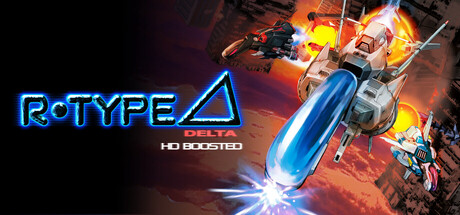
Masterpiece Shmup, Faithful Port: R-Type Delta is widely celebrated as a PS1 shmup masterpiece and one of the best in the series, with many considering this release the most ideal way to play. The remaster is praised for being a high-quality, faithful rendition, running beautifully with perfect controls and frame pacing.
Excellent Dual Soundtrack Options: The game offers both the original highly praised soundtrack and an impressive new arranged soundtrack, created by video game music legends. Players can toggle between these two high-quality audio experiences, enhancing immersion.
Impressive HD Graphical Upgrade: The remaster features new, fantastic HD textures developed in collaboration with Irem, significantly enhancing the visual experience. Players note that these graphical improvements surpass what can be achieved through emulation.
Engaging Level Design & Atmosphere: Reviewers appreciate the fast-paced, well-designed levels, effective camera work, and excellent item placement. The game's unique dark and moody atmosphere, combined with challenging but fun gameplay, is also a highlight.
Commendable Developer Support: Players commend City Connection for their dedication in releasing this long-awaited title, even with challenges like incomplete source code. The port also includes useful features such as Traditional Chinese language support and low latency options for Nvidia users.
Common complaints
Poor Sound Design & Balance: The sound experience is significantly criticized for being bland, quiet, and having an imbalanced mix, especially compared to the original game's dynamic stereo. Specific sound effects, like enemy destruction and boost effects, are noted as different or inferior, with instances of audio noise or complete failure when many sounds play simultaneously. BGM also goes out of sync due to missing slowdown effects.
Inconsistent Visual Quality: Players report widespread graphical issues including inconsistent HD textures, texture wobble, jagged/wobbly polygons, stretched visuals, and blurry UI elements. Many feel the visual quality is inferior to well-emulated versions of the original game, with limited frame rates for units contributing to choppiness.
Unforgiving Difficulty Spikes: The game's difficulty is perceived as punishingly high, made worse by changes like increased speed and the removal of original PS1 slowdown. Players face unpredictable deaths, difficulty recovering after a single hit (losing all upgrades), and an overall 'cheap' feeling in level design. This creates a trial-and-error loop that frustrates both new and veteran players.
Subpar Port Quality & QoL: The port is generally considered poor, lacking essential quality-of-life features expected from modern releases. Players are frustrated by limited key binding customization, absent quick save/load options (available in other shmup ports), difficult controller setup, and basic oversights like requiring ESC to quit the game.
Significant Original Game Differences: Players familiar with the 1999 PlayStation original note numerous, often negative, changes that cause discomfort and make the game feel 'off.' These include altered sound effects, removed enemies, missing iconic force devices, and strange POW launch behavior. The cumulative effect deviates from the source material experience.
Gameplay and performance
Unique Force Pod Mechanics: The game's core gameplay revolves around a distinct 'Force Pod' system, functioning as a versatile tool for offense, defense, and power-ups. Players highlight its strategic depth, requiring careful positioning and understanding of its unique, often slow, movement patterns.
Emphasizes Pattern Memorization: The game's methodical design heavily relies on players memorizing enemy patterns and stage layouts rather than purely relying on quick reflexes. Success often comes from knowing what to expect and planning movements accordingly, making pattern recognition key.
Dynamic Ship Speed Control: Players appreciate the ability to adjust ship speed dynamically across multiple settings, with a preference noted for a medium speed (Speed 3) for optimal control. This fine-tuning allows for more strategic movement in combat scenarios.
Varied Ship Types in Delta: The Delta version introduces significant ship variety, featuring three distinct ships with unique Forces, missiles, and cannon types from the start, with an additional fourth ship unlockable. This adds considerable replayability and strategic depth.
Manageable Progression Difficulty: Players found the game's progression manageable, with some reaching the ending using only a few credits, even with limited recall of specific patterns. This suggests the game might not be overly punishing for a dedicated player.
Stable performance and framerate: Players appreciate the consistent 60 FPS and the absence of classic PS1-era slowdowns. The game appears well-optimized for current generation PCs, with processing delays eliminated for a smooth experience.
Frame rate drops observed: Despite general positive feedback on performance, some players report experiencing frame rate drops, leading to a choppy gameplay experience. This suggests potential inconsistencies in performance or specific optimization issues that need addressing.
Recommendations
Niche appeal, high difficulty: The game is highly recommended for hardcore SHMUP enthusiasts, players seeking a significant challenge, or those ready for retro graphics and dark atmospheric storytelling. Casual players or newcomers to the genre may find the difficulty prohibitive.
Mixed overall reception: While some reviewers highly recommend the game and assign strong scores (e.g., 8/10, 'must-buy'), others offer more neutral or lower evaluations (e.g., 5/10) or conditional recommendations.
Tentative, pending updates: One reviewer gave a tentative recommendation, suggesting their full endorsement is awaiting an update to fix potential issues within the game.
Positive towards HD remasters: There's a general positive sentiment regarding the release of nostalgic games in HD, indicating a favorable view of the remaster concept itself.
Other review notes
Desire for more R-Type titles: Players express a strong desire for other R-Type titles, specifically mentioning R-Type Final HD and R-Type III, to be re-released on platforms like Steam. This indicates a high demand for expanding the available classic R-Type library.
Porting was technically difficult: Developers faced significant challenges porting the game due to an incomplete original source code, reportedly working with only 60-70% of it. This clarifies that the release is an HD upgrade rather than a full remake, and its re-release was considered a long shot.
Visual fidelity comparisons: Reviewers meticulously compared the HD boosted version against the original PS1 game, even against 4K upscaled versions, to assess visual details like color richness and aspect ratio. This highlights player attention to visual authenticity and enhancements.
General release observations: Players acknowledge the game's original PS1 exclusivity, which contributes to its nostalgic value and current pricing. There's also an expectation for minor improvements and fixes in future updates, indicating this is likely an initial version.
Suggests emulation features: Players suggest quality-of-life improvements typical for emulated classic games, such as the addition of a 'fast forward' button. There is also feedback regarding the arranged soundtrack not being set as default, implying a preference for its accessibility.