- Unique TCM management simulation with clinic expansion.
- Cultivate herbs and concoct traditional medicines.
- Anticipation for future improvements and updates.
- Repetitive, shallow gameplay, and weak story.
- Buggy, lacking content, and feels incomplete.
- Unbalanced economy and resource scarcity issues.
What players like:
Common complaints:
Gameplay feedback:
Performance notes:
Recommendations:
Other player notes:
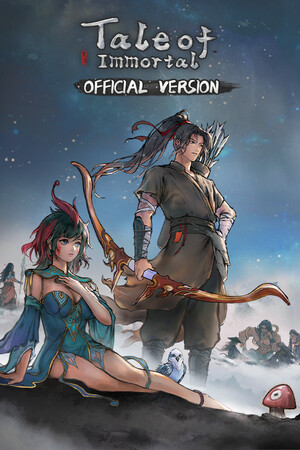
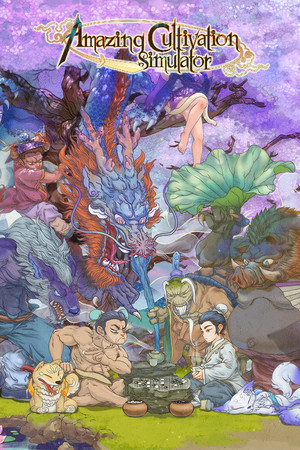
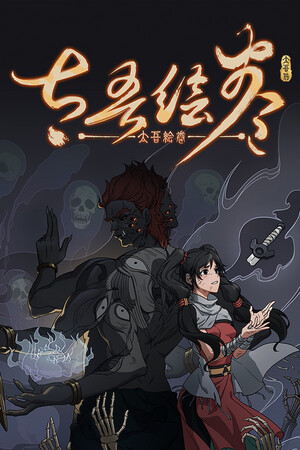
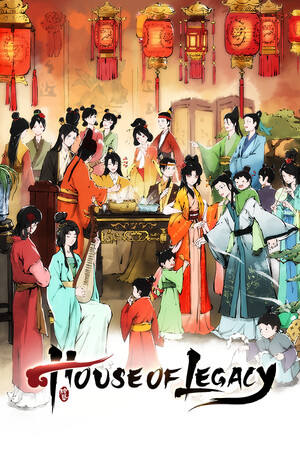
Similar games
Blend with other games




Review evidence
Why players say this
Review evidence
Why players say this
What players like
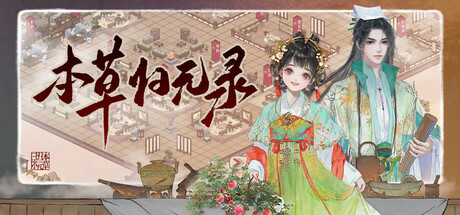
Unique TCM management simulation: The game uniquely blends traditional Chinese medicine (TCM) with simulation management, featuring detailed herbal compendiums, identification mini-games, and medicine concoction gameplay. It incorporates TCM theory, history, and the five elements, enhanced by a strong ancient Chinese art style, including shadow play and ink wash painting, creating an immersive and educational experience.
Cultivate herbs, concoct medicines: Players manage a TCM clinic, cultivating herbs, developing formulas, and concocting medicine. AI assistants automate tasks like planting and preparation, allowing players to focus on events and strategic decisions. The herb formulas correspond to real-world formulas, requiring multiple herbs and processing methods.
Easy to pick up and play: The game is easy to pick up with understandable gameplay and tutorials. The development team has listened to feedback and made improvements since the demo version, resulting in a decent overall experience.
Novel theme with promise: The game's subject matter is novel and allows players to learn while playing. The game's plot uses a semi-classical style of dialogue common in film and television dramas and online novels. The game shows promise.
Appealing art style and music: The game features appealing and distinctive art style with delicate graphics and ink-style character art. The soundtrack complements the relaxed pace of the gameplay.
Common complaints
Buggy, lacking content, incomplete: The game is plagued with bugs, lacks content, and feels incomplete, with some UI elements appearing AI-generated. Many reviewers mention the game is in early access and needs significant optimization and polish before it is ready for a full release.
Repetitive, shallow gameplay, weak story: The game suffers from repetitive gameplay loops, a lack of depth in its management mechanics, and a weak or restrictive storyline. Players find themselves repeating the same actions without a clear sense of progression or satisfying end-game content.
Unbalanced economy, resource scarcity: The game's economy and resource management are unbalanced, with unreasonable seed prices, limited building material availability, and unclear purposes for certain crafting functions. This makes it difficult for players to effectively manage their clinic and progress through the game.
Flawed, limiting stamina system: The stamina system is flawed, limiting character progression and forcing players into frustrating loops. Low stamina caps and reliance on random, cost-ineffective stamina replenishment methods hinder the player experience.
Unclear needs, layout bugs: Players experience issues with unclear patient needs, clinic layout bugs, and patients leaving without paying due to long treatment times or staff fatigue. These issues disrupt the flow of gameplay and create a frustrating experience.
Gameplay and performance
Clinic management and expansion: The core gameplay loop revolves around managing and expanding a traditional Chinese medicine clinic. This involves constructing and upgrading departments, recruiting and training staff, managing resources like herbs and money, diagnosing and treating patients, and exploring to acquire new resources and recipes.
Incorporates TCM elements: The game incorporates elements of traditional Chinese medicine, such as the five elements theory, acupuncture points, and herbal remedies. These elements are integrated into gameplay mechanics, such as character stats and treatment options, offering an educational aspect alongside entertainment.
Shallow resource management: The game features resource management, including purchasing materials and managing a medicine garden. However, the medicine garden can become trivial, and the crafting system lacks depth, diminishing their appeal after a few hours of gameplay.
Exploration and story events: The game features exploration and story elements, including turn-based combat and frequent events. These elements provide opportunities to acquire resources and advance the main storyline.
Recruit partners and doctors: Players can recruit partners with unique skills and backstories who interact with the player and help complete tasks. Players recruit doctors with different attributes from the market, prioritizing those with beneficial traits due to salary costs.
Poor 4K resolution support: The game's 4K resolution support is reportedly poor. This can result in a blurry or otherwise unsatisfactory visual experience for players with 4K displays.
Incorrect business page backgrounds: The background image on the business page sometimes displays incorrect images, such as awards ceremonies or character portraits. This is a minor graphical glitch that impacts the game's presentation and polish.
Recommendations
Anticipation for future improvements/updates: Many reviewers express optimism about the game's potential, citing its unique theme and solid foundation. They anticipate future updates, bug fixes, and content additions to enhance the overall experience and address current limitations. This sentiment is consistent across multiple reviews.
Current state needs improvement: Some reviewers do not recommend the game in its current state, citing issues such as mediocre gameplay, lack of depth, and various bugs. These reviewers suggest waiting for further development before purchasing, or prefer other similar games.
Positive review as support: A reviewer admits to giving a positive review primarily as a form of support, rather than based on the game's merits. This suggests potential review bombing or biased reviews, reducing the reliability of the feedback.
Modify building material limit: A reviewer specifically calls out the building material purchase limit as an area needing modification. This is a specific, actionable piece of feedback.
Focus on player-centric design: One reviewer suggests that the developers should focus on creating an engaging story and a fun virtual world from the player's perspective. This highlights the importance of player-centric design in enhancing the overall gaming experience.
Other review notes
Unique theme, Ming Dynasty setting: The game is set in a fictionalized Ming Dynasty China and incorporates traditional Chinese medicine as a core theme, which is a rare and potentially niche subject in gaming. The art style has a distinct ancient Chinese flavor, though some find it similar to other games.
Early Access, framework complete: The game is currently in Early Access, with the overall framework considered complete. Reviewers express support for the game's direction and look forward to future updates, provided the knowledge content remains accurate and unbiased.