- Exceptional immersive atmospheric experience
- Impressive graphics that hold up
- Strong story-driven Artyom narrative
- Frequent crashes mar experience
- Outdated graphics and mechanics noted
- Enemy AI behaves illogically
Emotions
Archetypes
Hardware
What players like:
Common complaints:
Gameplay feedback:
Performance notes:
Recommendations:
Other player notes:
Similar games
Blend with other games




Review evidence
Why players say this
Review evidence
Why players say this
Steam review verdict
An exceptional immersive atmosphere, a strong protagonist narrative, and graphics that still impress are undercut by frequent crashes, dated visuals and mechanics, and illogical enemy AI.
What players like
Exceptional Immersive Atmosphere: Atmosphere is one of the most praised aspects, described as incredible, thick, and immersive. It does much of the heavy lifting for the experience.
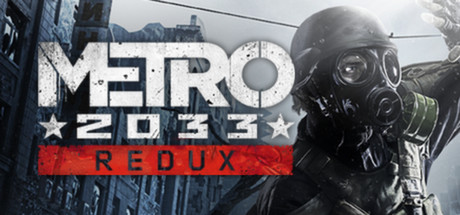
Graphics Hold Up Well: Visuals are still impressive even years later, especially in the Redux version. Many note they age gracefully and look great for a remaster.
Positive Overall Game Reception: Players generally describe the game positively, calling it fun, satisfying, and worth the money. Many praise the gameplay and cozy charm across the franchise.
Strong Artyom-Centric Narrative: The story of Artyom is engaging, tense, and memorable, with his journey and companions praised. Notes and character interactions add depth.
Compelling and Gripping Story: The narrative is often described as excellent, unique, and gripping until the end. It keeps players immersed and curious about what comes next.
Common complaints
Enemy AI behaves illogically: Enemy AI frequently makes absurd or crude decisions, especially in open combat. Bots can behave inconsistently or stupidly, reducing the challenge and immersion.
Graphics and mechanics feel outdated: Many reviewers note that the game's age is visible in its graphics and gameplay mechanics. Visuals and controls can feel dated, especially on low-end systems.
Stealth detection is inconsistent: Stealth mechanics suffer from enemies that often fail to notice the player even at close range. This makes stealth artificially easy and breaks tension, with some describing the system as crude or janky.
Gameplay lacks polish: Combat and movement often feel janky and clunky. Gameplay is considered mediocre, linear, and not the strong point of the experience.
Mediocre and forgettable story: The narrative is often described as average, relying on tropes and lacking memorability. Many find it not excellent or super memorable.
Gameplay and performance
First-person shooter with stealth: Core gameplay combines first-person shooting with stealth mechanics, allowing players to avoid enemies or engage in combat. Stealth is a viable and often preferable approach.
Post-apocalyptic Moscow metro setting: The game takes place in the Moscow metro tunnels after a devastating nuclear war, where humanity survives underground. This atmospheric setting is a defining feature emphasized across many reviews.
Resource management and scarcity: Players must carefully manage limited ammunition, gas mask filters, and medkits. Resources are scarce, making every encounter desperate and encouraging conservation.
Morality system affects endings: Moral choices throughout the game influence the ending, with a morality points system tracking good and bad deeds. Multiple endings are possible based on these decisions.
Gas mask filter mechanic: Gas mask filters deplete over time and must be replaced or monitored, creating tense moments when exposed to toxic air. The gas mask can also break and require wiping.
Frequent Game Crashes: Many players report frequent crashes during gameplay, including at critical moments such as the end of chapters or during specific missions. These crashes often result in lost progress and require rebooting or restarting sections.
Runs on Low-End PCs: The game is praised for its low system requirements and ability to run smoothly on low-end hardware, including integrated graphics and older GPUs. Many users highlight its performance on 'potato' setups.
Save Corruption and Progress Loss: Crashes often lead to save corruption or loss of progress, forcing players to replay sections. This is a significant frustration for many.
Positive Performance on Mid-Range: Many users with mid-range PCs or laptops report smooth performance, often at 60 FPS or higher, with minimal issues. This suggests decent optimization for a range of hardware.
Occasional Glitches and Bugs: Players encounter various glitches, such as environmental issues, texture flickering, sound glitches, and shader artifacts. These are generally minor but can affect the experience.
Recommendations
Strong Overall Recommendation: The vast majority of reviewers strongly recommend this game. Most express that it is definitely worth playing and praise it as a great overall experience.
Story-Driven and Immersive: The game is praised for its strong narrative and immersive experience. Players who value story-rich, moody games will find it particularly rewarding.
Buy on Sale: Many reviewers suggest waiting for a discount before purchasing. They consider the game worth buying but at a reduced price.
Ideal for Post-Apocalyptic Fans: The game is highly recommended for players who enjoy post-apocalyptic settings. Its dark, atmospheric world appeals strongly to this audience.
Great for Horror and Survival: Reviewers highlight the game as excellent for horror and survival fans. Its tense atmosphere and engaging story make it a standout in these genres.
Buying context
Community fair range: $5.00 - $20.00.
Game completion: 22.0h.
Story completion: 11.0h.
Session length: 3.0h.
Most reports describe a boring opening, often the first chapter or first third, that later opens into a flowstate or stronger engagement; some players are hooked immediately, and a few never click. For players who persist, Metro 2033 Redux tends to become fun after the early sections.
Friction: Boring opening first chapter or first third; Weak tutorial and hints; some objectives require a guide; Slow, linear pacing between big set pieces; High difficulty and clunky mechanics; Occasional bugs and technical issues; No FOV slider and limited PC options.
Unlock drivers: The game picks up after the early sections and enters a flowstate; Becoming more hooked as the slow-burn story progresses; Getting used to the high difficulty; Discovering the controls despite the lack of tutorial.
Player profiles
Atmospheric Immersion Seeker: Slow, attentive play focused on soaking in environments, following the narrative and reading collectible lore. Motivation: To be fully immersed in a haunting post-apocalyptic world and its story. Stance: buy.
Ranger Hardcore Survivalist: Ranger Hardcore / Survival mode runs, conserving bullets and filters, relying on the compass and self-taught mechanics. Motivation: Mastering punishing difficulty and scarce-resource survival for maximum tension. Stance: buy.
Series and FPS Newcomer: Learning controls and mechanics on the fly, progressing mainly for the story and setting. Motivation: Discovering the Metro franchise and its world for the first time. Stance: sale.
Platform notes
Across the six largest Windows cohorts, lower-VRAM systems report a mix of playable performance and frequent crashes or stutter, while higher-VRAM systems are mostly stable with occasional resolution or legacy optimization problems.
Windows <8GB VRAM / <16GB RAM: mixed. Some users get stable 60 FPS on low settings, but many report severe stuttering, freezes, and frequent crashes.
Windows <8GB VRAM / 16-31GB RAM: mixed. Several users see smoother Redux performance, but others report texture stutter, frame drops, and freezes when VRAM is limited.
Windows 12-15GB VRAM: mixed. Many users achieve high frame rates or 4K after tweaks, while others hit crashes, broken resolution support, and poor optimization.
Steam Deck: The Steam Deck audit shows a split experience. Positive reviews cite solid 60 fps and good controls, but many reviews report frequent crashes, freezing, and end-game instability. The native Linux build is widely described as unusable, requiring Proton workarounds, and some users need Proton Experimental or specific Proton versions. Controller configuration and Steam Cloud sync also create friction. Because frequent crashes and launch failures are present, the score falls in the Broken range despite positive reports.
Linux and Proton: Linux and Proton compatibility is mixed but mostly positive when the Windows build is run through Proton. Multiple users report stable Linux playthroughs, zero issues, and good results with Proton 9 or 10. The main recurring problem is the native Linux client, which several users call broken or unusable because of tiny windows, off-screen rendering, visual glitches, and multi-monitor issues. Users commonly recommend forcing Proton instead, sometimes with Proton 9, latest, or Experimental, and a minority mention DXVK/windowed-mode research or optimization settings. Since Proton provides a reliable fallback and there is no consensus that Linux users cannot play, the overall friction is minor-to-moderate rather than broken.
Extra review signals
Monetization: The reviews provide no direct evidence that this game sells in-game purchases, real-money loot boxes, gacha pulls, paid power, battle passes, or convenience items. Mentions of DLC, trilogy bundles, and waiting for a sale concern traditional paid content or base-price value and are excluded from the MTX score. Because the evidence indicates a single-player paid title without described predatory monetization, the score remains in the fair range.
External guides: The audit finds a strong external-data dependency around learning Metro 2033 Redux's systems, especially hidden mechanics and morality/ending requirements, which reviewers say force Google, wiki, or walkthrough use. Navigation and Alt-Tab instability are also frequent, but under the strict priority algorithm the explicit mechanics and hidden-system complaints meet Tier 3, yielding a score of 50 rather than the Tier 4 default.
Other review notes
Redux improves graphics and visuals: Many reviewers note that the Redux version significantly upgrades the graphics, lighting, and animations compared to the original. This is one of the most frequently mentioned improvements.
Based on Glukhovsky novel: The game's story is based on Dmitry Glukhovsky's novel, which is frequently cited as the source material. Some reviewers note deviations from the book.
First game in Metro series: This is widely recognized as the first entry in the Metro series and part of a trilogy. It is often recommended as a good starting point for newcomers.
Remaster of 2010 cult game: The game is a remaster of the original 2010 cult classic, rebuilt with modern technology. The Redux version is considered the definitive edition.
Uses updated Last Light engine: The Redux version runs on an updated engine from Metro: Last Light, which brings visual and mechanical improvements. This engine change is a major factor in the remaster's quality.