- Charming and lovable characters
- Engaging turn-based combat
- Comedic and wholesome story
- Grinding is a major complaint
- Dungeons are repetitive
- Combat becomes repetitive
Emotions
Archetypes
Hardware
What players like:
Common complaints:
Gameplay feedback:
Performance notes:
Recommendations:
Other player notes:
Similar games
Blend with other games 84%Battle Chasers: Nightwar
 84%Dark Rose Valkyrie
 84%BRAVELY DEFAULT FLYING FAIRY HD Remaster
 83%The Legend of Heroes: Trails in the Sky
 83%Sora no Kiseki the 1st
 83%Breath of Fire IV
 82%DRAGON QUEST® XI S: Echoes of an Elusive Age™ - Definitive Edition
 82%Rhapsody II: Ballad of the Little Princess
 82%Disgaea 5 Complete
 82%Disgaea PC
 82%Sea of Stars
 82%Disgaea 4 Complete+
Review evidence
Why players say this
Review evidence
Why players say this
Steam review verdict
Charming characters, engaging turn-based combat, and a comedic wholesome story shine, though grinding, repetitive dungeons, and repetitive combat wear thin.
What players like
Charming and lovable characters: The characters are widely described as endearing, cute, and hilarious, making players want to follow their story. Their charisma and interactions are a highlight for many.
Engaging turn-based combat: The turn-based combat system is frequently praised for its combo mechanics, strategic depth, and satisfying pacing. Elements like positioning and resource management keep players involved.
Comedic and wholesome story: The story is often characterized as funny, light-hearted, and unexpectedly wholesome. Its comedic tone and relaxed nature contribute to the game's charm.
Enjoyable and charming gameplay: Many players find the gameplay fun and engaging, often describing it as charming and entertaining. The grind is even considered hilarious and enjoyable by some.
Rich in gaming references: The game is full of references and cameos from video game history, which players find fun to recognize and appreciate.
Common complaints
Grinding is a major complaint: Many players find the game to be very grindy, requiring significant time investment to progress. This grinding is often described as repetitive and necessary for advancement.
Dungeons are repetitive: Dungeons feature repetitive layouts and the same enemies, leading to a monotonous experience. Some players note that dungeon designs are copy-pasted multiple times.
Combat becomes repetitive: The turn-based combat system is criticized for becoming repetitive, especially in the mid-game. Players note that battles often fall into a routine, with combos and EXE attacks feeling monotonous.
Fullscreen resolution problems: Players report issues with fullscreen mode at 1920x1080 resolution. Workarounds include changing the desktop resolution or editing configuration files, but these are not always effective.
Poor keyboard and mouse controls: The keyboard and mouse controls are described as janky and counterintuitive. Button prompts only show controller buttons, leaving keyboard players confused.
Gameplay and performance
Turn-Based JRPG Core: The game is frequently described as a traditional or classic JRPG with a turn-based combat system. Many reviewers emphasize the turn-based nature and Japanese RPG style.
Grinding Present: Grinding is a common element, either as a core mechanic or for leveling up and materials. Some note it is minimal, but many mention it as a major part.
Tactical Turn-Based Combat: Combat is turn-based and often involves tactical positioning or movement on a battlefield. Some compare it to Kingdom Hearts or Final Fantasy X.
Dungeon Exploration: The game features dungeons to explore, often with hidden or unlockable ones. Dungeon crawling includes random encounters and varied enemy strength.
Visual Novel Storytelling: The game presents its story in a visual novel style, with many scenes and dialogue. It is often described as a hybrid of visual novel and RPG.
Crashes and freezes during gameplay: Many players report crashes and freezes during battles, level-ups, and combat. Some fixes include running in Windows XP compatibility mode as administrator or updating the game.
FPS locked at 60: The game is locked at 60 FPS by default, and some cutscenes run at 30 FPS. Players can use mods or guides to unlock the frame rate.
Performance issues and stuttering: Some players experience FPS drops, stuttering, lag, and low frame rates, especially on AMD CPUs or without NVIDIA graphics cards.
Audio bugs and volume issues: Players report one-sided audio bugs, heavily compressed audio files, and volume problems such as loud startup sounds and voice volume tied to save files.
Runs well on low-end hardware: Some players report smooth performance with no crashes on older machines or integrated graphics like Intel HD 530, achieving 60fps.
Recommendations
Appeals to JRPG Fans: The game is highly recommended for JRPG enthusiasts, especially those who enjoy grinding and turn-based combat. Fans of RPGs with lots of content will find plenty to enjoy.
Ideal Starting Point for Neptunia: Many reviewers consider this game the best entry point for newcomers to the Neptunia series, often recommending it as the first game to play. It is also suggested for those who want to experience only one Neptunia title.
Controller Strongly Recommended: The game is best played with a controller; keyboard and mouse controls are uncomfortable. Multiple reviewers highly recommend using a gamepad for a better experience.
Generally Highly Recommended: Overall, the game receives strong recommendations from many players. It is praised as a fun and enjoyable experience.
Appeals to Anime and RPG Fans: The game is recommended for fans of both RPGs and anime. Those who love anime and video games will particularly enjoy it.
Buying context
Community fair range: $5.00 - $15.00.
Game completion: 110.0h.
Story completion: 30.0h.
Endgame: 40.0h.
The common time-to-fun profile is early friction that clicks after several chapters, once party variety, crafting, and combat systems open up; however, some players find it fun immediately and others never click.
Friction: Combat seems uninteresting at first; First half is a slog with spongy enemies and prolonged battles; Repetitive, grindy combat and dungeons; Difficulty spikes require grinding levels and resources; Heavy dialogue slows pacing; Clunky grid movement and slow combat.
Unlock drivers: More play and progress open up combat complexity; Diverse characters joining the party; Creating more weapons and items; Reaching 3-4 chapters; Altering monsters and items in dungeons makes revisits less boring; Fast level progression.
Player profiles
Grind Enthusiast Completionist: Plays in long grind sessions, often while multitasking, optimizing resource farming, using trainers or plans to accelerate progression, and chasing 100% completion. Motivation: Satisfaction from incremental power growth, clearing optional content, and completing long-term goals. Stance: buy.
Anime Moe Fanservice Fan: Plays for story and dialogue, enjoys visual-novel-like cutscenes, collects outfits and CGs, and engages with the game's self-aware comedy. Motivation: Enjoying cute anime girls, fanservice, meta humor, and character banter. Stance: buy.
JRPG Systems Veteran: Engages heavily with battle systems, switches party members, designs combos, and compares mechanics to other JRPGs. Motivation: Enjoying deep turn-based combat, character build optimization, and party customization. Stance: buy.
Platform notes
On Windows systems with under 8GB VRAM, player reports are predominantly positive, describing stable performance and no crashes or bugs. The main caveat is limited graphics and FPS-cap settings rather than technical instability.
Windows <8GB VRAM: positive. Players report the game runs well with good optimization and no crashes or bugs, though some graphics and FPS-cap options are missing.
Steam Deck: The Steam Deck experience is mixed but contains clear Broken-tier signals. Users report random crashes during boss fights and a complete failure to launch, along with controller and input friction and an external launcher and language workaround. Positive reports exist, including a user calling it perfect on Deck and another reporting no serious bugs. Under the scoring criteria, the presence of frequent crashes and launch failure places the game in the 70-100 Broken range.
Linux and Proton: The game generally works well on Linux/Proton, with a Platinum Proton rating and positive reports on Steam Deck. However, some users report minor friction such as controller not working out of the box and isolated random crashes on Steam Deck. Overall, Linux compatibility is functional with minor tweaks.
Extra review signals
Monetization: The audit found direct evidence of paid DLC monetization: reviews report that high levels and other content are locked behind a paywall, and that DLC is used to reduce grind and ease completion. These are aggressive paid-content and convenience tactics. There is no evidence of real-money gacha, loot boxes, currency obfuscation, or a purely cosmetic cash shop, so the score remains in the aggressive range rather than the casino/predatory range.
External guides: The review set shows a clear external-data dependency: users rely on wikis and spreadsheets for drop and farming locations, crafting and system tables, inventory planning, and missable content. Under the strict priority rubric, the explicit grinding and drop-location complaint triggers Tier 1, so the final Wiki Tax score is 100.
Other review notes
Japanese and English voice options: Players appreciate the ability to choose between Japanese and English voice acting. The Japanese dub features famous voice actresses.
DLC available and often essential: The game has several DLCs, some of which are considered essential for 100% completion or to alleviate grinding. DLC is sold at a cheap price on Steam.
Neptunia series entry point: This game is part of the Neptunia franchise and is often recommended as a starting point for newcomers. It is a mainline title with sequels and spin-offs.
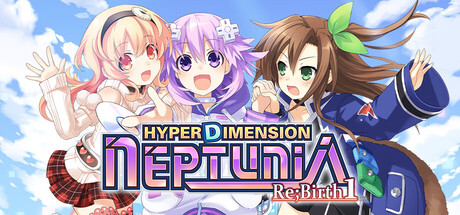
Remake of original Hyperdimension Neptunia: The game is a full remake of the original Hyperdimension Neptunia, rebuilt with the engine and gameplay of Hyperdimension Neptunia Victory. It is not a simple port but a ground-up overhaul.
PS Vita and PC port: The game is based on the PS Vita remake and was later ported to PC. It is not very demanding on PC hardware.