- Tactical deck-building gameplay
- Beautiful and engaging story
- Stunning art direction
- Excessive grinding required
- Presence of bugs and issues
- High difficulty level

Emotions
Archetypes
What players like:
Common complaints:
Gameplay feedback:
Performance notes:
Recommendations:
Other player notes:
Similar games
Blend with other games

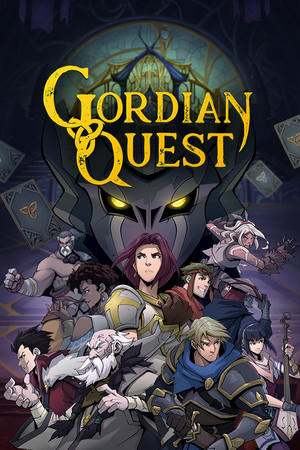

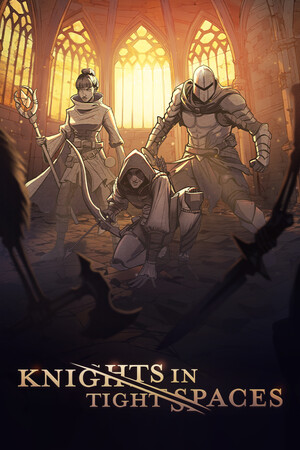


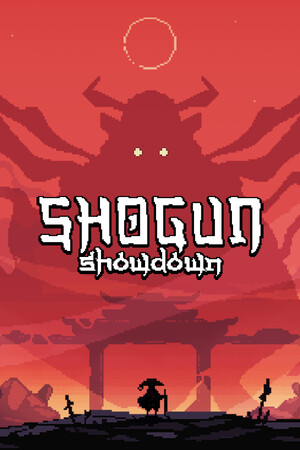




Review evidence
Why players say this
Review evidence
Why players say this
What players like
Tactical deck-building gameplay: The game combines tactical, turn-based combat with deck-building mechanics, offering a unique and challenging experience. Players enjoy the strategic depth and variety in gameplay.
Beautiful and engaging story: The game features a beautifully crafted story that is engaging, emotional, and well-written. Players appreciate the narrative's depth and its ability to evoke strong emotions, particularly around themes of loss and grief.
Stunning art direction: The game is praised for its striking and distinct art style, which includes beautiful pixel art and a unique visual design. The art direction contributes significantly to the game's atmosphere and immersion.
Challenging but fair combat: The combat system is challenging yet fair, offering a rewarding experience for players who enjoy strategic depth and tactical gameplay.
Unique and immersive atmosphere: The game creates a unique and immersive atmosphere through its art style, music, and sound design. Players appreciate the haunting and otherworldly feel of the game.
Common complaints
Excessive grinding required: Players frequently mention that the game feels grindy, especially when it comes to progression, unlocking new cards, and entering new regions. This repetitive aspect can make the game feel tedious.
Presence of bugs and issues: Various bugs are reported, including controller and audio bugs, mission task bugs, and quest system issues. These bugs detract from the overall gaming experience.
High difficulty level: The game is often described as too hard, especially in the beginning. The difficulty curve is noted to spike quickly, which can be demoralizing for some players.
Lack of quality-of-life features: The game lacks several quality-of-life features such as an undo button for movement, New Game+ mode, and save system. Additionally, there are issues with text readability due to low contrast.
Balance and design issues: The game is criticized for bad game design and unbalanced gameplay. This includes overpowered cards, lack of card synergy, and balance issues that affect the overall experience.
Gameplay and performance
Turn-based grid combat: Combat is turn-based and grid-based, requiring tactical planning and strategic positioning, similar to chess-like mechanics.
Complex deckbuilding mechanics: The game features a deep and intricate deckbuilding system with various mechanics and card restrictions, allowing for strategic and tactical gameplay.
Region-specific mechanics: Each region in the game has unique cards and mechanics, encouraging players to build decks suited to each area's specific strategies.
Soulslike elements: The game incorporates Soulslike elements such as challenging combat, death penalties, checkpoints, and a die-and-retry mechanics.
Open world exploration: Players can explore an open world with secrets, hidden objectives, and different regions, each offering unique visual styles and mechanics.
Game stability issues: The game suffers from various stability issues, including crashes and bugs. Specific mentions include crashes during certain attacks and general game freezing.
Steam Deck performance issues: There are mixed reviews regarding Steam Deck performance. While some players report great controller support and smooth gameplay, others experience performance issues and control mapping problems.
Lack of graphics settings: Players have noted the absence of graphics and video settings, which limits customization options for visual performance.
Audio problems: Audio issues are prevalent, with players reporting garbled audio, audio hiccups, and imbalances that degrade the overall experience.
Input device problems: Several players have reported issues with keyboard inputs, touchpad responsiveness, and control mapping, affecting the overall gameplay experience.
Recommendations
Unique and atmospheric experience: The game is praised for its unique blend of genres, atmospheric gameplay, and emotionally rich story, making it a standout experience.
Recommended for deck-building fans: The game is highly recommended for those who enjoy deck-building and tactical combat. It offers a compelling experience with grid-based combat and a moody atmosphere.
Try the demo first: Several reviews suggest trying the demo before purchasing the full game to get a sense of its mechanics and style.
Similar to popular games: The game is recommended for fans of other popular games like Slay the Spire, Into the Breach, and Inscryption, indicating a similar gameplay experience.
Specific audience recommendations: The game is recommended for specific audiences such as neurodivergent players, Steam Deck owners, and those who enjoy complex mechanics.
Buying context
Community fair range: $10.00 - $20.00.
Game completion: 27.0h.
Story completion: 20.0h.
The game has a steep learning curve with an initial hour of confusion and frustration due to the lack of a tutorial, but it becomes engaging and enjoyable once players start upgrading their decks and exploring different regions.
Reported time to anchor: 1h.
Friction: No tutorial; Early-game difficulty spikes; Confusing mechanics.
Unlock drivers: Learning game mechanics; Upgrading decks; Exploring regions.
Player profiles
Deckbuilding Enthusiast: Strategic and combo-driven, focusing on building and optimizing decks. Motivation: Engaging deckbuilding mechanics and challenging gameplay. Stance: buy.
Souls-like Veteran: Strategic and adaptive, focusing on overcoming difficult encounters and optimizing builds. Motivation: Challenging and rewarding gameplay with a sense of accomplishment. Stance: buy.
Casual Explorer: Exploratory and casual, focusing on unlocking new content and enjoying the game's atmosphere. Motivation: Accessible and satisfying gameplay with a sense of progression. Stance: sale.
Platform notes
Steam Deck: The analysis of user feedback reveals a mix of positive and negative experiences with the game on Steam Deck. While many users appreciate the game's compatibility and performance on the Steam Deck, significant issues related to battery drain, performance, controller and keyboard input, text readability, and stability were reported. These issues vary in severity but collectively indicate areas for improvement to enhance the overall user experience.
Linux and Proton: The game generally receives positive feedback for its compatibility and performance on the Steam Deck. However, there are some reported issues with the control scheme, specifically with mapping certain keys. Overall, the game seems to run well on the Steam Deck, but there are minor issues that could affect the user experience.
Other review notes
Early Access Release Suggested: Players suggest that the game should have been released as an early access title.
Sandbox Mode Request: Players have expressed interest in having a sandbox mode added to the game.
Roguelike/Endless Mode and Custom DLC: There are suggestions for adding a roguelike or endless mode, as well as the possibility for custom DLC.
Blue Light Filter Needed: There is a suggestion for adding a blue light filter specifically for areas with white snow to reduce eye strain.
Korean Language Patch Available: Players have noted that a Korean language patch is available for the game.