- Fun with friends, immersive horror atmosphere.
- Unique, appealing art style enhances experience.
- Active developers constantly improve the game.
- Unfair difficulty and enemy AI frustrate players.
- Low player count hurts multiplayer experience.
- Poor tutorials, unclear game mechanics.
What players like:
Common complaints:
Gameplay feedback:
Performance notes:
Recommendations:
Other player notes:
Similar games
Blend with other games





Review evidence
Why players say this
Review evidence
Why players say this
What players like
Fun solo or with friends: The game is enjoyable both solo and with friends, with many reviewers noting that playing with friends enhances the fun through emergent gameplay and collaboration. The game supports a large number of players, making it suitable for both small and large groups.
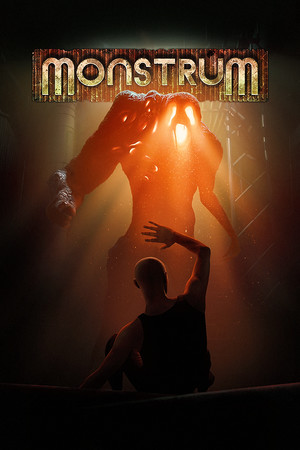
Excellent, immersive horror atmosphere: The game excels in creating a tense, spooky, and immersive atmosphere through its sound design, visuals, and level design. This atmosphere is consistently praised as a standout feature, contributing significantly to the overall enjoyment and horror experience.
Unique, appealing art style: The game features a unique and appealing art style, often described as PSX-style or retro, which contributes to its gritty and immersive atmosphere. The visual and graphic design is frequently praised, with some reviewers drawing comparisons to classic horror games like Silent Hill and Cry of Fear.
Active, responsive development team: The developers are actively improving the game through frequent updates and are responsive to player feedback. These updates include quality of life improvements, balancing changes, and new content, demonstrating a commitment to continuous improvement and community engagement.
Satisfying, unlimited looting system: The game features a satisfying looting system that allows players to collect unlimited amounts of loot without encumbrance. This encourages exploration and a 'loot goblin' playstyle, making the looting aspect more enjoyable and dynamic compared to similar games.
Common complaints
Unfair difficulty and enemy AI: The game is criticized for its high difficulty, unfair enemy AI, and balancing issues. Enemies are often too aggressive, have excessive detection ranges, and can kill players instantly, leading to frustration. Some enemies also exhibit buggy behavior, such as clipping through objects or not losing aggro.
Low player count hinders multiplayer: The game suffers from a low player count, making it difficult to find online lobbies and play with others. Some reviewers report finding no active lobbies, even during peak hours, suggesting a dwindling player base.
Poor in-game explanations/tutorials: The game lacks clear explanations of its mechanics and how to interact with entities, making it difficult for new players to understand and progress. A proper manual or monster index is needed to improve the initial player experience.
Compared unfavorably to 'Lethal Company': The game is often compared unfavorably to 'Lethal Company,' citing issues such as less content, lower polish, disorienting maps, and one-dimensional enemies. The high player count can also make the game difficult for smaller groups.
Overpriced for current content: Many reviewers feel the game is overpriced for the amount of content it offers, especially when compared to similar games. The in-game economy is also criticized as feeling like a 'ripoff'.
Gameplay and performance
Lethal Company-like, hide-focused: The game shares similarities with Lethal Company, featuring a loop of entering a location, collecting scrap, and trying to survive. However, this game emphasizes hiding over combat and has unique elements like door-slamming and a simpler quota system. Some reviewers feel the game is too similar to Lethal Company.
Stealth-focused gameplay, procedural maps: The core gameplay revolves around stealth and evasion in procedurally generated environments. Players must avoid enemies by hiding, breaking line of sight, and using doors defensively, as there are limited combat options. The effectiveness of stealth allows for both fast-paced and slow-paced approaches.
Limited tool slots, unlimited scrap: Players have a limited number of inventory slots for tools, but can collect unlimited scrap. This removes the need to return to the metro unless chased by a mob. Transferring items can be difficult, creating tension.
Varied areas and game modes: The game features multiple areas with increasing difficulty and hazards, along with different game modes. These modes include a standard debt-collection mode, a harder nightmare mode, and an escape mode focused on finding an elevator. This variety aims to keep the gameplay experience fresh.
Debt repayment, scrap economy: The game's objective is to repay debt by selling scrap, which requires earning money to purchase essential equipment. Scrap quantity decreases with repeated visits to the same location, incentivizing exploration of different destinations. The scrap selling process is streamlined.
Game plagued by bugs: The game suffers from bugs. Some players have noted bugs that impact the soundscape, which is particularly detrimental for a stealth-focused game where audio cues are important.
Recommendations
Worth it, especially on sale: Many reviewers find the game worth its price, especially when on sale, citing the amount of content and the active development team. However, some suggest waiting for a discount to get better value, while others feel it's not worth the full price, especially compared to similar games with more content.
Early access, expect updates: The game is still in active development, with frequent updates and bug fixes. Some reviewers suggest waiting for more content and a full release before purchasing, especially if you prefer a complete and polished experience. Others recommend purchasing to support the developers and witness the game's growth.
High potential, needs content: Many reviewers express excitement about the game's potential and look forward to future updates and content additions. They believe that with more content, such as new enemies and locations, the game could become something truly special and unique.
Good for horror/extraction fans: The game is recommended for players who enjoy horror, stealth, and extraction-style gameplay. It offers a different experience from other games in the genre, with a focus on intense situations, quick thinking, and challenging monster encounters.
Learning curve, needs guidance: The game has a learning curve, and reviewers suggest watching videos, playing with friends, and using voice activation to improve the experience. Thinking on your feet is also helpful.
Other review notes
Small development team: The game is developed by a small team of three people who handcrafted every asset and built their own engine. This highlights the dedication and effort put into the game's creation, potentially contributing to its unique style and feel.
Unexplained game mechanics: The game features mechanics that are not explicitly explained to the player, potentially leading to confusion. One reviewer specifically noted that the method for dropping items is easily missed, suggesting a need for better in-game tutorials or clearer instructions.
Low system requirements: The game has a small file size and can run on low-end PCs. This makes the game accessible to a wider audience, including those with older or less powerful hardware.
Scrap lost upon death: Players lose their collected scrap upon death, even if the scrap is stored on the train. This can be a frustrating experience, potentially discouraging risky exploration or creating a sense of unfairness.
Monsters open doors: Monsters can open elevator and train doors if players close them too close to the monster. This behavior adds an element of challenge and realism to the gameplay, forcing players to be strategic about their movements and door usage.