- Engaging and fun gameplay experience.
- Combines social deception with action mechanics.
- Strong multiplayer, essential for friend groups.
- Suffers from critical technical issues.
- Rampant hacking due to no anti-cheat.
- Limited content and developer neglect persist.
Emotions
What players like:
Common complaints:
Gameplay feedback:
Performance notes:
Recommendations:
Other player notes:
Similar games
Blend with other games



Review evidence
Why players say this
Review evidence
Why players say this
What players like
Engaging Gameplay & Fun: Players consistently praise the game as fun, enjoyable, and addictive, offering high replay value for its reasonable price. They highlight its fast-paced, chaotic nature, easy learning curve, and overall polished feel, making for a dopamine-inducing experience.
Strong Multiplayer & Community: The game shines as a multiplayer experience, especially with friends, fostering collaborative and competitive interactions. Players appreciate the active, welcoming community in public lobbies, making it easy to meet new people and even form lasting friendships, despite the game humorously testing those bonds with betrayal.
Superior to Among Us: Many players view this game as a significantly improved and more immersive alternative to Among Us. They frequently cite its 3D environment, enhanced mechanics like interactive tasks and weapons, voice chat integration, and more mature player base as key differentiators that elevate the social deception genre.
Intense Social Deception & Betrayal: A core draw of the game is its masterfully crafted social deduction elements, where players navigate a dynamic of deep mistrust and thrilling betrayal. The ability to deceive, manipulate, and even violently engage with others, regardless of role, creates a unique blend of tension and hilarious, memorable moments.
Well-Designed Core Mechanics: Specific gameplay mechanics are consistently praised for enhancing the overall experience. The proximity voice chat adds layers of paranoia and immersion, while interactive tasks are seen as fun, creative, and more engaging than simple button presses. The balanced Dissident/Employee roles contribute to strategic depth, and the excellent audio design further immerses players.
Common complaints
Developer Neglect & Poor Monetization: Players perceive a lack of genuine developer care, citing infrequent, low-quality updates that prioritize minor cosmetic additions over essential bug fixes, core gameplay improvements, or new content. Aggressive and overpriced monetization, including paywalled basic character options (like gender), further frustrates the community.
Critical Technical Issues Persist: Players report widespread and persistent technical problems, including frequent game crashes, severe lag, poor optimization, and numerous bugs. These issues often make the game unplayable, especially after updates, significantly hindering the overall user experience.
Limited Content & Repetitive Gameplay: The game suffers from a significant lack of new maps, game modes, and varied tasks, leading to a quickly repetitive and boring gameplay loop. This scarcity of content, combined with perceived design flaws such as weapon mechanics enabling griefing, limits long-term player engagement and replayability.
Lost Genre Identity & Social Dependence: Many players feel the game has strayed from its initial social deduction focus, often resembling a chaotic shooter or task simulator, leading to unfavorable comparisons with games like Among Us. Enjoyment is heavily dependent on playing with a pre-made group of friends, as public matches with strangers are frequently problematic and unrewarding.
Rampant Hacking & No Anti-Cheat: The game is plagued by rampant hacking, with cheaters disrupting lobbies, causing game crashes, and exploiting various aspects of gameplay. Players express strong dissatisfaction with the perceived lack of an effective anti-cheat system and developer inaction to address this critical issue.
Gameplay and performance
Deception-based social deduction: Players frequently compare the game to a 3D, first-person version of Among Us, emphasizing its core mechanics of betrayal, lying, and constant suspicion among players. Unlike Among Us, anyone can kill anyone, blurring the lines between roles and fostering a deep sense of distrust, even among allies.
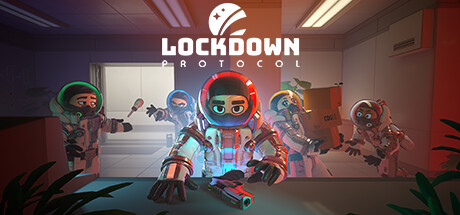
Action-packed, weapon-based gameplay: The game offers a first-person, action-oriented experience with a strong focus on combat and player-vs-player interactions within a high-tech facility. Players utilize various weapons like knives, guns, and C4, engaging in chaotic interactions including running, jumping, and shooting, enhanced by proximity voice chat.
Task completion is key: A core objective involves players completing maintenance and survival tasks to win, rather than solely eliminating traitors. There's a strong desire among players for more diverse, unique, and complex tasks, potentially across new maps, to enhance replayability and engagement.
Easy to learn, hard to master: Many players find the game's basic mechanics intuitive and easy to grasp initially. However, mastering the intricate deception, combat strategies, and understanding all tasks takes significant practice and experience.
Dissident role needs balance: Dissidents currently possess few inherent advantages beyond the element of surprise, making their role challenging depending on the intelligence of players on the server. There is a perceived need for more distinct sabotage mechanics or other opportunities to provide dissidents with a more balanced and engaging experience.
Inconsistent Performance Experiences: Performance varies significantly among players. While some achieve high FPS on "potato PCs," others face considerable lag, low frame rates even on minimum settings, or specific performance dips like high CPU usage and frame drops when playing as the killer or on laptops.
Variable Bug Experiences: Feedback on bugs is mixed; some players encounter minimal to no serious glitches, noting only minor, isolated incidents. However, others report the game as highly buggy, with specific game-breaking issues such as players flying under the map.
Frequent Crashes & Fatal Errors: Many players experience critical stability issues, including constant game crashes without clear reasons, fatal errors during gameplay or joining, and server crashes. Some crashes are even attributed to hacker activity, and stability appears to have worsened after updates for some.
Modest Game File Size: The game is appreciated for its relatively small or "old fashioned" file size. This makes it more accessible and manageable for players with limited storage.
Significant Network Latency: Players frequently report severe network issues, characterized by extremely high server pings (up to 9999 ms) and general game lag or stuttering. These problems persist even for users with robust internet connections, indicating potential server-side or netcode issues.
Recommendations
Polarized overall game reception.: Many players recommend the game for its fun and potential, especially when played with friends. However, a significant portion advises against purchase due to current issues, price, or feeling it's incomplete, indicating a highly polarized player base.
Friends essential for enjoyment.: The game's enjoyment is heavily reliant on playing with a pre-made group of friends, ideally 4 or more. Many reviewers strongly advise against solo play or public lobbies, as the experience is significantly better with trusted teammates.
Urgent anti-cheat needed.: Players are highly frustrated with hackers and cheaters, leading many to recommend waiting for robust anti-cheat implementation or a major game overhaul. The presence of these issues significantly impacts player satisfaction and has even led to refunds.
Appeals to social deduction fans.: The game is highly recommended for fans of social deduction games, particularly those who enjoy titles like Among Us or Trouble in Terrorist Town. It offers a unique and more intense take on deception, communication, and real-time action within the genre.
Price and purchase timing.: Reviewers often advise purchasing the game on sale or waiting for future updates, suggesting the current price might not always align with its perceived value or unfinished state. Sentiment is mixed on whether the standard $10 price is fair.
Other review notes
Desire for new content: Players are eagerly anticipating more content, especially new maps, tasks, and customization options. There's a strong belief in the game's potential, and players hope developers continue to actively work on improvements and additions, with mod and workshop support frequently requested to expand replayability.
Limited single-session playtime: Players note that typical game sessions can feel short, with some suggesting the game is generally 'okay' but might not hold attention for extended periods. This points to potential content depth or replayability issues for individual sessions.
Appeals to all ages: The game is seen as suitable for a wide audience, including children, teenagers, and adults. This broad appeal indicates a family-friendly or universally accessible design, making it enjoyable across different demographics.
Discord ban issues: A player reported being wrongfully banned from the Discord server after a single message, which ultimately led to their group moving on from the game. This isolated but specific incident highlights a potential issue with community management.
Small developer team: Players acknowledge that the game is developed by a small team of three people. This understanding often leads to requests for patience regarding updates and fixes, while also highlighting the impact of their efforts.