- Engaging social deduction horror gameplay
- Diverse antagonist roles and mechanics
- Extreme player toxicity mars experience
- Low player count, matchmaking issues
- Frequent crashes and bugs reported
- Unfair early eliminations common

Emotions
What players like:
Common complaints:
Gameplay feedback:
Performance notes:
Recommendations:
Other player notes:
Similar games
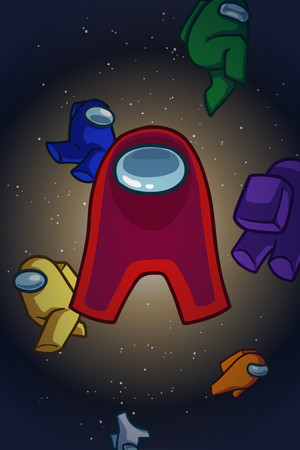
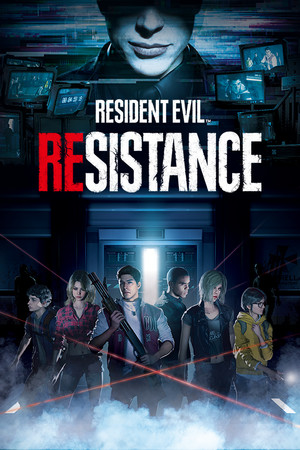
Blend with other games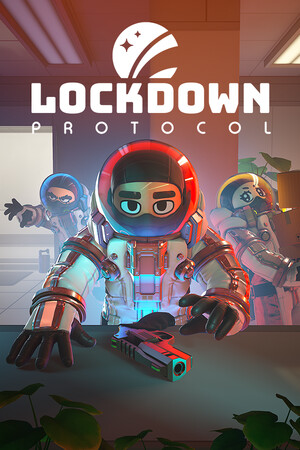


Review evidence
Why players say this
Review evidence
Why players say this
What players like
Engaging Social Gameplay: The game is highly enjoyable, especially when played with friends, leading to chaotic and memorable social interactions. It fosters unique stories and tests friendships through deception and teamwork.
Improvements Over Deceit 1: Deceit 2 is widely considered a substantial upgrade from its predecessor, featuring improved graphics, refined mechanics, and greater variety. It addresses many issues from the first game, offering a more strategic and engaging experience.
Deep Varied Gameplay Mechanics: The game features refined and fluid mechanics, including a wider array of roles, strategic player interactions, and varied tasks. This depth in deduction, deception, and item acquisition ensures high replayability and strategic complexity.
Positive Community & Chat: The community is generally less toxic than other online games, with developers actively implementing features to manage negative behavior. The realistic proximity voice chat significantly enhances social interaction and immersion, fostering friendly encounters.
Active Developer Support: Developers are highly responsive, frequently releasing updates, adding new content, and quickly addressing bugs and community feedback. This ongoing support has significantly polished the game and improved its free-to-play experience.
Common complaints
Extreme Player Toxicity: The game suffers from an overwhelmingly toxic community, characterized by widespread use of racial and sexist slurs, constant insults, harassment, and general disruptive behavior like trolling, griefing, and intentional sabotage. This significantly degrades the public match experience.
Low Player Count & Matchmaking: The game suffers from a critically low online player count, leading to extremely long matchmaking queues, often making it impossible to find a match. This issue is exacerbated in specific regions and contributes to the game feeling 'dead.'
Unfair Early Eliminations: Players, especially new or solo players, are frequently voted out, kicked, or killed at the very beginning of matches for no logical reason, often based on baseless accusations, lack of a microphone, or group teaming, making gameplay frustratingly short and unrewarding.
Frequent Crashes & Bugs: The game is plagued by constant crashes, freezing, and numerous bugs, often preventing players from launching the game, loading into matches, or maintaining stable performance. This includes long loading screens and poor optimization.
Inferior to Deceit 1: Many players feel the sequel is a significant downgrade from the original Deceit, lacking its simplicity, depth, and fun features. They believe developers should have updated the first game instead of releasing a less refined and more confusing sequel.
Gameplay and performance
Diverse Antagonist Roles: The game features multiple antagonist roles like Infected, Terrors, and Cursed, each with unique objectives such as deception, sabotage, and hunting. These roles require players to blend in, transform, and utilize special abilities like silencing to eliminate innocents.
Intense Social Deduction Horror: The game delivers a strong social deduction experience combined with horror elements, fostering an atmosphere of paranoia and distrust. Players engage in detective work, deception, and manipulation, constantly suspecting others and facing betrayal.
Among Us/Werewolf Hybrid: Players frequently describe the game as a blend of social deduction games like Among Us and Werewolf, often incorporating horror survival elements. This comparison helps new players quickly grasp the core gameplay loop of deception and survival.
Steep Learning Curve: The game is generally easy to learn the basics but difficult to master, with players initially finding it confusing. Understanding all roles, mechanics, and strategies requires significant time and experience.
Deceit 2 Gameplay Overhaul: Deceit 2 significantly overhauls the original game, introducing more complexity, new roles, monsters, and maps. It expands to a 9-player experience, offering a more chaotic and fleshed-out social deduction horror game.
Poor Performance Optimization: The game suffers from significant performance issues, including low and inconsistent FPS, even on powerful hardware. Users report long loading times and the game consuming excessive system resources, leading to a poor gameplay experience despite simple graphics.
High System Requirements: The game is perceived to have unreasonably high system requirements, demanding powerful PCs and significant resources, even for its graphical simplicity. This leads to performance issues for users who meet or exceed the stated requirements.
Persistent Game Bugs: Users encounter specific, disruptive bugs such as persistent, un-muting sound effects and complete audio cut-outs at the start of matches. Some players even report needing to reinstall the game daily to resolve issues.
Server & Network Lag: Players experience severe server-side lag, impacting gameplay, especially during critical moments. There are also concerns about server availability and connectivity issues, with some users unable to connect even with VPNs.
Patch Impact Limited: While developers are noted for releasing frequent patches, a recent performance patch did not significantly improve the experience for mid-to-high-end systems. This suggests that current optimization efforts are not fully addressing core performance issues.
Recommendations
Play With Friends Essential: Players overwhelmingly recommend playing the game with a group of friends, as this is considered essential for an enjoyable experience. The game is often deemed not worth playing or significantly less fun when playing solo or with random players.
Preference for Deceit 1: A significant portion of the player base expresses a strong preference for the original Deceit game, often recommending it over the sequel. Reasons cited include Deceit 1 having better gameplay, being free, or having a more active player base.
Mixed Player Reception: The game receives highly polarized reviews, with a significant number of general recommendations or strong condemnations. Many of these opinions lack specific details or context, and some contain hyperbolic language, suggesting emotional responses or potential review bombing.
Appeals to Social Deduction: The game is recommended for players who enjoy social deduction, horror, or 'Werewolf'-style games. It particularly appeals to fans of titles like Among Us, emphasizing its blend of strategy, deception, and suspense.
Future Updates Needed: Players consistently highlight the need for ongoing developer support, including frequent updates, bug fixes, and better balancing. Many feel the game requires further polish and additional content to provide a complete and satisfying experience.
Other review notes
Game has potential: Reviewers acknowledge the game's potential to be good and have deep gameplay, but consistently state it needs significant work and updates to reach that potential. They express hope for future improvements from developers.
Game became F2P: The game transitioned from a paid title to free-to-play, which was noted by many players, especially those who initially purchased it. This change is generally seen as a positive for accessibility, though some original buyers felt slighted.
Needs ranked mode: Players strongly request the implementation of a ranked matchmaking system, often as a way to improve competitive play and potentially reduce encounters with trolls.
Needs more maps: Players express a strong desire for new maps to be added to the game, suggesting a map selection vote phase. This indicates a need for content variety and freshness.
Suitable for all ages: The game is described as suitable for a wide range of ages, from teens to adults, indicating its accessibility and general appeal.