- Strong narrative and lore
- Immersive atmosphere and visuals
- Engaging interactivity
- Puzzles are frustrating and buggy
- Ineffective hint system
- Lack of clarity and guidance
Emotions
What players like:
Common complaints:
Gameplay feedback:
Performance notes:
Recommendations:
Other player notes:
Similar games
Blend with other games




Review evidence
Why players say this
Review evidence
Why players say this
What players like
Strong Narrative & Lore: The storyline, particularly its connection to Nikola Tesla, is well-received. Players appreciate the engaging narrative, the way flashbacks and memory vignettes provide context, and how the ending effectively wraps up the story while leaving room for sequels.
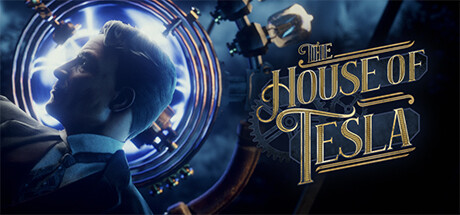
Immersive Atmosphere & Visuals: Players consistently praise the game's strong, immersive atmosphere, detailed graphics, and polished visuals. The Teslapunk aesthetic, environmental sounds, and overall artistic direction contribute significantly to a compelling and enjoyable experience.
Engaging Interactivity: Players enjoy the tactile and physical interactivity with in-game objects and contraptions. This hands-on approach adds depth to exploration and encourages curiosity, making the puzzle-solving experience more engaging.
Pleasant Soundtrack: The game's soundtrack is described as atmospheric, vibey, and pleasant. It enhances immersion without being distracting or boring, contributing positively to the overall experience.
Developer Sincerity Noted: Players perceive the game as a passion project made with care and attention to detail, reflecting the developers' sincerity in their work.
Common complaints
Puzzles are frustrating and buggy: Many players found the puzzles to be unintuitive, obtuse, and lacking context, leading to frustration. Several reports indicate puzzles glitching or solving themselves, suggesting a lack of testing and bug treatment. Some puzzles are also described as tedious or too similar.
Hint system is ineffective: The hint system is widely criticized for being unhelpful, incomprehensible, or even condescending. Players often found themselves unable to progress without external walkthroughs, indicating the in-game hints are insufficient.
Lack of clarity and guidance: The game often fails to clearly communicate puzzle relevance, interactive elements, or progress towards solutions. This lack of guidance contributes to player confusion and frustration, making it difficult to discern what to do next.
Issues with game progression: Several players encountered critical bugs preventing progression, such as a missing stamp paper. Additionally, the lack of a chapter select after credits makes achievement cleanup difficult, and chapter breaks are too far apart for replaying segments.
Last chapter has significant flaws: The final chapter is specifically highlighted as having the biggest flaws, including poor hints and a lack of utilization of key game mechanics like electricity viewing. This suggests a drop in quality towards the end of the game.
Gameplay and performance
Varied puzzle design: Puzzles range from classic combinations and mini-games to scene restoration, offering a medium to hard difficulty. Players should focus on the narrative and exploration rather than just the puzzles.
Steam Deck compatibility: The game functions well on Steam Deck, supporting touchscreen input. Players can also use the left stick as a virtual cursor for navigation.
Clear interactive indicators: Interactive elements are clearly marked by changes in the mouse pointer. A magnifying glass indicates areas for exploration, while a hand icon signifies items that can be picked up.
Optimized performance on Steam Deck: Players report excellent performance on the Steam Deck, with smooth gameplay and good battery life, allowing for extended play sessions.
Recommendations
Ideal for puzzle enthusiasts: The game is highly recommended for players who enjoy thoughtful puzzle adventures, mechanical logic, and escape room-style challenges. It caters to fans of mystery games and those who appreciate a unique approach to storytelling and problem-solving.
Positive overall experience: Despite some minor friction points, players generally found the game to be a fantastic and satisfying experience. Many expressed happiness and anticipation for completing the game, appreciating the effort put into its creation.
Mixed replayability and plot engagement: Some players indicated they would likely play through the game once and not revisit it, suggesting limited replay value. Additionally, the plot might not be compelling enough for all players, with some suggesting it can be overlooked.
Consider waiting for discount: One player suggested waiting for a discount before purchasing, implying that the current price point might be a barrier for some, or that the value proposition is better at a reduced cost.
Other review notes
Puzzle design and mechanics: The game is heavily puzzle-focused, with many mechanisms hidden throughout. Players appreciate the 'tinkering' feel of some puzzles, but some wish for more item searches and fewer pure puzzles, and suggest larger judgment areas for puzzle solutions.
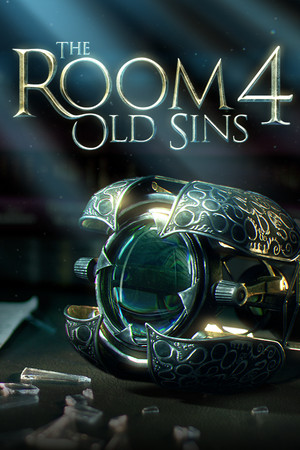
Comparison to other games: Players compare the game to other titles in the genre, including the developer's previous works and 'The Room' series, indicating a desire for similar quality and innovation. Some feel it doesn't quite live up to the studio's best.
Game length and pacing: Players report varying playtimes, from 10.5 to 25 hours, suggesting a good amount of content for the genre. Some recommend playing in shorter sessions to avoid puzzle fatigue, indicating a dense puzzle experience.
Anticipation and future interest: Players had high hopes and waited for this game, and some express a desire for more installments in the series.
Accessibility and player experience: Players offer advice for others, such as listening for audio cues and taking breaks when stuck. There's also a note about node-to-node traversal for motion-sensitive players.