- Excellent mechanical puzzles and engaging gameplay
- Captivating story and stunning visuals
- Effective graduated hint system
- Inferior to previous installments in the series
- Excessive unskippable cutscenes hinder pacing
- Poor interaction and pixel hunting issues
Emotions
What players like:
Common complaints:
Gameplay feedback:
Performance notes:
Recommendations:
Other player notes:
Similar games
Blend with other games




Review evidence
Why players say this
Review evidence
Why players say this
What players like
Excellent Puzzles and Gameplay: Players consistently praise the game's puzzles for being clever, intuitive, challenging yet satisfying, and perfectly balanced. The puzzles are well-integrated into the story, offering a rewarding and mentally stimulating experience that avoids frustration.
Captivating Story and Narrative: The game features an engaging, well-constructed, and coherent story that keeps players interested from beginning to end. The narrative is richer, more fleshed out, and effectively delivered through increased animations and voice acting.
Stunning Visuals and Atmosphere: The game is lauded for its breathtaking art design, richly detailed environments, and beautiful graphics. The immersive atmosphere, combined with intricate mechanisms and ornate decorations, creates a visually delightful and engaging experience.
Effective Hint System: The in-game hint system is well-designed, providing progressive guidance without spoiling solutions. It ensures players can always make progress, offering just enough of a nudge when stuck, which is highly appreciated.
Immersive Audio Experience: The game's music and sound design are subtle, pleasant, and evocative, effectively complementing the atmosphere and enhancing key moments. It adds a sense of mystery and tension without being overbearing.
Common complaints
Inferior to Previous Installments: A significant number of players felt this game was a downgrade from the first two in the series, citing less engaging gameplay, poorer puzzle design, and a general lack of polish. It often felt like a rushed or less inspired continuation.
Excessive and Unskippable Cutscenes: Players were frustrated by the abundance of long, unskippable cutscenes and dialogues, which disrupted the game's pacing and detracted from the puzzle-solving experience. Animations in these scenes were also criticized for being stiff and unnatural.
Poor Interaction and Pixel Hunting: Many players struggled with unintuitive object interaction, inconsistent click zones, and frequent 'pixel hunting' to find interactable items. This often led to frustration and a reliance on hints, as crucial elements blended into the background.
Technical Issues and Performance: Players experienced various technical problems, including game-breaking bugs, crashes, blue screens, and significant FPS drops, particularly in later chapters. These issues severely impacted the playability and overall enjoyment of the game.
Tedious and Repetitive Gameplay: The overall gameplay experience was often described as tedious, repetitive, and feeling like 'busywork.' The game's progression felt mechanical, lacking genuine complexity and becoming exhausting over time.
Gameplay and performance
Focus on Mechanical Puzzles: The game is primarily a puzzle game, heavily featuring mechanical puzzles and escape room-like experiences. These puzzles often involve interacting with intricate devices, finding parts, and activating machinery, with a mix of logical and trial-and-error solutions.
Graduated Hint System: The game includes a comprehensive hint system that provides assistance from subtle nudges to full solutions, appearing after a player is stuck for a period. This system allows players to complete the game without external guides, though some players choose to disable it.
Moderate Difficulty & Length: Players generally found the game's difficulty to be moderate, with some challenging puzzles but overall easier than previous installments. The game can typically be completed in about 7 hours, with individual chapters varying in length.
Time Travel Mechanics: A core gameplay mechanic involves time travel, allowing players to manipulate environments in the past to affect the present. This is often facilitated by a device like the Oculus Perpetua, which also grants X-ray vision.
Linear Point-and-Click Gameplay: The game is a linear, first-person point-and-click adventure with limited movement freedom within scenes. Interactions are primarily mouse or touch-based, involving clicking active points, dragging, and swiping for various actions.
Game is largely bug-free: Players consistently report a stable experience with minimal to no bugs or crashes across all three games. This indicates a high level of polish in the game's core functionality.
Occasional game freezes: Some players experienced game lock-ups or freezes, specifically noted in chapter 7 and during certain puzzles. This suggests isolated stability issues that could disrupt gameplay.
Low PC system requirements: The game is noted for having modest PC system requirements, making it accessible to a wide range of hardware configurations. This is a positive for player accessibility.
Optimize transition sequences: One player noted that transitions within the game require optimization. This could refer to loading times, visual smoothness, or overall flow between different game states.
Recommendations
Generally Recommended for Puzzle Fans: The game receives a strong general recommendation, particularly for fans of puzzle games and those who enjoy logical challenges. Many reviewers suggest it's a worthwhile experience, especially if players appreciate the genre's core mechanics.
Mixed Reception on Quality: Despite general recommendations, some players express disappointment, giving the game lower ratings or advising against purchase. Some feel it's the weakest in the trilogy or a 'waste of time,' suggesting a mixed reception regarding its overall quality.
Play Series in Order: Players are strongly advised to play the games in the series sequentially, as the story is connected and builds upon previous installments. While not strictly essential for gameplay, playing in order enhances the narrative experience.
Consider Buying on Sale: While many find the game worthwhile, several reviewers suggest purchasing it on sale or at a discount. This recommendation is particularly strong for those who are not die-hard series fans or are hesitant about the full price.
Anticipation for Future Games: Many players express excitement and anticipation for future releases from the developer, indicating satisfaction with their work and a desire for more puzzle games in a similar vein.
Other review notes
Game length and replayability: The game's length is generally considered medium, with most players completing it within 5-7 hours. Some players noted that a full playthrough could take longer, and there are achievements for various completion times. The game is not designed for extensive replayability, though some wished puzzles could be replayed separately.
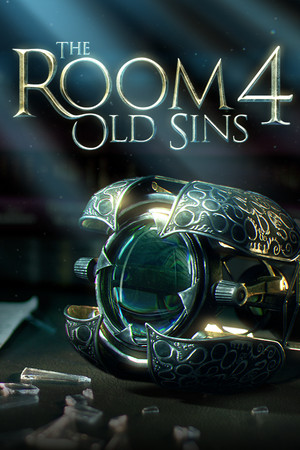
Similarities to 'The Room' series: The game is frequently compared to 'The Room' series, often seen as a similar but more ambitious take on the contraption adventure genre. While some rate 'The Room' higher, 'The House of Da Vinci' is considered a worthy spiritual successor.
Desire for more games: Players expressed a strong desire for the developers to create more games, particularly within the puzzle genre or similar to 'The Room' series. Many are eager to see future titles from the studio.
Conclusion of the series: This game marks the final installment in 'The House of Da Vinci' trilogy, concluding the overarching story and time travel events. It picks up directly from the previous game, resolving the conspiracy that unfolded throughout the series.
Comparison to previous games: Many players compared this installment to its predecessors, with a common sentiment that the first game remains their favorite. Some felt the quality declined slightly with each subsequent game, though the overall trilogy was appreciated.