- Stunning visuals and graphics
- Excellent optimization and performance
- Engaging and fun gameplay
- Great combat system
- Stiff and clunky combat animations
- No lock-on targeting system
Emotions
Archetypes
Hardware
What players like:
Common complaints:
Gameplay feedback:
Performance notes:
Recommendations:
Other player notes:
Similar games
Blend with other games






Review evidence
Why players say this
Review evidence
Why players say this
Steam review verdict
Stunning visuals and smooth performance meet engaging combat, but stiff animations and a missing lock-on targeting system hold it back.
What players like
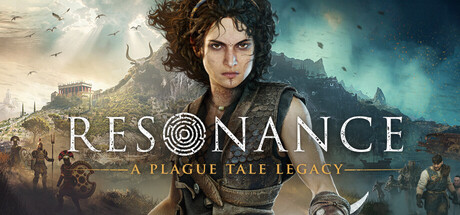
Stunning visuals and graphics: Players consistently praised the game's visuals, often calling them stunning, beautiful, and breathtaking. This feedback spans multiple clusters, highlighting the game's strong visual presentation.
Excellent optimization and performance: Many reviewers noted the game runs exceptionally well, with no stuttering or crashes, even on older hardware and high settings. The optimization is frequently praised as top-tier within the series.
Engaging and fun gameplay: Reviewers found the game fun, captivating, and an overall great experience. The gameplay mechanics, smoothness, and combat fluidity were highlighted as key strengths.
Great combat system: The combat was frequently described as fast, fluid, rewarding, and improved over previous games. It was seen as versatile, challenging yet accessible, contributing positively to the overall gameplay.
Interesting and engaging story: Reviewers found the story interesting and engaging, noting it captures attention from the start. The narrative is considered a strong aspect of the game.
Common complaints
Stiff and clunky combat animations: Multiple reviews criticize combat animations as stiff, clunky, and lacking clarity. This affects the overall feel of combat and contributes to a negative gameplay experience.
No lock-on targeting system: The absence of an enemy lock-on, both manual and automatic, makes combat disorienting and causes players to lose track of targets. This is a significant control issue affecting gameplay precision.
Combat lacks depth and challenge: Players feel combat is too simple, repetitive, and lacks variety, often relying on a parry/dash then attack loop. This reduces engagement and overall satisfaction with the combat system.
Weak story and narrative ties: The story is considered mediocre, and the connection to previous games is weak, relying heavily on the character Sophia. Players feel the narrative lacks depth and fails to engage.
Overall combat dissatisfaction: Several reviews describe combat as bad, average, or leaving much to be desired. This indicates a general lack of polish and enjoyment in the core combat mechanics.
Gameplay and performance
Combat-centric gameplay with simple mechanics: Multiple clusters highlight that the game features a combat system, often described as fast-paced and simple, with elements like swordplay, parries, and dodges. This indicates a core focus on action-oriented play rather than stealth.
Gameplay differs from previous titles: Players note that gameplay mechanics, especially combat, feel different compared to the first two games, with a shift toward action and combat over stealth. This marks a significant series evolution that fans may notice.
Mix of combat, puzzles, stealth: The game incorporates a blend of combat, puzzle-solving, and stealth elements, catering to multiple play styles. While combat is emphasized, puzzles and stealth are still present, offering variety.
Linear, story-driven adventure: The game is described as a linear adventure following the narrative, with some freedom in exploration but not an open world. This structure suits players who prefer guided storytelling.
Stealth de-emphasized or absent: Players report that stealth is largely absent, especially in the early hours, with combat taking precedence. This represents a deliberate departure from the series' stealth roots.
Overall optimization praised: Many reviewers report excellent optimization, with mentions of smooth performance, no stuttering, and high frame rates on various systems. Multiple clusters highlight that the game runs well on day one and on a range of hardware.
Mostly positive feedback: Overall, the majority of clusters report positive optimization and performance, with few major issues. The game seems well-received in terms of technical performance.
High FPS on high-end hardware: Several clusters report very high frame rates, including 100+ FPS at 4K and stable 60+ FPS on RTX 50-series GPUs. Max settings and high resolutions are handled well without frame generation.
Frame generation issues: Some users report that DLSS frame generation is broken or causes performance problems, including FPS drops and stuttering. There are also complaints about limited frame generation options and poor implementation.
Stable frame rates at 4K: Reviewers report stable 60 FPS at 4K ultra settings, with little tearing or stuttering. The game maintains high frame rates even at high resolutions with maxed graphics.
Recommendations
Recommended for series fans: Fans of previous Plague Tale games are strongly directed to play this title, with many stating it is a no-brainer for them. Some advise playing earlier entries first for better context.
Warmly recommended overall: Multiple reviewers strongly endorse the game, praising it without hesitation and calling it an absolute recommendation. This reflects high satisfaction and broad approval.
Worth buying at price: The game is considered a good value, with buyers affirming it is definitely worth purchasing and even calling it an absolute steal. Some suggest waiting for a sale, but overall sentiment is positive.
Recommended for similar game lovers: The game appeals to players who enjoy titles like God of War, Tomb Raider, and Indiana Jones, as well as adventure and puzzle games. Reviewers recommend it to those who like atmospheric mysteries and immersive storytelling.
Recommended to everyone: A few reviewers give universal recommendations, saying the game is worthy of anyone's time and deserves more attention. They encourage giving it a shot without reservations.
Buying context
Game completion: 9.0h.
Story completion: 10.0h.
Session length: 4.0h.
The game consistently hooks players from the very start, often within the first 20 minutes, with strong narrative and combat. However, technical issues and some design frustrations can spoil the experience for certain players.
Reported time to anchor: 20m.
Friction: Input delay in sword training; Camera and targeting issues; Performance problems; Tedious linear exploration; Annoying ranged enemies; Frustrating early pacing.
Player profiles
Story-Driven Narrativist: Cautious, exploratory, prioritizing narrative immersion; often plays on low difficulty to avoid stressful combat and focus on story. Motivation: Experiencing a compelling, emotionally resonant narrative and character-driven plot. Stance: sale.
Series Veteran Completionist: Thorough completionist, explores every corner, aims for 100% achievements; critically compares each new entry to prior installments. Motivation: To experience and complete every installment of the franchise, maintaining series loyalty and collection completeness. Stance: buy.
Action Combat Seeker: Aggressive, direct, seeks and initiates combat encounters; avoids stealth in favor of fast-paced action. Motivation: Engaging, adrenaline-fueled combat and active confrontation rather than avoidance or stealth. Stance: buy.
Platform notes
The game performs well across most VRAM cohorts, with strong praise for optimization and smooth framerates, though the highest-end cohort reports mixed experiences due to DLSS and frame generation issues.
Windows 12-15GB VRAM: positive. Players report excellent performance, with high frame rates and smooth gameplay on max settings.
Windows 8-11GB VRAM: positive. Most users report stable, high fps with good optimization, despite a few isolated bug complaints.
Windows 16GB+ VRAM: mixed. Performance is generally great, but some users criticize DLSS and frame generation controls as broken or annoying.
Steam Deck: User feedback indicates the game runs seamlessly on the Steam Deck, with stable performance and no reports of crashes or stuttering. The only technical note is shader compilation during play, which does not detract from the overall positive experience.
Linux and Proton: Limited evidence from two reviews shows strong Proton compatibility: Steam Deck performance is reported as stable and well-optimized. No reports of crashes, graphical glitches, or required tweaks. Shader compilation is a minor expected behavior.
Other review notes
Frequent comparisons to Uncharted: Many reviewers compare the game to Uncharted, Tomb Raider, Assassin's Creed, and Ghost of Tsushima, often noting a retro charm or superior combat. These comparisons help set expectations for gameplay and tone.
Favorable comparison to predecessors: The game is often praised for matching or exceeding the quality of the first two installments, with some noting it brings a new atmosphere and promise. This suggests it is a strong entry in the series.
Comparisons to A Plague Tale: Several reviewers compare this game to the previous A Plague Tale titles, either favorably or noting differences in atmosphere and gameplay. It is often seen as a worthy addition to the franchise.
Developed by Asobo Studio: The game is developed by Asobo Studio, likely a continuation of their work on the A Plague Tale series, and published by Focus Entertainment.
Praises the developers: Some reviewers encourage supporting the developers for their great work, highlighting their skill and dedication.