- Atmospheric and immersive environment design
- Impactful music and unique sound design
- Unique and unconventional artistic approach
- Lack of meaningful gameplay mechanics
- Excessively short game length
- Unresponsive and frequently buggy controls
Emotions
What players like:
Common complaints:
Gameplay feedback:
Performance notes:
Recommendations:
Other player notes:
Similar games
Blend with other games




Review evidence
Why players say this
Review evidence
Why players say this
What players like
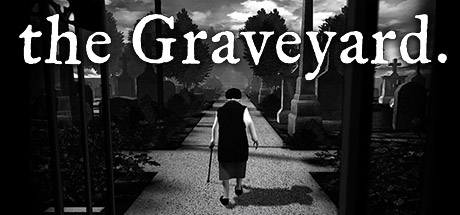
Atmospheric and immersive environment: The game's ambiance, including its black-and-white visuals, lighting, and sound effects, creates a dense, immersive atmosphere. The graveyard setting and environmental details are particularly well-crafted.
Impactful music and sound design: The game's music and sound design are frequently mentioned as captivating, emotionally evocative, and well-composed. Ambient sounds, such as birds singing and humming, enhance immersion and atmosphere.
Unique and unconventional design: The game is recognized for its originality, unconventional gameplay, and experimentation with new concepts. It challenges industry norms and is seen as a precursor to walking simulators and interactive narratives.
Artistic and thematic cohesion: The game is praised for its artistic symbolism, thematic depth, and cohesive design. Players appreciate its poetic elements, bold thematic choices, and sensitive execution of its central message.
Player agency and exploration: The game allows players to explore an open-world graveyard and make choices, such as deciding when to leave. Object interactions, like sitting on benches, enhance immersion and player engagement.
Common complaints
Lack of meaningful gameplay: The game is criticized for offering minimal interactivity, linear progression, and no exploration or side quests. Players describe it as more of an 'explorable painting' than a game.
Game is excessively short: Multiple reviews highlight the game's extremely short duration, with completion times ranging from 1 to 15 minutes. This brevity undermines emotional impact and value for money.
No intuitive exit mechanism: Players report frustration with the lack of a clear exit option, forcing them to use Alt+F4 or force-quit the application. This issue is exacerbated after the character's death, where the game becomes unresponsive and requires a system restart.
Unsatisfying death mechanic: The death scene is criticized for being comical, predictable, or disrupting immersion. Some players feel it undermines the game's tragic tone or lacks consequence.
Unresponsive and buggy mechanics: Frequent crashes, unresponsive controls, and game-breaking bugs (e.g., inability to progress or exit) disrupt the experience. Some players report needing to force-quit or restart their computers.
Gameplay and performance
Death triggered by sitting: Sitting on the bench initiates a sequence where the character dies, often accompanied by a song. This is a central narrative and mechanical event, frequently cited as the climax of the experience.
Linear bench-walking mechanics: Players repeatedly describe a highly linear movement system where the character walks in a straight line to a bench with no deviation. This is a core interaction loop in the experience.
Graveyard setting with slow movement: The game takes place in a quiet graveyard, with the player controlling an elderly character who moves at a slow pace. This setting reinforces the themes of mortality and reflection.
No traditional gameplay elements: The experience lacks conventional gameplay mechanics like exploration, combat, or puzzles. It is often described as an interactive tableau or walking simulator with no goals or challenges.
Song-driven narrative experience: A depressing or reflective song plays during the bench-sitting sequence, often with subtitles. The song is a key storytelling device, conveying themes of death and a grim past.
Frequent game crashes and freezes: Players report the game crashing frequently, becoming unresponsive after death, or requiring a forceful system restart. This severely disrupts gameplay and may indicate critical stability issues.
Visual and physics glitches: Players encounter visual anomalies like tree decals and shadow issues, as well as physics bugs such as birds clipping through objects and characters.
High hardware requirements: The game demands high-end hardware (e.g., dual 1080 TIs, 32GB RAM) to run smoothly, which may limit accessibility for players with mid-range or older systems.
Malware defense concerns: Some players suspect the game triggers malware defenses, which could indicate underlying technical or performance issues requiring investigation.
Flexible graphic settings: The game offers six levels of graphic quality settings, allowing players to adjust performance based on their hardware capabilities.
Recommendations
Artistic niche appeal: The game is recommended for a narrow audience that appreciates unique, thought-provoking, or artistic experiences. It is not suited for mainstream or casual gamers.
Avoid full-price purchase: Numerous reviews strongly advise against buying the game at full price, citing poor value and lack of quality. Many suggest using cheats or avoiding the game entirely due to its high cost relative to its content.
Try demo before buying: Several players recommend trying the free demo or version first to gauge interest, as the full game may not justify its cost. Some even prefer the demo over the paid version.
Better alternatives exist: Reviews suggest spending money on other artistic games or real-life experiences (e.g., visiting a graveyard) instead of this game. Some argue it feels like a money grab.
Bundle-only purchase: Some players recommend buying the game only as part of a bundle, as its short length and niche appeal make it unsuitable for standalone full-price purchase.
Other review notes
Anti-piracy measures noted: The game's anti-piracy trap, which renders pirated copies unplayable, was a notable talking point, reflecting player interest in developer efforts to combat piracy.
Game not abandoned on Steam: Players noted that the developers continued to release updates on Steam after the reviewed version, countering claims of abandonment. This highlights ongoing support for the game.
Acquired via game bundle: Several players mentioned obtaining the game through a bundle, suggesting accessibility and potential value for money as a key factor in their experience.
Speedrun humor recognized: A humorous 9-second speedrun by CinnamonToastKen was frequently mentioned, showing that players enjoy the game's quirks and community-driven content.
Historical context appreciated: Reviews referenced the game's evolution from 2008 to the present, indicating that players value its legacy and how it compares to modern standards.