- Addictive strategic gameplay with unique mechanics.
- Extensive content and meta-progression system.
- Strategic depth and high replayability value.
- Excellent sound and visual design enhances experience.
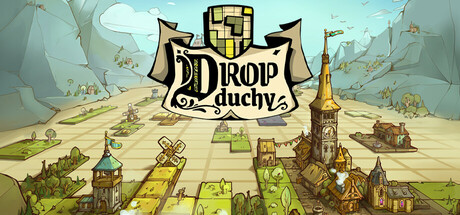
- Tetris meets roguelike deckbuilding gameplay.
- Lacks challenge, becomes stale for some players.
What players like:
Common complaints:
Gameplay feedback:
Performance notes:
Recommendations:
Other player notes:
Similar games
Blend with other games






Review evidence
Why players say this
Review evidence
Why players say this
What players like
Unique, addictive strategic gameplay.: The game uniquely blends Tetris-style tile placement with roguelike deckbuilding and city-building elements, creating a strategic and addictive gameplay loop. Players must strategically place tiles to maximize resource acquisition and combat effectiveness, leading to emergent strategies and satisfying synergies.
Extensive content and meta-progression.: The game offers extensive meta-progression and unlockables, including new mechanics, tiles, and upgrades, ensuring long-term engagement. The game provides dozens of hours of content, with a large tech tree, guilds, and quests.
Strategic depth and high replayability.: The game balances accessibility with strategic depth, offering diverse builds and synergies that reward strategic deck-building and planning. There are many ways to solve a problem and card synergies that might not be obvious at first glance.
Excellent sound and visual design.: The game features excellent sound and visual design, including a beautiful art style and well-executed on-screen effects. Celtic-style music and sound effects enhance the overall experience.
Strategic combat system.: The combat system involves strategically placing military buildings of three classes (rock-paper-scissors) to counter enemies and gain bonuses. Players must disrupt enemy formations and improve ally formations.
Common complaints
Lacks challenge, becomes stale.: Some reviewers found the game lacked challenge, especially in the early game. The late-game also suffers from a lack of new challenges, potentially leading to staleness after a relatively short playtime.
Poor handheld performance reported.: The game suffers from performance issues on handheld devices. One reviewer specifically mentions frame rate drops on the Legion Go, even with the lowest detail settings.
Missing undo button inconvenient.: The absence of an undo button is a significant inconvenience for players. This omission can lead to frustration and hinder experimentation with different strategies.
Unconventional controller interaction (D-pad).: The game's controller interaction uses the D-pad instead of the more common analog sticks. This control scheme may feel less intuitive or comfortable for some players.
Persistent audio bug present.: A bug causing missing tile sounds upon loading the game persists from the beta version. This indicates a lack of polish and attention to detail.
Gameplay and performance
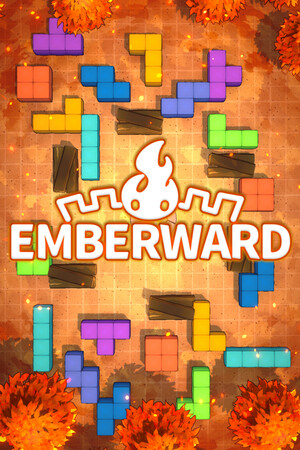
Tetris meets roguelike deckbuilding: The game uniquely blends Tetris-style block placement with roguelike deckbuilding mechanics. Players strategically place Tetris pieces, which represent buildings and technologies, to generate resources and build military strength. This core combination drives the strategic depth and replayability.
Strategic resource and base management: Players strategically place buildings on a randomly generated terrain to form horizontal lines, which yield resources based on the terrain type. These resources are then used to upgrade buildings, produce soldiers, and progress through levels, creating a resource management challenge.
Genre combination, streamlined mechanics: The game combines elements of multiple genres, such as puzzle, roguelike, real-time strategy, and city-builder, into a streamlined experience. However, the reviews do not provide specific details about how well these elements are implemented or balanced.
Rock-paper-scissors combat system: Combat employs a rock-paper-scissors system for unit types, granting a significant damage boost to advantageous matchups. Players must strategically select a limited number of cards representing these units, adapting their choices based on the enemy they face.
Strategic card leveling via resources: Encounters and events provide resources that are used to level up cards, requiring strategic decisions about which cards to enhance. This adds another layer of depth to the resource management aspect of the game.
Good optimization and few bugs: The game appears to be well-optimized and relatively bug-free, even on lower-end PCs. This suggests a stable and accessible experience for a wide range of players, contributing positively to initial impressions.
Recommendations
Generally recommended, good value: The game is generally recommended, especially for fans of strategy, puzzle, and roguelike games. Reviewers highlight its engaging gameplay loop, good value for the price, and potential to be a hit. However, some find it lacking strategic depth or suggest alternative games in the genre.
More control over blocks needed: A reviewer hopes for updates that would allow players to have more control over block arrangement. This would reduce the reliance on luck and increase the strategic depth of the game.
Prioritize main storyline first: A reviewer suggests prioritizing the main storyline before exploring other formations. This may indicate that the game's structure or difficulty curve is better experienced by following the intended progression.
Anticipation for future updates: The reviewer is awaiting future updates with anticipation. This suggests that while the game is currently enjoyable, there is potential for further improvements and content additions that would enhance the overall experience.
Other review notes
Unlocks carry across difficulties: The game allows players to unlock content on easier difficulties and then use those unlocks on harder difficulties. This provides a sense of progression and can make the game more accessible for some players.
Similar to Nordhold: The game is similar to Nordhold. This may indicate shared gameplay mechanics, setting, or overall feel, which could be useful for players familiar with that title.