- Unique blend of genres engages players deeply
- Highly engaging gameplay loop with strong replayability
- Accessible yet deep mechanics for all skill levels
- Persistent and severe bugs disrupt gameplay experience
- Over-reliance on paid DLCs frustrates players
- Unintuitive UI and controls hinder accessibility
Emotions
What players like:
Common complaints:
Gameplay feedback:
Performance notes:
Recommendations:
Other player notes:
Similar games
Blend with other games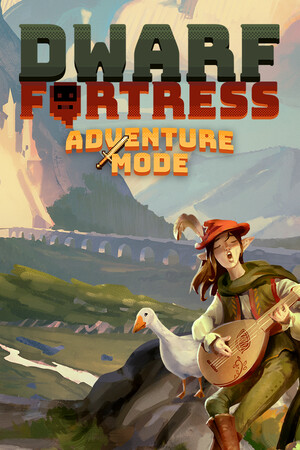






Review evidence
Why players say this
Review evidence
Why players say this
What players like
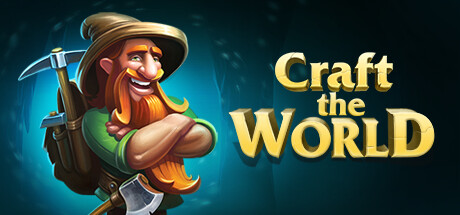
Unique blend of genres: The game successfully merges crafting, tower defense, colony management, and RPG elements into a cohesive experience. This unique combination appeals to fans of multiple genres and sets it apart from competitors like Minecraft or Dwarf Fortress.
Highly engaging gameplay loop: Players consistently praise the addictive and fun gameplay loop, combining sandbox building, strategy, and survival elements. The wave-based monster attacks and progression systems keep players engaged for hundreds of hours.
Accessible yet deep mechanics: The game strikes a balance between simplicity and depth, making it beginner-friendly while offering strategic complexity for veteran players. Controls are intuitive, and the learning curve is gradual.
Strong replayability and content: With procedurally generated worlds, diverse biomes, and a vast tech tree, the game offers immense replay value. Players highlight the variety of activities, DLCs, and frequent updates as key factors in long-term enjoyment.
Active developer support: Frequent updates, bug fixes, and new DLCs (e.g., 'Sisters in Arms,' 'Heroes') demonstrate the developers' long-term commitment. Seasonal events and mod support further extend the game's lifespan.
Common complaints
Persistent and severe bugs: The game suffers from numerous unresolved bugs, including crashes, loading issues, and gameplay-breaking glitches (e.g., dwarves spawning without names, AI pathfinding failures). Many of these bugs have persisted for years without fixes, severely impacting playability.
Over-reliance on paid DLCs: Core gameplay is locked behind numerous DLCs, which are often criticized as overpriced, underdeveloped, or repetitive. The base game feels incomplete, and monetization is prioritized over bug fixes or content improvements.
Unintuitive UI and controls: The UI is cluttered, lacks customization (e.g., rebinds, scaling), and suffers from poor organization (e.g., crafting menus, inventory management). Tutorials are unclear, and key features (e.g., task prioritization) are missing.
Lack of automation and QoL features: Basic features like auto-crafting, task prioritization, or storage management are missing, forcing manual micromanagement. Players highlight the absence of a fast-forward option for slow gameplay moments.
Resource scarcity and imbalance: Critical resources (e.g., coal) are difficult to find, and finite supplies disrupt progression. Some DLCs introduce mechanics (e.g., merchant disruptions) that exacerbate these issues, making gameplay unnecessarily tedious.
Gameplay and performance
Dwarf AI and Management Core: The game revolves around managing a colony of dwarves with autonomous AI behaviors, including task assignment, pathfinding, and survival needs (e.g., food, sleep). Players guide rather than directly control dwarves, creating a micromanagement-heavy simulation.
Progression via Tech and Crafting Trees: Unlockable technology trees and crafting systems drive progression, allowing players to upgrade tools, structures, and dwarf abilities. This includes skill specialization (e.g., mining, combat) and item evolution.
Wave-Based Defense Mechanics: Players must defend against periodic monster waves (e.g., nightly raids, portal events) using traps, towers, and strategic base design. Combat involves both direct and indirect control of dwarves.
Survival and RPG Elements: Dwarves have personal needs (hunger, shelter) and permadeath risks, blending survival mechanics with RPG progression (e.g., leveling, skill trees). Combat roles (e.g., mage, archer) add depth.
Resource Gathering and Crafting Loops: Core gameplay involves mining, farming, and crafting resources (e.g., coal, mithril) to build tools, structures, and defensive systems. Early-game survival focuses on resource scarcity and base-building.
System freezes and unresponsiveness: The game frequently freezes, especially in exclusive fullscreen mode or during intense combat scenarios (e.g., fighting pirate ships and red monsters). Soft locks often require a system reboot.
Resolution and display limitations: Lack of support for higher resolutions like 4K and issues with exclusive fullscreen mode causing system freezes or unresponsiveness.
Compatibility and optimization problems: Compatibility issues with Steam Deck and PC, including performance drops on the Steam Deck with specific in-game elements. Late-game optimization problems cause lag with larger groups of dwarves.
Network and co-op connectivity issues: High latency, connection drops in co-op, and platform-specific lobbies (Mac vs. Windows) disrupt multiplayer experiences. Some players report persistent errors preventing gameplay entirely.
Minor glitches and inconsistencies: Occasional glitches with in-game elements like beds and totems, though these do not significantly impact core gameplay. Some players also note smooth fluidity during gameplay despite other issues.
Recommendations
Strong genre recommendation: The game is highly recommended for fans of sandbox, management, survival, and strategy genres, as well as players who enjoy cozy but challenging experiences. Many reviews highlight its appeal to those who like games like Minecraft, Terraria, and RimWorld.
Best purchased on sale: Many players recommend buying the game or its DLCs during sales, citing its value at lower prices. Some suggest it is only worth a few dollars, while others advise against full-price purchases due to flaws.
Relaxing and creative appeal: The game is frequently recommended for relaxation, creativity, and casual play. Players enjoy its sandbox freedom, base-building, and problem-solving aspects as a way to unwind.
Criticism of monetization: Some players criticize the game's monetization strategy, particularly regarding DLCs and pricing. A few suggest that certain DLCs, like 'Sisters in Arms,' should have been included in the base game.
Gameplay tips for efficiency: Players share practical advice, such as using hotkeys for dwarf management, recycling unused items, and building vertical defenses to manage spawns. These tips enhance gameplay experience and resource management.
Platform notes
Steam Deck: The game suffers from severe stability issues, including frequent crashes, launch failures, and compatibility problems on Steam Deck and PC. While UI scalability and DLC glitches are noted, they are secondary to the critical technical barriers preventing core gameplay. The lack of official support (e.g., automated responses to crash reports) exacerbates user frustration.
Extra review signals
Monetization: The game's monetization strategy is heavily criticized for prioritizing DLC releases over fixing critical issues in the base game. Key problems include: (1) locking essential gameplay mechanics (e.g., recipes, libraries) behind DLC, (2) neglecting bug fixes and core improvements in favor of paid content, (3) overpricing DLC relative to its value, (4) paywalling multiplayer and other features that are typically standard, and (5) introducing DLC that exacerbates existing gameplay problems. While some players appreciate the additional content, the overwhelming sentiment is that the monetization feels exploitative and predatory.
External guides: The primary user feedback revolves around the game's reliance on external wikis and guides to understand core mechanics, hotkeys, and complex systems. The in-game tutorial is frequently cited as unclear or insufficient, forcing players to seek instructional data externally. This aligns strongly with Tier 3 (The Student). While there are minor mentions of inventory management (Tier 2), they are not the dominant theme. Language barriers and regional wiki scarcity further compound the issue for non-English speakers.
Other review notes
Multi-platform availability: The game is widely available on Android, PC, and iOS, with full features supported across platforms. Touchscreen controls and Japanese language support further enhance accessibility for a broader audience.
Seasonal events and updates: Players frequently highlight the game's fun seasonal events (e.g., Christmas, Halloween, Chinese New Year) and regular updates, which enhance replayability and engagement. These features are praised for keeping the game fresh and exciting.
Dwarves' unique traits: Players appreciate the dwarves' distinct personalities, animations, names, and customizable appearances, which add depth and personalization to the gameplay experience.
Emotional coping tool: Some players mention using the game as a coping mechanism during challenging personal periods, such as unemployment or the COVID-19 pandemic, highlighting its positive impact on mental well-being.
Community engagement: The game fosters a supportive community, with players organizing self-help groups to address issues like inventory management, demonstrating strong player collaboration and problem-solving.