- Highly addictive and engaging
- Unique sci-fi setting
- Intuitive controls and interface
- Game is extremely difficult
- Crafting failures waste materials
- Recipe system is frustrating
Emotions
Archetypes
What players like:
Common complaints:
Gameplay feedback:
Performance notes:
Recommendations:
Other player notes:
Similar games
Blend with other games






Review evidence
Why players say this
Review evidence
Why players say this
Steam review verdict
Addictive sci-fi adventure with intuitive controls, yet brutally difficult, with frustrating recipes and crafting failures that waste precious materials.
What players like
Highly addictive and engaging: Many reviewers find the game incredibly addictive and engaging, often losing track of time while playing. The gameplay loop is compelling and keeps players coming back for more.
Unique sci-fi setting: The sci-fi theme is a standout feature, offering a fresh take on the roguelike genre. Players appreciate the interesting and uncommon setting, which adds to the game's appeal.
Intuitive controls and interface: The interface and controls are praised for being straightforward and user-friendly. This accessibility makes the game easy to pick up and play, even for those new to the genre.
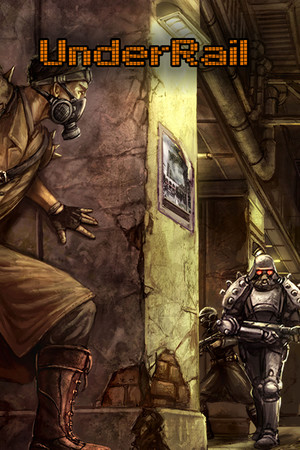
Detailed and artistic design: The game is noted for its detailed and wild art style, which contributes to its immersive atmosphere. The visual presentation is a positive aspect for many reviewers.
Memorable soundtrack: The soundtrack is well-received, adding to the game's atmosphere and enjoyment. Players find the music interesting and fitting for the game's setting.
Common complaints
Game is extremely difficult: Players consistently report that the game is brutally hard, punishing, and merciless even on the easiest difficulty. The high difficulty is a dominant theme across many reviews.
Crafting failures waste materials: Crafting has a random chance of failure that consumes materials even when it fails, and the success chance is not always shown. This leads to frustrating loss of valuable items.
Gameplay and performance
Core roguelike genre identity: Players consistently identify the game as a traditional, turn-based roguelike with a sci-fi setting, featuring strategy, crafting, and RPG elements. This genre classification is central to player expectations and experience.
Extensive crafting system: The game features a deep crafting system with many ingredients, recipes, and crafting stations. Recipes are often unlocked through gameplay progression, hacking, or deciphering in-game messages, and are essential for survival.
Durability and resource management: Weapons, armor, and items degrade over time and must be repaired, while ammo, food, and other resources are scarce. This creates a constant need for careful resource management and planning.
Procedural generation and randomness: Floors, enemies, loot, and item placement are randomly generated, ensuring no two runs are identical. RNG heavily influences loot drops and overall gameplay, with luck playing a major role.
Weapons, ammo, and combat mechanics: The game features various guns and ammo types, with weapons having different mechanics. Combat is a central element, with equipment degradation adding an extra layer of strategy.
Runs on low-end hardware: The game runs without issues on a laptop with Intel HD Graphics 4400 on Ubuntu 16.04, indicating good optimization for low-end systems.
Recommendations
Not for everyone: Several reviewers caution that the game is not suitable for all players, particularly those who dislike difficulty, randomness, or slow pacing. It is described as a niche title for patient, dedicated players.
Recipe system is frustrating: The recipe unlock system is a common point of criticism, with some reviewers finding it tedious and DLC-restricted. They recommend using wikis or mods to alleviate the frustration.
Character class recommendations: Reviewers suggest specific classes for beginners, such as Seeker, Engineer, Scout, and Psion, while advising against tank classes like Marine and Bug. These recommendations help new players ease into the game.
Quality-of-life mod essential: A community mod is highly recommended to improve gameplay, such as unlocking all recipes and increasing game speed. Reviewers suggest playing the base game first before installing the mod.
Original version preferred: Some reviewers recommend playing the original version before the DLC, as it offers a less intimidating experience. They caution that the DLC may add complexity that is not ideal for newcomers.
Buying context
Community fair range: $3.00 - $6.00.
Game completion: 20.0h.
Endgame: 200.0h.
The game has a steep early learning curve and a boring initial grind, but becomes addictive and satisfying once players unlock recipes and understand the systems.
Friction: steep learning curve; boring grind at the start of each run; tedious recipe checking; little hand-holding for new players; tedious required for optimal gameplay.
Unlock drivers: unlocking more recipes; understanding the systems; meta-progression lessening permadeath sting; deciphering crafting recipes.
Player profiles
Veteran Roguelike Devotee: Methodical, planning builds, learning from deaths, and exploring all classes and difficulties. Motivation: Mastery and challenge; the satisfaction of overcoming high-stakes survival and deep systems. Stance: buy.
Grind-Weary Critic: They attempt to play but become discouraged by the tedium of inventory management and information gating. Motivation: They seek a fair challenge but are frustrated by the game's reliance on grinding and RNG. Stance: no buy.
Curious Newcomer: They rely on guides, try different classes, and gradually learn the mechanics. Motivation: Curiosity and exploration; they want to understand the game's systems and see if they can survive. Stance: sale.
Platform notes
Steam Deck: The audit reveals that while the game itself is well-received, its Linux support is problematic. The native Linux version is outdated and the developer has not updated it for over 20 months, leading to a confusing and frustrating experience for Linux users. However, the game runs well on low-end hardware, indicating potential for good performance on Steam Deck if the version issues are resolved. Overall, the experience requires tinkering, such as using Proton or waiting for updates.
Linux and Proton: The game has a native Linux version that is functional, as evidenced by a positive report on integrated graphics. However, the Linux build is outdated (behind Windows by ~20 months) and the support state is confusing, leading to several negative reviews and recommendations to seek alternatives. The core gameplay works, but the lack of updates and clarity around Linux support creates friction for users.
Extra review signals
Monetization: The user reviews show no evidence of predatory monetization. The game uses traditional DLC that adds value, and there are no microtransactions or pay-to-win elements. The score is low.
External guides: The dominant user complaint is the game's opaque crafting system, which forces players to rely on external wikis to discover recipes. This dependency is described as grindy, frustrating, and even necessary for basic survival, creating a significant barrier to engagement. The feedback consistently points to recipe and crafting knowledge as the core issue, aligning with the 'Hoarder' archetype.
Other review notes
DLC adds significant content: Multiple DLCs add new levels, loot, weapons, recipes, classes, and enemies, increasing difficulty and extending gameplay. The Gold Edition and Mind Games expansions are particularly noted for adding psionics, new species, and advanced mechanics.
Compared to Dungeons of Dredmor: Reviewers frequently compare the game to Dungeons of Dredmor, often finding it inferior or more punishing. Some also compare it to other roguelikes like Nethack, ADOM, and Caves of Qud.
Recipe system requires wiki: Crafting recipes are not fully documented in-game, requiring players to consult wikis or online communities. A community mod can unlock all recipes and improve inventory management.
Japanese localization now available: The game now supports Japanese language, with a localization pack released in Ver.1.5.5S including all DLC. A Japanese wiki is also available, though some information is scarce.
Long playtime and pacing: A full run takes 15-30 hours, with some players reporting 70 hours to reach the bottom on easy. The game has a 'quick' mode and developers have made efforts to shorten run times.