- Diverse prison management strategies available.
- Challenging and rewarding gameplay experience.
- Top-tier management simulation features.
- Game plagued by bugs and issues.
- Excessive and poor quality DLCs.
- Frequent crashes and optimization problems.
Emotions
Archetypes
Hardware
What players like:
Common complaints:
Gameplay feedback:
Performance notes:
Recommendations:
Other player notes:
- -
No data available
Similar games
Blend with other games








Review evidence
Why players say this
Review evidence
Why players say this
What players like
Diverse prison management strategies: The game offers a variety of strategies and mechanics for managing prisons, including handling different prisoner needs, security measures, and various aspects of prison life. Players can experiment with different styles of prison management, making each playthrough unique and engaging.
Challenging and rewarding gameplay: The game offers a deeply rewarding challenge with endless replayability. It is described as fun, addictive, and engaging, providing many hours of enjoyable gameplay.
Positive overall game experience: The game is highly praised for being fun, creative, and amazing. Many players recommend the game for its overall enjoyment and excellence.
Engaging and varied gameplay: The gameplay is dynamic and engaging, offering a variety of scenarios and experiences. It is well-balanced, complex, and fun, providing depth and creativity.
Top-tier management simulation: The game is considered one of the best in the management and construction simulation genre. It is innovative, fun, and offers incredible management experiences.
Common complaints
Game plagued by bugs: The game is reported to have numerous bugs that affect gameplay, including general bugs, interactions, and specific issues with certain game mechanics.
Excessive and poor DLCs: Players criticize the game for relying too heavily on DLCs, which are seen as expensive, ineffective, and often unnecessary for gameplay.
Prisoner behavior issues: Prisoners exhibit illogical behaviors such as starving despite available food, getting stuck in walls, and incorrectly interpreting game environments.
Criticism of Paradox: Players express dissatisfaction with Paradox, citing issues with greed, game integrity, and the requirement of an external launcher.
Guard AI problems: Guards often fail to perform their tasks, do not cover assigned areas, and sometimes do not react appropriately to prisoner behaviors.
Gameplay and performance
Prison construction and management: The game primarily involves designing, building, and managing prisons. Players must handle various aspects such as infrastructure, inmate needs, staff management, and budgets.
Prisoner behavior and riots: The game features dynamic prisoner behaviors, including riots and escapes. Players must manage these behaviors and handle emergencies effectively.
Management and strategy game: The game is a simulation and management game with tycoon-style mechanics. It allows for different management strategies and involves strategic planning.
Building and planning mechanics: The game features detailed building and planning mechanics. Players can design and construct various facilities and manage resources.
Puzzle-like and mission-based gameplay: The game includes puzzle-like and mission-based gameplay elements. It involves problem-solving and strategic gameplay, offering complexity and longevity.
Frequent bugs and crashes: The game is reported to have numerous bugs and frequent crashes, which significantly impact the gameplay experience. Players have mentioned issues ranging from minor bugs to game-breaking problems.
Optimization and stability problems: The game has poor optimization, leading to various stability issues. Players report that the game does not run smoothly and has problems with performance and stability.
Hardware and compatibility issues: The game has various hardware and compatibility issues, including problems with modern hardware and specific issues on Mac. Players also report high power consumption and issues with hardware settings.
Launcher and startup issues: The game launcher causes several problems, including constant crashes and slow startup times. These issues hinder the initial experience of starting the game.
Graphical and display problems: Players encounter several graphical and display issues, such as resolution changes causing crashes and general display problems. These issues affect the visual experience of the game.
Recommendations
Recommended for strategy and simulation fans: The game is highly recommended for those who enjoy strategy, simulation, and management games. It is particularly suggested for fans of games like Cities: Skylines, The Sims, and RimWorld.
Worth buying on sale: Many players suggest that the game is worth purchasing, especially when it is on sale. Some reviews indicate that the game may not be worth the full price.
Not recommended for purchase: Some reviews advise against buying the game, especially for Mac users or those looking for frequent updates. There are also concerns about the developer's quality control.
Research and consider DLCs: Players suggest researching DLCs before purchasing. Some recommend buying DLCs to enhance the game, while others advise against it or suggest playing with most DLCs disabled initially.
Consider older versions: Some reviews suggest playing older versions of the game, such as the 2018 beta version or the final Introversion version, for a better experience.
Buying context
Community fair range: $10.00 - $20.00.
Game completion: 88.0h.
Session length: 5.0h.
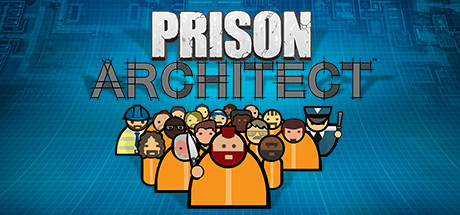
Prison Architect is a deeply addictive and rewarding simulation game with a steep learning curve that can be challenging for new players. The game becomes significantly more enjoyable once players overcome the initial learning phase and engage in multiplayer or co-op modes.
Reported time to anchor: 2h.
Friction: Steep learning curve; Unclear tutorial; Complexity of systems.
Unlock drivers: Mastering the learning curve; Engaging in multiplayer or co-op modes; Experimenting with different modes and systems.
Player profiles
Creative Strategist: Enjoys building and managing prisons with a focus on creativity and strategy. Motivation: Creative freedom and strategic depth. Stance: buy.
Nostalgic Veteran: Prefers the game in its earlier state, enjoys reminiscing about past experiences. Motivation: Nostalgia and past enjoyment. Stance: no buy.
Cooperative Builder: Enjoys playing in multiplayer mode, building prisons cooperatively with friends. Motivation: Social interaction and cooperative gameplay. Stance: buy.
Platform notes
The game exhibits significant performance issues, particularly on systems with less than 8GB of VRAM, where crashes are frequently reported.
Windows <8GB VRAM: negative. Frequent crashes reported, making the game unplayable for some users.
Steam Deck: The analysis of user feedback reveals significant issues with the Paradox launcher, performance on Steam Deck, UI and stability, and compatibility with certain systems. These issues have led to a frustrating user experience, with many users expressing dissatisfaction and encountering barriers to enjoying the game.
Linux and Proton: The game faces significant issues on Linux and Steam Deck, primarily related to performance, launcher requirements, and graphical stability. These problems make the game difficult to play and enjoy on these platforms.
Extra review signals
Monetization: The game suffers from several issues related to its monetization and publisher practices. Key concerns include the excessive amount of DLC, which is seen as overpriced and fragmenting the player base. Essential features are often locked behind paid DLC, making the base game feel incomplete. The publisher, Paradox, is criticized for focusing on DLC rather than fixing bugs and supporting the game, leading to persistent issues and a negative perception among users. Additionally, the publisher's reputation for monetization and relaunching games has further impacted user trust and satisfaction.
External guides: The analysis of user feedback reveals significant reliance on external resources such as wikis and spreadsheets for inventory management and understanding game mechanics. Additionally, there are notable complaints about the game's poor guidance and technical issues like bugs and crashes.