- Fun, addictive gameplay with strategic, tactical focus
- Creative minion creation and permanent upgrade system
- Appealing pixel art style and unique concept
- Severe performance and stability issues plague gameplay
- Unbalanced difficulty, grindy progression, lacks content
- Poor minion AI, controls, and titan system balance
What players like:
Common complaints:
Gameplay feedback:
Performance notes:
Recommendations:
Other player notes:
Similar games
Blend with other games




Review evidence
Why players say this
Review evidence
Why players say this
What players like
Improved and expanded sequel: The sequel improves upon the original Necrosmith, with many reviewers noting that Necrosmith 2 is better and more engaging than the first game. It retains the core gameplay loop while adding more content, features, and quality-of-life improvements. If you enjoyed the first game, you'll likely enjoy this one even more.
Fun and addictive gameplay: Many reviewers found the game to be fun, addictive, and engaging. The game provides immediate motivation and a familiar experience, making it easy to get into. The difficulty progresses gradually, making it suitable for new players.
Creative minion creation system: A key feature is the ability to create unique minions by combining different body parts, leading to varied units with different stats and abilities. Discovering new recipes and synergies between corpse combinations is an enjoyable and strategic element of the game. Learning to make better units contributes to the sense of progression.
Appealing pixel art style: The game features an appealing pixel art style with detailed unit designs and varied biomes. It blends roguelike, tower defense, and auto battler elements, creating a unique and enjoyable experience. The art style, music, and general gameplay were considered good.
Interesting and unique concept: The game has a neat concept and interesting creative elements. The core mechanics are smart and more complex than they appear. The game has the potential to be a top-tier indie game.
Common complaints
Severe performance and stability issues: The game suffers from significant performance issues, including lag and frame rate drops, especially in later stages or when many units are on screen. Many reviewers also describe the game as feeling unpolished, buggy, and even unplayable due to crashes and freezes. Some players are unable to even launch the game.
Lacks content and innovation: Many reviewers feel the game lacks innovation and substantial content compared to the first installment, making it feel more like a DLC or an incomplete experience. The game quickly becomes repetitive, with limited replay value and a lack of compelling new mechanics or features. Some reviewers also found the story to be uninteresting.
Unbalanced difficulty and grindy: The game's difficulty curve is unbalanced, with spikes that force players to grind excessively to progress. Some reviewers found the late-game content to be overly difficult, while others found it too easy once they understood the strategy or obtained certain upgrades. The economy is also overly complex.
Poor minion AI and controls: Minion AI is problematic, with minions often ignoring resources or behaving erratically during combat. The game also lacks quality of life features like group controls and clear communication of mechanics, making it difficult to manage units effectively. The game also lacks an in-game recipe list.
Titan system poorly balanced: The Titan system is poorly balanced, with Titans either being overpowered or underpowered at different stages of the game. Some reviewers found Titan battles to lack strategic depth, while others felt the game became a repetitive grind after obtaining a Titan. Some reviewers also found the Titan system to be forced and would have preferred to play without them.
Gameplay and performance
Defend tower using undead minions: The core gameplay loop revolves around defending a central tower by creating and commanding undead minions assembled from scavenged body parts. These minions are tasked with resource gathering, base defense, and attacking enemies, with players sometimes able to directly control individual units.
Day/night cycle, defend titans: The game features a day/night cycle and titan system. Players must defend against increasingly powerful waves of enemies, including titans, while upgrading their tower and gathering resources. Titans are powerful units created by combining many parts.
Roguelike tower defense gameplay: The game combines roguelike, tower defense, and RTS elements. Failing to improve units and defeat enemy hordes leads to death and a return to the base.
Deep unit crafting system: The game features a deep crafting system with hundreds of recipes for combining body parts to create unique undead units. However, some reviewers note a lack of initial strategic depth due to limited parts early on, and vague distinctions between parts later in the game.
Tower upgrades via gold/relics: Gold and relics are used to upgrade the tower and provide passive bonuses for subsequent runs. Permanent upgrades at the home base unlock spells and other enhancements.
Potential memory leak, SSD damage: Some reviewers are reporting potential memory leak issues and even SSD damage. This could be a critical issue that needs immediate attention.
Broken pause function: The pause function is reportedly broken, with unintended consequences for controlled units. This bug can be exploited by players.
Random game crashes: The game is crashing randomly for some players, leading to frustration and disruption of gameplay.
Missing visual effect options: The game lacks options to reduce visual effects, limiting players' ability to improve performance on lower-end hardware.
Frame drops slow in-game timer: Frame rate drops are slowing down the in-game timer, which can negatively impact gameplay progression and player experience.
Recommendations
Unpolished; wait for fixes/sale: Many reviewers feel the game is currently unpolished, rushed, or not worth the asking price. Some suggest waiting for patches or buying it on sale, while others recommend sticking with the first game. Some reviewers specifically mention technical issues, lack of content, or unengaging gameplay.
Enjoyable, good value for price: Many reviewers find the game enjoyable and worth the price, especially on sale. They recommend it, highlighting its fun gameplay and solid value. Some are looking forward to future content or installments.
Recommended for specific audiences: The game is recommended for players who enjoy specific genres or themes. These include strategy, roguelite, auto-battler, incremental upgrading, dark themes, or low APM experiences.
Not a worthy sequel: Some reviewers feel the sequel doesn't significantly improve upon the original, resembling more of an update or DLC. They suggest that it's not essential for those who played the first game and may not be a worthy sequel.
Add game speed option: Reviewers suggest the addition of a game speed option to improve pacing. The current upgrade system implies a potentially lengthy playthrough, making a speed control desirable.
Other review notes
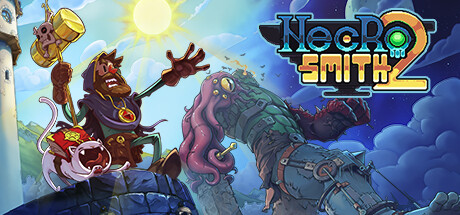
Humorous dark atmosphere and characters: The game features humorous dialogue between a necromancer and a talking cat, contributing to a dark and humorous atmosphere enhanced by the soundtrack and sound effects. The setting is captivating, even without a complex narrative.
Poor clarity and UI issues: Beginners may struggle due to a lack of clarity around the mechanics. Additionally, numbers in the game tend to blend into the background, making them easy to miss.
Instant death reaper mechanic: A reaper appears and instantly kills the player after acquiring a key item, similar to Vampire Survivors. This mechanic can be unexpected and frustrating.
Medieval/Sci-Fi setting blend: The game's setting blends medieval and science fiction elements, creating a unique atmosphere reminiscent of Wizardry. This fusion of genres contributes to the game's distinctive style.
Heavy reliance on idling: The game involves a significant amount of idling while units perform actions. Some players report leaving the game running for extended periods.