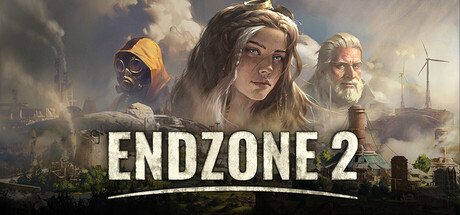
- Great graphics and visuals
- Improved over first game
- Engaging and enjoyable gameplay
- Game abandoned after studio closure
- Worse than predecessor Endzone 1
- Buildings lack visual distinction
Emotions
Archetypes
What players like:
Common complaints:
Gameplay feedback:
Performance notes:
Recommendations:
Other player notes:
Similar games
Blend with other games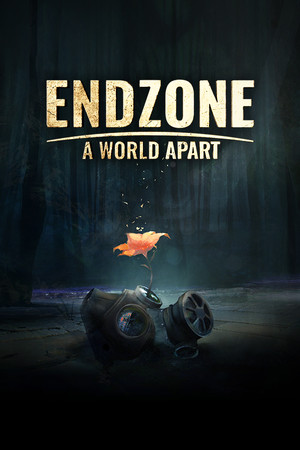






Review evidence
Why players say this
Review evidence
Why players say this
Steam review verdict
Great visuals and engaging gameplay, but it is worse than Endzone 1, buildings lack distinction, and it was abandoned after the studio closed despite some improvements.
What players like
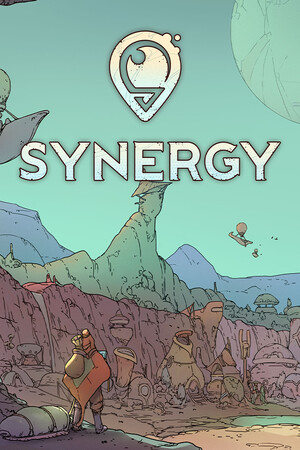
Great graphics and visuals: Many reviewers praise the graphics as nice, good, detailed, and beautiful. The visuals have also taken a huge leap forward compared to earlier versions.
Improved over first game: Players find the game more expansive and playable than the first installment, and consider it relatively better overall. The sequel is seen as living up to and exceeding expectations set by the original.
Engaging and enjoyable gameplay: Reviewers find the game excellent, fun, and cleverly designed, with many enjoyable and gratifying hours of play. The core gameplay is captivating and interesting.
Helpful in-depth tutorial: The tutorial is described as really helpful, very good, and almost hand-holding. It effectively guides new players through the game's mechanics.
Good atmosphere and music: The atmosphere is very well achieved and wonderful, with music that sets the mood for each scenario. Sound and music effectively support the overall atmospheric experience.
Common complaints
Game abandoned after studio closure: The studio behind the game has closed, meaning no further updates, DLC, or support will be released. Players frequently mention the game is effectively dead due to the shutdown.
Worse than predecessor Endzone 1: Numerous reviews compare the game unfavorably to Endzone 1, citing it as a step backwards with simplified mechanics and reduced quality. The general sentiment is that it is a disappointing sequel.
Buildings lack visual distinction: Many players report that buildings look too similar, making it difficult to identify which building is which. This hampers navigation and city management.
Gameplay becomes boring and repetitive: Players frequently mention that the game gets boring quickly and that the core loop feels repetitive. This leads to a shallow experience for many.
Managing multiple settlements is tedious: Players report that managing too many settlements becomes tedious and overwhelming. The new mechanics for multiple settlements are not well-received.
Gameplay and performance
City-Building and Management: The game is fundamentally a city-building and management simulation, often described as a colony sim or production management game. Players build and manage multiple cities with exploration and progression elements.
Post-Apocalyptic Setting: The game is set in a post-apocalyptic wasteland, focusing on survival and resource management. Players build and manage settlements in a harsh environment with radiation and other disasters.
Multiple Settlements Management: Players are required to manage multiple settlements simultaneously, each with different resources and sizes. This includes establishing, planning, and administering several settlements.
Resource Management Focus: Resource management is a core gameplay mechanic, requiring players to gather, manage, and optimize resources. This includes production chains and logistics.
Trade Routes and Settlements: Players can build trade routes between settlements and establish multiple settlements for economic growth. Trade involves moving goods between towns using vehicles.
Crashes and startup failures: Players report crashes 2-3 times on startup, freezes, and even the computer restarting. These issues prevent the game from being played reliably.
Memory usage concerns: The game loads everything and is memory-heavy when saving, recommending a GPU with more memory. Saving and loading are slow, possibly CPU or memory dependent.
Runs well on some hardware: The game runs well on a 1060 laptop and is not very demanding on performance. It also runs stable with no bugs or crashes for some players.
Performance drops over time: As the game progresses, stuttering begins that blocks playing at 2x or 3x speed. Multiple zones and high population also cause chugging.
Poor performance relative to graphics: Reviewers note very poor performance for the visual quality shown. The optimization feels lacking even at lower settings.
Recommendations
Not Recommended Due to Unfinished State: Many reviewers advise against purchasing because the game is abandoned, unplayable, or unfinished, with no further updates or bug fixes expected. This is the most frequent and impactful complaint.
Recommended for Anno and Survival Fans: Players who enjoy Anno, Endzone, or post-apocalyptic survival city builders often recommend the game for its similar mechanics and atmosphere. This is a common positive theme.
Not Recommended for Endzone 1 Fans: Fans of the original Endzone are frequently disappointed, finding the sequel lacks the same style, challenges, or personal feel, and many suggest sticking with the first game. This negative sentiment is widespread.
Worth Trying Despite Flaws: Some reviewers recommend giving the game a chance, especially if you enjoy exploration or are willing to overlook its flaws. This is a moderate positive view.
Not Recommended: Refunded or Quit: Several reviewers requested refunds or quit the game, implying it is not worth buying or continuing. This action speaks to strong dissatisfaction.
Buying context
Community fair range: $14.99 - $24.99.
Game completion: 35.0h.
Session length: 35.0h.
Endgame: 16.0h.
Players often find the opening, tutorial, and early exploration engaging, but the experience tends to become repetitive and tedious later as expeditions, minigames, and multi-settlement management expand.
Friction: Long or slow tutorial that some players want shortened; Unclear early build priorities and what should take priority; Slow, restrictive pacing with an illogical community-building progression; Manual vehicle micromanagement with limited automation; Separate settlement management without simultaneous status views; Repetitive searching and minigames that become time-consuming.
Unlock drivers: Finishing the tutorial and opening up resource and building relationships; Learning the game by playing instead of relying on the tutorial; Focusing early on establishing a town, survival basics, and perks before higher tiers.
Player profiles
Post-Apocalyptic Colony Strategist: Builds and supplies several settlements, routes trade and supply chains between them, and reacts to droughts, radiation storms, and resource shortages rather than combat. Motivation: Managing a post-apocalyptic colony under environmental threats and running the logistics that connect multiple settlements. Stance: buy.
Endzone 1 Franchise Veteran: Plays with expectations set by the first game and by Anno and Frostpunk, scrutinizing design changes such as the shift to managing multiple settlements. Motivation: Judging how the sequel diverges from the Endzone 1 formula they know and comparing it to other genre sequels. Stance: no buy.
Casual Chill City-Builder Newcomer: Plays in short, low-pressure sessions, learning the systems as they go and enjoying light challenge from occasional events. Motivation: Relaxed, accessible city building they can pick up and enjoy without a steep learning curve. Stance: sale.
Other review notes
Studio closure ends support: Multiple clusters indicate that the development studio has shut down, meaning the game will not receive further updates, DLC, or bug fixes. This is a critical concern for players expecting ongoing support.
Unfavorable comparison to predecessor: Several clusters express that the game is worse than the previous Endzone title, citing a step backward in graphics, audio, content, and depth. Reviewers feel it stripped away gameplay elements and is less fun.
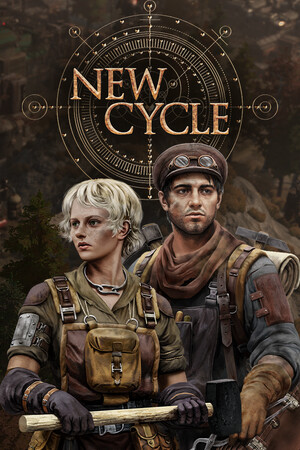
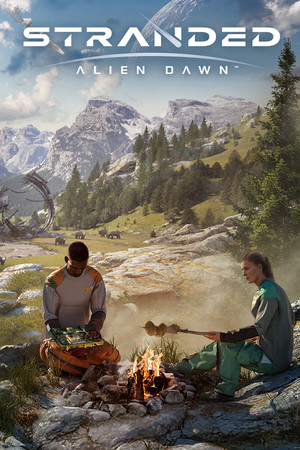
Frequent Anno comparisons: Many reviewers compare the game to the Anno series, noting similarities in base building, mechanics, and multi-colony management. Some describe it as an Anno clone or a rethinking of the series.
Game feels different from original: Reviewers note that despite being a sequel, the game plays significantly differently from Endzone 1, with changed strategy and a more expansive feel. Some consider it a completely different game.
Early access release and state: The game was in early access for a year before 1.0 and is still in early access with missing features. Some reviewers note it was released as early access instead of a full release and is essentially half-finished.