- Exceptional, rewarding, yet divisive combat system
- Striking art style and visuals
- Challenging difficulty, often unfair
- Unique aging mechanic impacts gameplay
- Repetitive grind and progression issues
- Problematic and obstructive camera
Emotions
What players like:
Common complaints:
Gameplay feedback:
Performance notes:
Recommendations:
Other player notes:
Similar games
Blend with other games


![Cover for NINJA GAIDEN Σ [NINJA GAIDEN: Master Collection]](https://shared.cloudflare.steamstatic.com/store_item_assets/steam/apps/1580780/library_600x900.jpg)





Review evidence
Why players say this
Review evidence
Why players say this
What players like
Exceptional & Rewarding Combat System: Players consistently praise the game's combat system as exceptionally fluid, impactful, and deeply satisfying. The emphasis on mastery, precise timing, and strategic engagement over button-mashing creates a highly rewarding experience that makes players feel like a true martial arts master. This core gameplay loop is addictive and provides immense replayability.
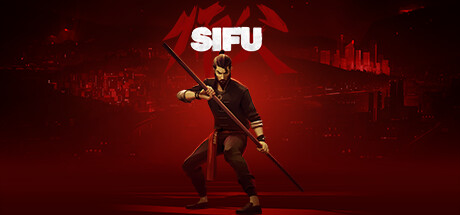
Striking Art Style & Visuals: The game receives widespread acclaim for its stunning and unique art direction, visual style, and fluid animations. Each level is distinct, thematic, and visually impressive, contributing to a cinematic and immersive atmosphere that enhances the overall gameplay experience.
Challenging Yet Fair Difficulty: The game's difficulty is consistently highlighted as challenging but fair, providing a strong sense of accomplishment upon mastery. Players appreciate the balanced learning curve, which encourages perseverance and skill improvement rather than frustration, making victories feel earned.
Authentic Martial Arts & Culture: The game is celebrated for its authentic and respectful portrayal of Chinese martial arts and culture. It serves as a love letter to classic Kung Fu cinema, incorporating realistic movements, philosophical themes like 'Wude' (martial virtue), and cultural elements that deeply resonate with players.
Engaging & Philosophical Story: The game's narrative, though often described as simple, is praised for its effectiveness, depth, and philosophical undertones, particularly the theme of forgiveness. The story is well-executed, engaging, and complements the gameplay, providing a compelling backdrop to the action.
Common complaints
Overly High & Unfair Difficulty: Players consistently report that the game's difficulty is excessively high, often feeling unfair or artificial, especially on higher settings and during boss encounters. This leads to significant frustration, a steep learning curve, and a sense of being punished for minor mistakes, making it inaccessible for many.
Unresponsive & Flawed Combat Mechanics: The core combat mechanics, particularly parrying, dodging, and combo execution, are widely criticized for being unintuitive, inconsistent, and unresponsive. Players struggle with precise timing, unreadable enemy attacks, and ineffective defensive options, especially in group fights where simultaneous attacks lead to unavoidable damage and stun-locks.
Problematic & Obstructive Camera: The in-game camera is a major source of frustration, frequently getting stuck in environments, obscuring the player's view, and failing to track enemies effectively. This issue significantly hinders combat readability and player reaction time, actively working against the player.
Repetitive Grind & Progression: The game's progression and replayability are hampered by repetitive level design and a tedious grind. Players are forced to re-run long sections of levels after dying, and the permanent skill unlock system requires multiple purchases, leading to monotony and a feeling of wasted time.
Technical Issues & Poor PC Controls: Many players report poor optimization and technical issues, including frequent stutters, crashes, and input lag, particularly on PC. Additionally, keyboard and mouse controls are widely criticized as awkward and poorly implemented, making a controller almost mandatory.
Gameplay and performance
Variable and Challenging Difficulty: The game offers multiple difficulty settings, from easy to master, significantly altering gameplay. While easy modes provide more lives and less aggressive enemies, higher difficulties demand precise skill, timing, and mastery of combat mechanics, often compared to Souls-like games. The game's design encourages players to learn and improve through repeated attempts.
Unique Aging Death Mechanic: A core and unique mechanic is the aging system: each death increases the character's age, which carries over between levels. As the character ages, they gain attack power but lose maximum health. Dying at age 70 or older results in a permanent game over for the current run, encouraging players to minimize deaths and replay levels to maintain a younger age.
Precise Combat & Wude Ending: The combat system heavily emphasizes precise timing for parrying, dodging, and avoiding attacks. Players must learn enemy patterns and utilize a combination of defensive maneuvers to break enemy posture and perform takedowns. The game also features a 'Wude' (Martial Virtue) ending, achieved by sparing bosses through non-lethal takedowns, which requires specific combat execution.
Skill-Based Mastery & Practice: Success in the game is overwhelmingly skill-based, demanding significant practice, patience, and perseverance. Players must hone their reflexes, learn precise timings for defensive and offensive maneuvers, and adapt to enemy patterns. The game's core loop revolves around learning from failure and personal improvement, with achievements often tied to mastering combat and completing challenges at a young age.
Martial Arts Combat & Inspirations: The game, Sifu, is a third-person martial arts brawler heavily inspired by classic Kung Fu films and real-world martial arts styles like Pak Mei. Its combat system is frequently compared to 'Souls-like' games and the 'Arkham' series due to its emphasis on precise, grounded, and challenging hand-to-hand combat mechanics.
Strong performance, low requirements: Many players report excellent performance across various hardware, including low-end PCs, integrated graphics, and the Steam Deck. The game is generally considered well-optimized with low system requirements, allowing for high frame rates even at higher resolutions.
Occasional stuttering and hiccups: Some players experienced stuttering, particularly during scene transitions, new area loading, or on HDDs. While some issues cleared up, others noted persistent optimization problems across different platforms.
Minimal bugs and glitches: Most players report very few bugs, with some experiencing minor visual glitches or easily resolvable progression blockers. Overall, the game is considered relatively bug-free.
Potential CPU maxing: One piece of feedback suggests the game might max out the CPU, which could indicate a potential optimization area for some systems.
Uses Unreal Engine: A single comment notes that the game is built on Unreal Engine. This is a technical detail rather than direct player feedback on gameplay or performance.
Recommendations
Highly Recommended Martial Arts Game: Players overwhelmingly recommend the game, praising its challenging and rewarding martial arts combat, unique aging mechanic, and stylish presentation. Many consider it a masterpiece or one of the best in its genre, especially for fans of fighting games, beat 'em ups, or martial arts cinema.
Challenging but Rewarding Difficulty: The game is noted for its significant difficulty and steep learning curve, requiring patience and persistence. While rewarding for those who embrace the challenge, it's not recommended for players who get easily frustrated or prefer casual experiences. Players are advised to choose difficulty levels carefully and be prepared to learn from repeated defeats.
Good Value, Especially on Sale: Many players recommend purchasing the game, especially when it's on sale, citing its value for money. However, some express reservations about the full price due to perceived short story length or occasional technical issues like crashes, though others feel the full price is justified.
Controller Recommended for Play: Players strongly recommend using a controller for the optimal gameplay experience, suggesting it provides better control and is more suitable than a keyboard and mouse setup.
Desire for a Sequel: Players express a strong desire for a sequel, hoping for expanded gameplay, story, enemy types, and scene interaction, indicating satisfaction with the core game and interest in future content.
Other review notes
High Difficulty & Challenge: Many players found the game exceptionally challenging, often comparing its difficulty to Sekiro. This high difficulty led some to initially refund or uninstall the game, though many eventually returned to master it.
Authentic Martial Arts Theme: Players highly praise the game's authentic and deep portrayal of Chinese martial arts, including its philosophical concepts like 'Wude'. The fact that a French studio developed such a culturally rich game was a pleasant surprise for many.
Strong Demand for Sequel/Content: There is strong demand for a sequel or more content, with players expressing a desire for new levels, expanded skill trees, more weapons, and continued exploration of martial arts themes by the developers.
Classic Revenge Story: The game's story is a classic revenge plot, often compared to martial arts films like John Wick or Kill Bill. While simple, it effectively drives the combat and explores themes of perseverance and forgiveness, especially with the 'Wude' ending.
Short Story, Long Mastery: Players noted that the main story mode is relatively short, completable in 5-10 hours. However, achieving the true 'Wude' ending and mastering the game requires significant time and dedication, extending playtime considerably.