- Fun, engaging, and addictive gameplay experience.
- Extensive content offers high replayability value.
- Deep crafting and building mechanics are present.
- Appealing art style and relaxing gameplay.
- Extensive bugs negatively impact gameplay.
- Optimization and performance issues are present.
What players like:
Common complaints:
Gameplay feedback:
Performance notes:
Recommendations:
Other player notes:
Similar games
Blend with other games








Review evidence
Why players say this
Review evidence
Why players say this
What players like
Fun, engaging, and addictive gameplay: The game is consistently praised for being enjoyable, fun, and addictive. Many reviewers highlight the engaging gameplay loop, relaxing atmosphere, and satisfying progression as key factors contributing to their positive experience. The game is also often described as a great way to pass the time and unwind.
Extensive content and replayability: The game offers a wealth of content and replayability, with players discovering new things to do and explore as their settlement grows. The game provides a good sense of progression and accomplishment as players unlock new technologies and expand their colony. The level of detail and interconnected mechanics contribute to the game's surprising depth.
Deep crafting and building mechanics: Reviewers appreciate the game's focus on building, crafting, and managing resources to develop a thriving colony. The game provides clear guidance and intuitive controls, making it easy for players to create, organize, and automate their settlements. The depth and complexity of the crafting chains and building options are also highlighted as positive aspects.
Relaxing and easy-going gameplay: Many reviewers find the game to be relaxing and easy-going, with a chill soundtrack and a casual pace. The game avoids excessive grinding and allows for simple automation, making it suitable for players who want to unwind and de-stress. The lack of significant challenges contributes to the relaxing gameplay experience.
Customizable colony management: The game allows players to customize their colony and interact with colonists, offering freedom in building and management. The game provides flexible difficulty settings, catering to both casual and hardcore players. The game also allows for colony development at the player's own pace without any mandatory objectives.
Common complaints
Numerous bugs impact gameplay: The game suffers from numerous bugs across various modes and mechanics, including multiplayer, building, and resource gathering. These bugs, some persisting since launch, significantly detract from the player experience and make the game feel unpolished. Many reviewers mention that the game feels unfinished and needs more work.
Optimization and performance issues: The game suffers from optimization issues, leading to performance problems like low frame rates, especially in later stages with more colonists and objects. Some reviewers also note that the game's models and art assets feel somewhat limited. This can make the game difficult to run, even on above-average computers.
Multiplayer mode is broken: Multiplayer mode is frequently criticized for being buggy, unstable, and even unplayable. Players report issues with connectivity, save corruption, and limited interaction for non-host players. Some reviewers note that multiplayer functionality is not fully implemented or has been abandoned.
Poorly designed user interface: The user interface is poorly designed, making it difficult to manage tasks, understand roles, and navigate menus. Building priorities are ineffective, and the resident management interface feels disorganized. Cumbersome controls and interactions hinder the player experience.
Inefficient and frustrating villager AI: Villager AI is often criticized for being inefficient, requiring constant player intervention to manage tasks and prevent resource shortages. Settlers may refuse to work, perform tasks incorrectly, or have difficulty pathfinding. Automation is poorly implemented, leading to tedious manual labor for the player.
Gameplay and performance
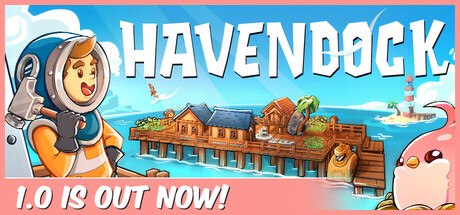
Expand, manage, and explore: The core gameplay loop involves exploration, resource management, and strategic expansion of a floating base. Players gather resources, construct structures, and manage a growing population by fulfilling their needs and researching new technologies. The game features diverse transport options and requires travel between islands for specific resources.
Tech tree drives progression: Players progress through technology trees, unlocking new buildings, upgrades, and resource extraction methods. Research requires strategic prioritization and resource management. Some reviewers note the game lacks comprehensive guides, encouraging experimentation.
Raft survival meets colony sim: The game blends elements of raft survival and colony simulation, tasking players with expanding a floating settlement by collecting resources and constructing buildings. Players gradually grow their community and advance technology to ensure survival on the ocean. Many reviewers compare the game to a mix of Raft and settlement-building games like SimCity.
Manage settlers and automate tasks: Players attract settlers to their settlement, assigning them tasks and managing their needs (hunger, thirst, happiness). Settlers automate tasks, speeding up progress, but manual interaction is still required. New settlers arrive periodically, each with unique traits and requirements for recruitment.
Strategic resource management is key: Resource management is a core element, requiring strategic thinking to optimize usage and maintain efficiency. The game focuses on managing storage, logistics, and prioritizing tasks. Careful resource management is essential to keep the settlement running effectively.
Sound settings are randomly overridden: Players have reported issues with sound settings being randomly overridden. Specifically, voice volume resets to maximum, and music/SFX require readjustment to remain muted. This bug can be disruptive to the player experience.
Falling through piers bug: A bug exists in some locations where players fall through piers into the sea and become stuck. This bug prevents players from progressing and requires a reload to fix.
Low resolution makes text unreadable: Lowering the game's resolution to improve performance can make the text unreadable. This creates a trade-off where players must choose between playability and readability, which negatively impacts the user experience.
Overly sensitive camera rotation: The camera rotation speed when using the right mouse button is too sensitive, making it difficult to control the camera precisely. This can lead to frustration when trying to navigate the game world or view specific areas.
Game mechanics feel 'janky': The game's mechanics are described as 'janky,' which suggests that the controls or interactions within the game feel unpolished or awkward. This can detract from the overall player experience.
Recommendations
Needs more content and polish: Many reviewers feel the game has potential but needs further development, bug fixes, and more content. They are looking forward to future updates and the full release, hoping the developers will address the current issues and expand the game's features.
Single-player preferred; wait for sale: Some reviewers suggest the single-player experience is better than the multiplayer due to bugs and other issues. Some suggest waiting for a sale before purchasing, given the game's current state.
Relaxing, casual colony-building experience: Many reviewers recommend the game for players seeking a relaxing, stress-free colony-building experience with simple mechanics and charming graphics. They highlight the game's suitability for casual play and its ability to provide a calming and enjoyable experience.
Benchmark for the genre: The game is highly recommended as one of the best games played in a long time. The developers have done a fantastic job in making what may well become the new benchmark for this genre.
Worth buying on sale: The game is worth buying when it is on sale.
Other review notes
Early access, evolving game: The game is in early access/beta, with the full 1.0 release anticipated. This status means the game is actively evolving, with potential for significant improvements and content additions over time. Players should expect changes and incomplete features.
Active development, community feedback: The developers actively incorporate community feedback and consistently update the game with new content. This responsiveness suggests a commitment to improving the game based on player input. However, lack of cloud saves is a drawback.
Challenging colony management: The game is a cozy colony-sim with survival elements, but without a fail state. Players may find it challenging to manage villagers and resources, creating a unique gameplay experience where balancing needs and desires is key.
Island setting enables expansion: The island setting provides ample opportunity for expanding the game world with new locations and content. This suggests a potential for long-term replayability and continued engagement as the game evolves. The setting allows for diverse updates.
Diary journal enhances narrative: The game features a diary-style journal that enhances the narrative and player imagination. This journal fills up as the player progresses, adding depth to the story even though it is not strictly linear. It provides a unique way to engage with the game's lore.