Atelier Ryza 3: Alchemist of the End & the Secret Key Review Summary
- Engaging alchemy system and enjoyable story.
- Emotional character relationships and seamless open-world design.
- Vast explorable world and satisfying trilogy conclusion.
- Open world feels empty and map design issues.
- Key system is confusing and gameplay balance problems.
- DX version release issues and unrewarding treasure chests.

Emotions
What players like:
Common complaints:
Gameplay feedback:
Performance notes:
Recommendations:
Other player notes:
- -
No data available
Similar games
Blend with other games 82%Atelier Ayesha: The Alchemist of Dusk DX
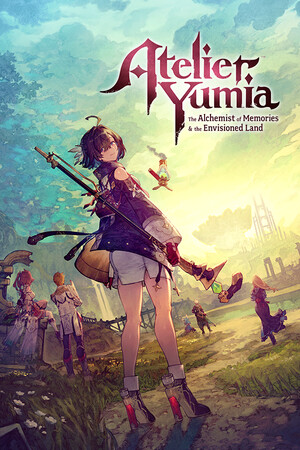 82%Atelier Yumia: The Alchemist of Memories & the Envisioned Land
 82%Crimson Desert
 81%Atelier Sophie: The Alchemist of the Mysterious Book DX
 81%Atelier Sophie 2: The Alchemist of the Mysterious Dream
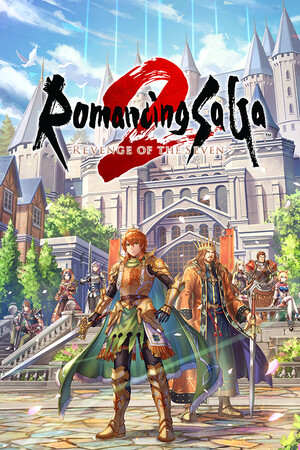 81%Romancing SaGa 2: Revenge of the Seven
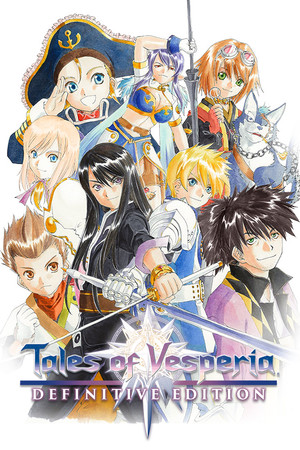 80%Tales of Vesperia: Definitive Edition
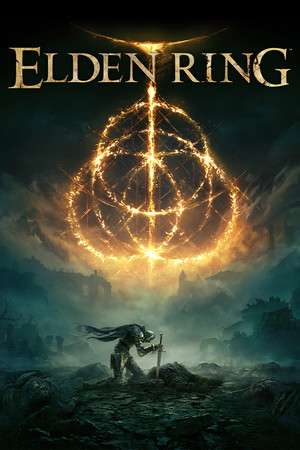 80%ELDEN RING
 80%BIOMUTANT
 80%OCTOPATH TRAVELER II
 80%The Legend of Heroes: Sen no Kiseki II KAI -The Erebonian Civil War-
 80%The Legend of Heroes: Sen no Kiseki III
Review evidence
Why players say this
Review evidence
Why players say this
What players like
Alchemy system is engaging: The alchemy system is frequently praised for being complex, immersive, and enjoyable. Players find it intuitive, well-developed, and central to the gameplay experience.
Well-crafted and enjoyable story: The story is highlighted as well-constructed, enjoyable, and well-paced. It is noted for its excellent world-building and character development.
Emotional character relationships: The game features emotional character interactions and relationships, adding depth to the story and character development.
Seamless open-world design: The game features a seamless open-world map that allows for extensive exploration without loading screens. This design is seen as a significant improvement.
Vast and explorable world: The game offers a large, open world with varied scenery, making exploration fun and engaging.
Common complaints
Open world feels empty: The open world is criticized for being too large and empty, with little to do, making exploration monotonous and boring.
Map design issues: The map is poorly designed, confusing, and poorly detailed, leading to navigation problems and frustration.
Key system is confusing: The key system is criticized for being confusing, cumbersome, and reliant on RNG, making it feel unnecessary and unbalanced.
Gameplay difficulty and balance: The game has issues with difficulty balance, including unbalanced difficulty and repetitive gameplay, making it either too easy or boring.
DX version release issues: The release of the DX version is criticized for being too soon after the original and for charging for content that was promised but not delivered.
Gameplay and performance
Open world design: The game features a large, seamless open world with varied scenery and multiple maps. Players appreciate the continuous exploration and the design of interconnected regions.
Alchemy system centrality: The alchemy system is a core gameplay mechanic, involving crafting, recipe creation, and the use of keys to add new effects. It is easy to learn but offers depth for mastery.
Key system integration: The key system is integrated into alchemy, combat, and exploration, affecting various parts of the game. It unlocks more features as players progress.
Combat system variety: The combat system includes action elements, strategization, and a variety of moves and abilities. It features combos, special moves, and real-time elements.
Character interactions and storylines: Character interactions, relationships, and dialogues are key features. The game includes character-driven narratives and storylines.
Performance optimization on PC: The game shows better performance optimization on PC compared to previous versions, although some players still report issues with high memory and GPU usage.
Technical problems and optimization: Minor technical problems and issues with optimization have been noted, including loading times and occasional stuttering.
Graphical issues with bloom and textures: Some players have reported problems with excessive bloom and brightness, as well as issues with texture quality.
Performance on specific platforms: The game runs better than previous versions on some platforms like the Steam Deck, but there are still issues with GPU usage.
Anti-aliasing issues: The game's anti-aliasing effect is criticized as poor, but players have found that enabling FXAA in the graphics control panel can improve it.
Recommendations
Great for RPG and series fans: This game is highly recommended for fans of long, casual RPGs with extensive cutscenes and voiced lines. It offers a sense of exploration and discovery, making it ideal for those who enjoy open-world exploration and character-driven narratives.
Buy during sales: Many reviewers recommend purchasing the game when it is on sale or discounted. This suggestion is aimed at getting the best value for money, especially for those who are unsure about the game's full price.
Consider other series games: Some players suggest trying other games in the series, such as Sophie 2 or Ryza 2, for a potentially better experience. These alternatives might offer more engaging storylines or improved gameplay mechanics.
Relaxing and engaging gameplay: The game is recommended for those who enjoy a relaxing and engaging gameplay experience. It is particularly suited for fans of niche and relaxing games, offering a pleasant and easy-to-follow story.
Not ideal for new players: This game is not recommended for new players to start with. Reviewers suggest that new players should begin with the first Ryza game or other entries in the series for a better introduction to the gameplay and story.
Extra review signals
Monetization: The reviews indicate a strong sentiment of dissatisfaction with the monetization practices surrounding the game. Key issues include the repackaging and reselling of the game with additional content at a high price, the perception of the game as a cash grab, and the lack of substantial content or value. These practices are seen as predatory and exploitative, leading to a negative player experience.
External guides: The primary user complaints revolve around the complexity and lack of in-game explanations for key mechanics such as the key system and skill tree. Users feel compelled to rely on external guides to progress, which significantly detracts from the gameplay experience. Additionally, there are issues with finding and interacting with certain in-game elements, further necessitating the use of external resources.