- Highly addictive and fun
- Insane synergies and game-breaking combos
- Exceptional replayability and depth
- Poor graphics quality
- Confusing cube and perk descriptions
- Frequent crashes and jankiness
Emotions
Archetypes
What players like:
Common complaints:
Gameplay feedback:
Performance notes:
Recommendations:
Other player notes:
Similar games
Blend with other games




Review evidence
Why players say this
Review evidence
Why players say this
Steam review verdict
Addictive fun with insane synergies, game-breaking combos, and exceptional depth and replayability, but poor graphics, confusing cube and perk descriptions, and frequent crashes and jankiness detract.
What players like
Highly addictive and fun: Players consistently describe the game as very fun and addictive, with engaging gameplay that keeps them coming back. The fun factor is highlighted across many reviews.
Insane synergies and game-breaking combos: Players love the outrageous synergies and combinations that allow them to break the game in creative ways. The interactions between cubes, perks, and curses enable absurdly powerful builds.
Exceptional replayability and depth: The game offers incredible depth and endless replay value, with each run feeling unique due to varied combinations. This is one of the most frequently praised aspects.
Massive content and variety: Reviewers are impressed by the huge amount of content, including many classes, cubes, perks, and curses. The sheer volume of options contributes to the game's depth.
Unique and innovative concept: The game stands out as unique and innovative, with a fresh concept that reviewers find interesting and magical. It offers something not seen in other games.
Common complaints
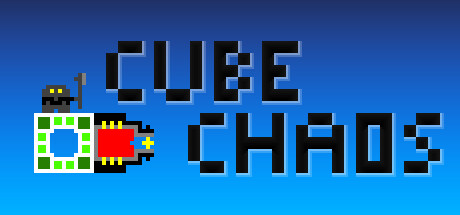
Poor graphics quality: Graphics are described as not pretty, extremely basic, and placeholder-style, with many noting they are as bad as the screenshots. Some players feel the visuals must be looked past to enjoy the game.
Confusing cube and perk descriptions: Players find cube and perk descriptions unclear or baffling, making it hard to understand their effects. This confusion is echoed in card descriptions and item text that lack proper punctuation.
Frequent crashes and jankiness: The game breaks or crashes often, especially during powerful actions, and exhibits general jankiness. This instability frustrates players and disrupts gameplay.
High difficulty and confusion: The game is challenging to create a solid playthrough and can be very hard, with many interacting mechanics that are hard to understand initially. This leads to a slightly confusing experience at times.
Simplistic and unappealing art: The art style is very simplified and the visuals are simplistic, which contributes to the overall negative perception of the graphics. This lack of visual polish is a common complaint.
Gameplay and performance
Cube-centric gameplay: The game revolves around cubes that players place on a battlefield, combining and activating them for various effects. Cubes can duplicate, transform, and produce other cubes, forming the core mechanic.
Roguelike auto-battler structure: The game is described as a roguelike auto-battler with deckbuilding elements and real-time strategy-style fights. Runs feature random discoveries and build variety.
Emergent synergies and combos: Players discover emergent gameplay through unintended combinations of cubes, perks, and effects. Synergies are a key part of creating powerful setups and win conditions.
Deckbuilding and card interactions: The game involves deckbuilding with over 500 cards, effects, and units that have complex interactions. Deckbuilding is a core strategic element, often compared to Noita-like systems.
Perks and curses system: The game features a system of perks and curses that interact with cubes, adding depth and strategic choices. Perks and cubes can be combined for unique effects.
Massive entity counts cause crashes: Many reports describe the game lagging or crashing when large numbers of units, effects, particles, or entities are active. Examples include thousands of bouncy balls, bees, hover texts, and a scenario where 2000+ leaders died in seconds.
Late-game performance degrades severely: As the game progresses, complex cubes, god runs, and heavy perk stacking lead to drastic slowdown and eventual crashes. Performance becomes unplayable in later stages.
Crashes from effect stacking: Multiple effect procs in a single instance, exponential cube placement, or extreme consumable use can cause the game to freeze or crash. This often occurs during battles or after extensive preparation.
Runs well on low-spec hardware: The game is reported to run on very low-spec hardware such as an old laptop, indicating generally low system requirements for basic play.
Hourly PC shutdowns from memory leak: The game can shut down the entire PC about every hour of play, likely due to a memory leak that accumulates over time.
Recommendations
Great value for the price: Reviewers consistently state the game is well worth the money and worth every penny. Many would have paid more.
Try the free demo first: Many suggest playing the free demo to decide if the game is for you, especially if unsure. Some recommend trying the demo before buying.
Appeals to complex build enthusiasts: The game is recommended for players who enjoy deep build-making, complexity, and creating overpowered or weird combinations. It suits those who like tweaking builds to do interesting things.
Strongly recommended by reviewers: Multiple reviewers highly recommend the game, with some saying they cannot recommend it enough. They expect to play for hundreds of hours.
Good for roguelike and strategy fans: Reviewers recommend it to fans of roguelikes and strategy games, particularly those who enjoy strategic choices and complex interactions.
Buying context
Community fair range: $10.00 - $15.00.
Session length: 2.0h.
Cube Chaos tends to click after players clear the initial learning curve, tolerate rough visuals, and unlock more classes, cubes, and perks. A minority finds the progression grindy and frustrating rather than fun.
Reported time to anchor: 3h.
Friction: initial boredom and unappealing starting classes; learning curve for a complex roguelike; simple or programmer-style visuals; tutorial and UI gaps, including right-click functionality; luck-dependent runs searching for key perks; early-game stalemates.
Unlock drivers: unlocking additional races, classes, cubes, and perks through XP; learning effect interactions and synergies; branching out from overpowered units to weaker options; getting past the learning curve and simple visuals.
Player profiles
Combo Deck Architect: Theorycrafts around a theme, drafts cubes and perks, and refines runs into overpowered combo engines. Motivation: To discover and exploit synergistic combinations that snowball into broken or infinite builds. Stance: buy.
Chaos Sandbox Tinkerer: Improvises with random cubes and perks, embraces absurd outcomes, and retries to see what happens. Motivation: To experiment with wild builds and enjoy unpredictable, emergent chaos. Stance: buy.
Systems Complexity Enthusiast: Reads tooltips carefully, maps effect interactions, and tunes builds like a program or redstone circuit. Motivation: To understand and manipulate layered mechanics, numbers, and feedback loops. Stance: buy.
Other review notes
Responsive and active developer: The developer is praised for being responsive to feedback, shipping content updates and balance changes. They are also active on Discord, implementing bugfixes and suggested changes quickly.
Comparisons to deck-building games: The game is frequently compared to Slay the Spire, Magic: The Gathering, and Keyforge for its deck-building and broken deck gameplay. These comparisons highlight its strategic depth.
Frequent updates: The creator updates the game frequently, often with monthly content updates beyond just bug fixes. This consistent updating is appreciated by players.
Good value for low price: Reviewers highlight that the game is low-cost and offers a huge amount of content relative to its price. This makes it a great value.
Steam Workshop mod support: The game has Steam Workshop support, enabling community-created modifications. Some find modding hard to get started with, but the support is impressive.