- Engaging and relaxing gameplay experience
- Unique blend of genres with modern depth
- Polished design with high replayability value
- Overly restrictive gameplay mechanics present
- Game-breaking bugs and glitches reported
- Confusing tutorial and unclear direction issues
Emotions
What players like:
Common complaints:
Gameplay feedback:
Performance notes:
Recommendations:
Other player notes:
Similar games
Blend with other games





Review evidence
Why players say this
Review evidence
Why players say this
What players like
Engaging and relaxing gameplay: Players consistently praise the game's relaxing yet engaging mechanics, blending puzzle and strategy elements. The lack of pressure and casual pacing make it accessible for long play sessions.
Optimization and replayability: Players enjoy optimizing production chains and resource management, with mechanics that are easy to learn but rewarding to master. A scoring system and global rankings motivate replayability.
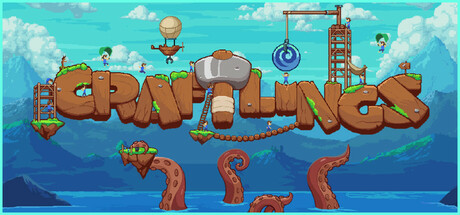
Unique blend of genres: The game successfully merges elements of *Lemmings* and *Settlers*, offering a fresh take on classic mechanics. Players highlight its genre-bending appeal and nostalgic yet modern design.
Polished and detailed design: The game is lauded for its attention to detail, polished indie execution, and thorough refinement. Features like beautiful pixel art, unobtrusive sound design, and clear UI contribute to its quality.
Variety in levels and biomes: Multiple biomes, sandbox-like elements, and scenario-based stages with unique challenges (including bosses) keep gameplay fresh and engaging.
Common complaints
Overly restrictive gameplay mechanics: Players report frustration with strict limitations on human behavior, such as sign placement and low fault tolerance, leading to constant restarts. Villager control is also cited as inefficient, wasting time and effort.
Poor controller and input support: Controller support is lacking or non-functional at release, with players recommending keyboard/mouse for better usability. Click-turning and direction control are described as cumbersome and tedious.
Unintuitive unit and ladder mechanics: Units exhibit unpredictable behavior, such as falling off cliffs or looping on ladders, making gameplay frustrating. Ladder interactions are particularly cumbersome and poorly designed.
Misleading difficulty and genre tags: The game is marketed as 'relaxing' but is perceived as difficult and strategic, with repetitive trial-and-error mechanics. Players note it lacks similarities to farming games like Stardew Valley.
Game-breaking bugs and glitches: Players report severe bugs within minutes of gameplay, including disappearing maps, glitching background layers, and compatibility issues causing crashes.
Gameplay and performance
Puzzle-strategy hybrid mechanics: The game blends puzzle and strategy elements, including redstone-like building, trial-and-error loops, and environmental interactions (e.g., cliffs, water). Players guide Craftlings through challenges with pause functionality.
Level-based strategy progression: The game features a campaign with 12 levels, each offering unique challenges and objectives. Players must optimize resources, manage production chains, and complete quests to progress, with complexity increasing over time.
Production chains and economy: Players build and optimize production chains, progressing through town hall upgrades and biome-specific scenarios. The economy is central to advancing through the game’s 12 stages.
Villager and resource management: Players manage autonomous villagers (Craftlings) and resources, combining elements of *Lemmings* and *Settlers*. Villagers follow sign-based instructions, gather resources, and construct buildings, requiring strategic oversight.
Competitive ranking system: A global ranking system allows players to compare scores, compete in speedrunning, and track time-based replayability. Tutorials provide tips for improving performance.
Missing autosave functionality: Players report frustration with the lack of an autosave feature, forcing them to restart the game after encountering bugs. This disrupts gameplay and increases frustration.
Crashes with Vtube Studio: The game crashes when used alongside Vtube Studio, a popular streaming tool. This limits accessibility for content creators who rely on such integrations.
Unsupported ultra-wide resolutions: Players with 3440x1440 resolution monitors report the game was not tested for this display format, leading to potential visual or performance issues.
Recommendations
Ideal for strategy enthusiasts: The game is highly recommended for players who enjoy optimization, strategy, and trial-and-error gameplay. It appeals particularly to fans of oldschool or genre-savvy players who appreciate deep mechanics.
Not for impatient players: The game may frustrate players who dislike trial-and-error or lack familiarity with the genre. Patience is emphasized as a key requirement for enjoyment.
Tailored stage recommendations: The game offers specific stage suggestions to cater to different playstyles, such as economy-focused or combat-focused players, enhancing replayability.
Appeals to cozy strategy fans: The game is recommended for fans of cozy strategy and economic simulation games, suggesting a relaxed yet engaging gameplay experience.
Community support via Discord: Players are encouraged to join the game's Discord server for tips and tricks, indicating a strong community-driven support system for troubleshooting or guidance.
Other review notes
High anticipation for release: Many players mention the long wait for the game’s release, reflecting strong pre-launch interest and hype. This indicates the game had a dedicated audience before launch.
Nostalgic retro inspiration: Players frequently compare the game to classic titles like Lemmings on the Tandy 3000, highlighting its nostalgic appeal. This suggests the game successfully evokes retro gaming experiences.
Support for solo developer: Players express admiration and support for the solo developer, emphasizing the community’s appreciation for independent game development. This may drive goodwill and engagement.
Similar to Kingdom Two Crowns: The game is often likened to *Kingdom Two Crowns*, indicating it shares gameplay mechanics or aesthetics with this well-known title. This comparison may help players set expectations.