- Excellent sequel, but some prefer the first game
- Relaxing atmosphere with engaging story and characters
- Improved drink mechanics and beautiful pixel art
- Core barista gameplay with expanded narrative
- New item delivery mechanic, some find illogical
- Stable performance, highly recommended for visual novel fans
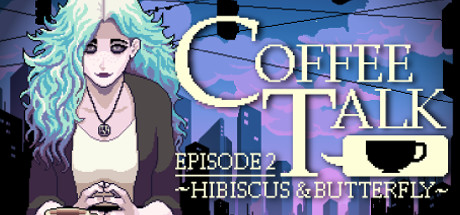
Emotions
What players like:
Common complaints:
Gameplay feedback:
Performance notes:
Recommendations:
Other player notes:
Similar games
Blend with other games



Review evidence
Why players say this
Review evidence
Why players say this
What players like
Excellent and improved sequel: Players overwhelmingly praise the game as a worthy and improved sequel, noting its successful expansion of the original's story, characters, and mechanics while retaining its core charm and atmosphere. Many feel it surpasses the first game in various aspects.
Relaxing and cozy atmosphere: The game consistently delivers a deeply relaxing, cozy, and therapeutic experience, often highlighted by its calming atmosphere, lo-fi music, and ability to provide a comforting escape from reality. Players find it ideal for unwinding and reflection.
Engaging story and characters: The narrative and character development are highly praised, with players appreciating the engaging, warm, and relatable stories of both returning and new characters. The dialogues are noted for their depth and authenticity, making characters feel like real friends.
Well-integrated new characters: The introduction of new characters is well-received, with players enjoying their fresh perspectives and how they seamlessly integrate into the existing world and storylines. The new characters are often described as charismatic and well-designed.
Improved drink mechanics: The expanded drink-making mechanics, including new ingredients, recipes, and drink types, are a significant improvement. Players enjoy the increased variety and how drink choices meaningfully impact the story and character interactions.
Common complaints
Inferior to the first game: Many players felt the sequel's narrative, characters, and overall quality were significantly inferior to the first game. The story was often described as boring, shallow, and lacking the depth and charm of its predecessor, leading to a less engaging experience.
Weak new characters: The new characters introduced in the game generally failed to resonate with players. Many found them less interesting, charming, or well-developed compared to the original cast, with some storylines, like Lucas and Riona's, feeling overly long or unengaging.
Tedious achievement hunting: Players found the achievement system and the requirement to experience all endings, including 'bad' ones, to be tedious and frustrating. This often involved replaying significant portions of the game and intentionally making poor choices, which detracted from the narrative experience.
Flawed barista mechanics: The core barista gameplay, particularly drink making and latte art, received mixed to negative feedback. Players found drink requests vague, the brewing order unclear, and latte art controls clunky and frustrating, hindering the overall experience.
Missing/Underused favorite characters: Players expressed disappointment with the reduced screen time or absence of beloved characters from the first game, especially Freya. The new focus on characters like Jorji was not as well-received, and some fan-favorite subplots, like Aqua and Myrtle's, felt underdeveloped.
Gameplay and performance
Core Barista Gameplay & Impact: The core gameplay revolves around the player acting as a barista, preparing various hot drinks for customers. Drink choices and accuracy directly influence character moods, story progression, and ultimately, the different endings.
Expanded Narrative & Replayability: The game is a direct sequel to the first installment, continuing its narrative and character arcs. It offers a significantly longer story with multiple branching paths and endings, encouraging replayability to explore all outcomes.
New Item Delivery Mechanic: A new item delivery mechanic has been introduced, requiring players to manage and deliver specific items to characters. Forgetting or incorrectly delivering items can lead to different story outcomes, including negative ones, adding a new layer of challenge.
New Characters & Ingredients: The game features a mix of returning and new characters, including mythological beings, who frequent the unique night-time coffee shop. New ingredients have also been added, expanding the drink menu.
Achievements & Game Modes: The game includes an increased number of achievements, encouraging multiple playthroughs. It also features an 'endless mode' and 'challenge mode' for extended gameplay and recipe experimentation.
Stable, no crashes reported: A positive technical aspect highlighted is the absence of game crashes, which contributes to a stable user experience. This indicates good underlying stability.
Widescreen support available: The game offers support for widescreen resolutions, which is a positive for players with wider monitors. This enhances the visual experience for a segment of the player base.
Minor doorbell sound bug: Based on limited and somewhat ambiguous feedback, there might be a minor bug related to the doorbell sound not accurately reflecting the number of entries. This is a very specific and low-impact issue.
Recommendations
Highly Recommended Sequel: Players overwhelmingly recommend the game, especially to those who enjoyed the first installment. It's praised for its relaxing, cozy atmosphere and engaging story, making it ideal for unwinding. Many suggest playing the first game beforehand for a better experience.
Gameplay & Quality of Life Suggestions: Some players suggest using guides for optimal gameplay, especially for achievements or drink recipes. There are also minor suggestions for improving fast mode and drink-making mechanics in future titles.
Ideal for Visual Novel Fans: The game is recommended for fans of visual novels, particularly those who appreciate chill music, nostalgic pixel art, and engaging characters within a laid-back setting.
Consider Waiting for Discount: Some players advise waiting for a discount before purchasing, especially if they are not strong fans of the genre or the series.
Desire for Real-Life Cafe: Players express a desire for the in-game coffee shop to exist in real life, highlighting the immersive and appealing nature of the game's setting.
Other review notes
Direct continuation of first game: Many players view the game as a direct continuation or 'episode 2' of the first Coffee Talk, rather than a standalone sequel. They appreciate the story progression and similar overall experience, suggesting it builds well on its predecessor.
High anticipation for future games: Players are highly anticipating future installments, specifically mentioning 'Coffee Talk Tokyo' and 'Episode 3'. There's a strong desire for more content and continuation of the series.
Highly enjoyable and satisfying experience: Overall, players express strong enjoyment and satisfaction with the game, often playing for extended periods or aiming for completion. The experience is described as warm, beautiful, and emotionally impactful.
Deep emotional and thematic resonance: The game deeply resonates with players by exploring relevant real-world topics and emotions. It's described as a 'healing game' that provides deep, personal connections and encourages reflection on life's complexities.
Tribute to deceased creator: Players express profound gratitude and condolences for the game's creator, Mohammad Fahmi, who passed away. This tragic event has significantly impacted the community's perception of the game and its future.