- Innovative turn-based card-based vehicle combat
- Immersive post-apocalyptic theme and visuals
- Deep deckbuilding with varied customization
- Engaging and addictive roguelike gameplay loop
- Difficulty spikes and excessive RNG dependency
- Repetitive content and slow progression
Emotions
What players like:
Common complaints:
Gameplay feedback:
Performance notes:
Recommendations:
Other player notes:
Similar games
Blend with other games





Review evidence
Why players say this
Review evidence
Why players say this
What players like
Innovative Turn-Based Combat: The game uniquely blends roguelike deckbuilding with tactical car combat, offering innovative mechanics like positioning, movement, and a satisfying sense of speed and impact in a turn-based format. This fresh approach sets it apart in the genre.
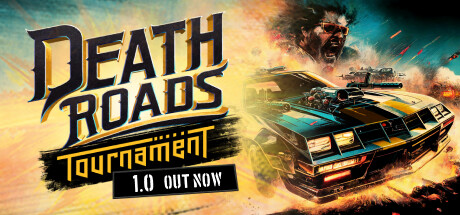
Immersive Post-Apocalyptic Theme: The game excels in its Mad Max-inspired post-apocalyptic theme, featuring excellent art, consistent visual style, and fitting sound design that enhance the immersive experience. The world-building is a standout feature, contributing significantly to player enjoyment.
Varied Customization & Replayability: Players enjoy experimenting with diverse car and driver combinations, along with extensive customization options and unlocks. This variety significantly contributes to the game's high replayability and long-term engagement, encouraging multiple playthroughs.
Deep Deckbuilding Strategy: The game features a well-designed deckbuilding system that requires strategic planning and allows for extensive fine-tuning of car builds. This offers deep tactical choices and rewards thoughtful play, making each battle engaging.
Engaging & Addictive Gameplay: The game offers a highly enjoyable and addictive experience, with many players finding themselves hooked quickly and playing for extended periods, often to completion. Its core loop is compelling and fun, leading to significant player satisfaction.
Common complaints
Unfair Difficulty & Balance: The game features a steep and often unfair difficulty curve, with significant spikes, particularly in mid-game and against the final boss. Players frequently experience sudden, overwhelming damage or instant losses, making progression feel more reliant on luck than skill.
Repetitive Gameplay & Content: Many players find the game becomes repetitive and boring after a few hours, lacking sufficient content, strategic variety, and unique events to sustain long-term engagement. Runs often feel similar, with early and late stages being monotonous, leading to a lack of incentive for continued play.
Excessive RNG Dependency: The game's progression and success are heavily reliant on random number generation, particularly concerning card draws and enemy encounters. This often leads to frustrating situations where runs are ended by bad luck rather than player skill, making the game feel unfair and unpredictable.
Slow & Unrewarding Progression: The meta-progression system is perceived as slow and unrewarding, requiring extensive grinding to unlock new cars, drivers, and parts. Many unlocks feel minor or don't significantly alter gameplay, leading to a lack of a satisfying sense of advancement or character/vehicle customization.
Significant Bugs & Lack Polish: The game is plagued by various bugs, including crashes, black screens, and battle-ending glitches, forcing players to restart. This indicates a general lack of polish, further exacerbated by developer statements implying no future bug fixes.
Gameplay and performance
Card-Based Vehicle Combat: The game is a turn-based, tactical deckbuilder where players control vehicles using cards for movement, attacks, and modifiers. Combat involves strategic positioning and utilizing various card types to defeat opponents.
Diverse Driver & Vehicle Builds: Players unlock and choose from various drivers and vehicles, each offering unique starting cards, abilities, and playstyles. This system encourages experimentation and adaptation across runs, though some combinations may feel unbalanced.
Modular Deckbuilding: Deck construction is integrated with car customization; players swap car components (weapons, engines, tires) which directly add or replace sets of cards in their deck. Gear choices also influence card effects, allowing for diverse builds.
Strategic Skidding & Handling: The game features a 'handling' resource that, when depleted, causes the vehicle to skid uncontrollably, drawing from a separate skid deck. This mechanic can be strategically exploited by players to gain advantages or forced upon enemies.
Roguelike Progression Loop: The game features a roguelike structure with runs where players start fresh, learning from failures to master complex mechanics. Progression involves unlocking new content, though some players note a repetitive mid-game and uneven difficulty spikes.
Performance and stability issues: Players reported various technical problems including game freezes, hangs, black screens, loading delays, and significant lag in specific screens (e.g., settlement screen). Some found offline mode more stable, suggesting potential online connectivity issues.
Average presentation quality: Graphics, overall presentation, and music received average ratings (3/5). This indicates that while not poor, these aesthetic and audio aspects do not stand out as exceptional.
Good low-spec optimization: The game is noted for running well even on low-end hardware, indicating good optimization for a wide range of systems. This is a positive aspect regarding accessibility and performance.
Recommendations
Overall Positive Recommendation: Many reviewers generally recommend the game, often highlighting its good value for the price, especially when purchased on sale. While some initial hesitation or conditional recommendations exist, the overall sentiment leans positive regarding its worth.
For Deckbuilder/Theme Fans: The game is highly recommended for players who enjoy deckbuilding roguelikes, particularly those familiar with titles like Slay the Spire or Monster Train. Its post-apocalyptic, Mad Max-style car combat theme is also a significant draw for fans of that specific aesthetic.
Desire for Future Content: Players express a strong desire for continued development and additional content, such as DLC, more cars, drivers, or harder runs. Some reviewers indicate they would re-evaluate their opinion if significant changes or additions are made.
Multiplayer Mode Desired: Reviewers express a wish for a multiplayer mode, potentially in a sequel to the game. This indicates a desire for social interaction and competitive play within the game's framework.
Other review notes
Stylish Visuals & Art: The game is widely praised for its fantastic, gritty, Mad Max-inspired visual aesthetic, stylish visuals, and cool effects, with car designs specifically highlighted as better than character designs. The overall theme and vibe are considered unique and awesome, contributing to a "wild car ride" feel.
Strong Soundtrack & Atmosphere: The game's energetic music is highly praised for enhancing the post-apocalyptic atmosphere and pumping players up for vehicular mayhem. While some found the music just "ok," the dominant sentiment is positive regarding its contribution to the game's feel.
Varied Playtime Length: Players report a wide range of completion times, from a few hours to over 16 hours, with some beating it quickly by finding winning combos or luck. This suggests variability in player skill or game progression.
Desire for More Randomness: Players suggest adding more randomization to elements like starting placement, enemy decks, and damage values to increase replayability and reduce predictability. They also desire less perfect AI drivers for a more varied experience.
Game Comparisons & Potential: The game is frequently compared to popular roguelike deck-builders like Slay the Spire and FTL in terms of difficulty and potential for long-term engagement. It draws parallels to games like Vampire Survivors for its ability to hook players.