- Engaging core real-time tactical car combat.
- Deep progression and customization systems available.
- Impressive visuals and atmospheric retro-futuristic aesthetic.
- Gameplay loop becomes shallow and repetitive.
- Frequent game-breaking crashes and performance issues.
- Stagnant AI leads to passive combat.
Emotions
What players like:
Common complaints:
Gameplay feedback:
Performance notes:
Recommendations:
Other player notes:
Similar games
Blend with other games




Review evidence
Why players say this
Review evidence
Why players say this
What players like
Engaging Core Gameplay Experience: Players consistently found the game to be fun, interesting, and unique, offering a satisfying core loop that delivers good value for its price. Its easy-to-learn mechanics and 'one more level' appeal contribute to an overall positive and addictive experience, fulfilling the desire for a quality car combat game.
Unique Tactical Car Combat: The game is highly praised for its distinctive and well-executed tactical car combat system. The 'bullet-time' or 'Command Mode' feature, allowing players to slow down or pause for strategic decisions, is a core highlight, enabling both fast-paced action and methodical, satisfying vehicular battles.
Impressive Visuals and Physics: Reviewers frequently noted the game's strong visual presentation, competent graphics, and well-designed environments, especially for an indie title. The robust physics engine creates chaotic, unpredictable, and fun car crashes, leading to spectacular and beautiful explosions.
Deep Progression and Customization: The game features an engaging progression system that allows for meaningful car customization through upgrades in weapons, armor, and technology. Unlocking new characters, selecting perks, and completing challenges add significant depth, replayability, and strategic decision-making to each run.
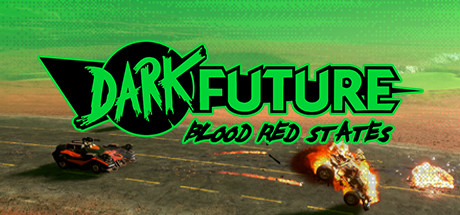
Excellent Board Game Adaptation: Players commend the game as an outstanding adaptation of a Games Workshop board game, praising its faithful recreation of the tabletop experience. It successfully captures the original feel and universe while thoughtfully redesigning mechanics for an enjoyable single-player video game format.
Common complaints
Shallow, Repetitive Gameplay Loop: Players consistently find the game's core gameplay loop, missions, and overall content highly repetitive and lacking in variety after only a few hours. This leads to quick boredom, a feeling of endless grind, and a perception that the game is overpriced for the limited depth and content it offers, especially compared to similar titles. The minimal differences between seasons and campaigns further exacerbate the feeling of repetition.
Frequent Game Crashes & Bugs: The game suffers from pervasive and frequent crashes, particularly at the end of missions, causing significant loss of progress. Players also report various other bugs, performance issues like frame drops, and poor optimization, making the game frustrating and often unplayable due to persistent issues since launch.
Stagnant AI & Combat: The enemy AI behavior is a significant drawback, often leading to combat scenarios where both player and enemy vehicles come to a stop or move very slowly while shooting. This 'shooting in the back' mechanic, combined with enemies designed to stay behind the player, makes combat feel unengaging, exploitable, and boring.
Passive 'Hands-Off' Gameplay: Many players express disappointment that the game feels more like a clicker or stat manager than an active vehicular combat game, as the car largely drives itself. This reduces real-time racing thrills and active driving, limiting player interaction to target selection, lane changes, and occasional boosts.
Ineffective Tutorials & Onboarding: The in-game tutorials are described as lengthy, text-heavy, and ineffective at teaching core mechanics. Furthermore, key game elements like interesting characters and perks are locked behind a long, uninteresting early game, hindering initial player engagement and understanding.
Gameplay and performance
Real-time tactical car combat: The core gameplay blends real-time vehicular combat on a 4-lane highway with tactical decision-making. Players can activate 'command mode' or 'bullet time' to slow down time and issue precise orders for lane changes, weapon usage, and ability activation, while the car mostly auto-drives. This emphasizes strategic thinking over pure driving skills.
Roguelike campaign progression: The game is structured as a roguelike, featuring multiple 'seasons' or short campaigns, each tied to a unique character and vehicle with specific abilities. Progression involves managing fuel and resources, acquiring upgrades, and facing permadeath, though some perks can grant a second chance. Campaigns typically last 2-3 hours and unlock new cars and items.
Varied yet repetitive missions: Missions offer a range of objectives including combat, escorts, destruction, and block-post breaches, sometimes incorporating 'mutators' for added complexity. While there is a 'decent amount' of mission types, some players felt that repeating a limited set of missions became repetitive. Missions are generally tough and short, typically lasting 10-15 minutes.
Limited vehicle customization: Players can customize their vehicles with armor and a selection of weapons for three distinct slots (front, rear, turret), each with cooldowns. Resource management also involves upgrading engine capacity for heavier gear. However, some feedback indicated that customization options beyond basic performance and weapon changes lacked intricate or amusing aesthetic choices.
Draws on niche inspirations: The game's design and setting are heavily influenced by niche sources, including the 'Dark Future' Games Workshop board game, classic roguelikes like Faster Than Light (FTL) and Convoy, and the post-apocalyptic aesthetic of titles like Fallout and Mad Max.
Significant performance issues present: Multiple players reported experiencing poor game performance, stuttering, and difficulty running the game smoothly, even on high-end hardware like a 3080. This indicates a widespread need for optimization as the issues are not isolated to specific hardware configurations.
Achievement unlocks require restart: Steam achievements are tracked in-game but do not automatically unlock; instead, they require the player to restart the game to register. This highlights a specific bug in the achievement unlocking system.
Uses Unreal Engine 4: The game's development utilizes Unreal Engine 4. This is a factual observation from player feedback rather than an actionable point about gameplay or issues, based on limited and weak feedback.
Recommendations
Appeals to Niche Audiences: The game resonates strongly with specific groups, particularly fans of roguelikes, car combat games, and titles inspired by the Mad Max universe or tabletop games like Car Wars and Dark Future. Its blend of tactical decisions and action is appreciated within these niche communities.
Overpriced, Buy Only on Sale: Player feedback consistently suggests the game is not worth its full price due to its current state and content limitations. A strong consensus indicates that it becomes a worthwhile purchase only when offered at a significant discount, often 85-90% off or as part of a low-cost bundle.
Concept Good, Execution Lacking: While the game's core concept and visuals are often praised, its overall implementation frequently falls short of expectations. Players note that the game has much potential but ultimately disappoints due to various shortcomings beyond just technical issues, leading to conditional recommendations.
Frequent Game-Breaking Crashes: Many players report severe technical instability, including frequent game crashes, lost progress, and save corruption. These issues significantly hinder the gameplay experience and are a primary reason for low recommendations, despite some players finding the game otherwise enjoyable.
Some Players Find Enjoyment: Despite the significant criticisms regarding technical issues and price, a segment of players genuinely enjoys the game, sometimes noting it's 'playable as is' or finding specific aspects like its driving mechanics accessible. This positive sentiment is often qualified by an acknowledgment of the game's flaws.
Other review notes
Mixed value and unmet expectations.: Many players acquired the game on sale or via bundles, expressing that they wouldn't pay full price and would have sought refunds if they hadn't played too long. Initial impressions are often lukewarm, with some feeling the game looks better in screenshots than in reality and wishing for a more "fleshed out" experience to justify its existence as a modern vehicle combat title.
Frequent game crashes occur.: Many players report common crashing issues, particularly when starting or exiting missions. While the game's save system often mitigates lost progress by saving between missions, the recurring crashes significantly frustrate players and detract from the overall experience. This is a critical technical flaw.
Gameplay becomes repetitive.: Players find the core gameplay loop becomes "samey" over time, leading to a lack of long-term engagement. There's a strong desire for more varied road designs, strategic depth, diverse character progression, and vehicle customization options to keep the experience fresh and engaging.
Tabletop license underutilized.: The game is an adaptation of an 80s Games Workshop tabletop game, leading to specific expectations from fans. However, some players question its Warhammer affiliation and suggest the game might have been better off as a generic "Mad Max-esque" shooter without the licensing constraints, allowing for more creative freedom.
Poor long-term player engagement.: Achievement statistics reveal low completion rates for tutorials and long-term goals, indicating that many players struggle with initial onboarding or quickly lose interest in sustained play. While some embrace failed runs as a rogue-lite mechanic, the overall picture suggests a challenge in retaining players for extended periods.