- Expanded scale provides deeper gameplay experience.
- Improved graphics and user interface enhance visuals.
- Focus on societal growth and political themes.
- Faction politics and council management are central.
- Lacks original game's charm and atmosphere.
- Widespread performance and stability issues present.
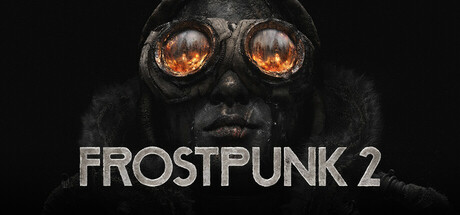
What players like:
Common complaints:
Gameplay feedback:
Performance notes:
Recommendations:
Other player notes:
Similar games
Blend with other games


Review evidence
Why players say this
Review evidence
Why players say this
What players like
Expanded scale, deeper gameplay: The sequel expands in scale and complexity, shifting focus from individual survival to societal management and political intrigue. It retains the core mechanics and atmosphere of the original while introducing new features like factions, expanded research, and deeper political systems. The game emphasizes meaningful choices and long-term consequences, offering increased replayability and a unique experience compared to its predecessor.
Improved graphics and UI: The game boasts improved graphics, a clean and intuitive user interface, and stunning visuals that take advantage of modern hardware. The art style is highly praised, with detailed character designs, cinematic cutscenes, and breathtaking landscapes contributing to an aesthetically pleasing experience.
Immersive atmosphere, excellent audio-visuals: The game features a well-crafted and immersive atmosphere, enhanced by excellent music, sound design, and visuals. The soundtrack effectively conveys the tone and emotional impact of the game's events, while the detailed graphics and dynamic weather effects contribute to a captivating experience.
Focus on societal growth: The game emphasizes long-term growth and societal development, shifting the focus from immediate survival to building a thriving civilization. Players transform small settlements into industrial metropolises, managing resources, political relationships, and the needs of a growing population. The game explores themes of progress, adaptation, and the consequences of choices on future generations.
Generally fun and enjoyable: These points express general positive sentiments about the game, such as it being fun, addictive, and well-optimized. While positive, they lack specific details about gameplay mechanics or features, reducing their overall importance.
Common complaints
Lacks original's charm/atmosphere: Many reviewers express disappointment that Frostpunk 2 deviates significantly from the original. They miss the intimate, desperate survival elements, the impactful moral choices, and the unique atmosphere of the first game. The shift to macro-management, faction politics, and a larger scale diminishes the emotional connection and tension that defined the Frostpunk experience.
Poor UI and building mechanics: The game's UI and building mechanics are frequently criticized for being unintuitive, cumbersome, and lacking clear guidance. Players struggle with complex menus, poor information display, and a lack of control over city layouts. This makes city management difficult and frustrating.
Story mode too short: Several reviews mention that the story mode is too short and ends abruptly, leaving players feeling unsatisfied. The lack of additional scenarios and limited replayability further contribute to the perception of insufficient content. The ending often feels rushed and lacks emotional impact.
Tedious faction/council mechanics: The faction and council systems are criticized for being tedious, repetitive, and lacking depth. Players find it difficult to connect with the factions, and the political mechanics often feel forced or illogical. The need to constantly appease factions can overshadow other aspects of the game and detract from the overall experience.
Becomes too easy, lacks challenge: Some reviewers feel the game becomes too easy after the initial stages, with resources becoming abundant and challenges diminishing. The focus shifts away from survival and towards managing political factions, which some find less engaging. The larger scale and simplified mechanics contribute to a less intense and rewarding experience.
Gameplay and performance
Faction politics and council management: A core mechanic involves navigating a complex political landscape with factions, each having unique ideologies and demands. Players must engage in diplomacy, make promises, and influence council votes to enact laws and policies, balancing faction favor to avoid unrest or civil war. The game even has an integrated Twitch feature that allows viewers to participate in voting for laws.
Interconnected law and research system: The game features a structured law and research system influenced by factions, requiring players to make strategic choices that impact their standing within the council. The tech tree is extensive, with research unlocking bonuses and new buildings, but some choices can irreversibly lock research paths or cause unrest among factions.
Streamlined resource management: Compared to the first game, resource management is streamlined, with a focus on accumulating basic supplies and managing overall satisfaction rather than intricate production chains. The game introduces new resources like oil, but the core gameplay loop still revolves around gathering resources to keep the city heated and meet the people's basic needs.
New gameplay experience: The game presents a new experience within the Frostpunk world, distinct from the first game, requiring players to adapt to new strategies and mechanics. The game retains its rhythmic structure with events that disrupt the player as they progress, and has high replayability due to different paths and outcomes based on choices.
Challenging campaign, impactful choices: The campaign story is structured in chapters with different goals, leading to varied endings based on decisions made throughout the game. The game's difficulty is front-loaded, with early stages presenting interconnected problems, and the late-game challenge revolves around stockpiling enough resources to survive the Bura.
Widespread performance and stability issues: Many players report significant performance issues, including low frame rates, stuttering, freezing, and crashes. These problems occur across a range of hardware configurations, from mid-range to high-end, and often worsen in later stages of the game or with larger cities. Some players have found that lowering settings helps, but others continue to experience issues even on low settings.
Excessive loading and saving times: Many users report long loading and saving times, with autosaves causing freezes that interrupt gameplay. These issues become more pronounced in the later stages of the game, with some players reporting save times of over a minute, even on SSDs. This significantly impacts the overall user experience.
Optimization needs further improvement: Several reviews mention that the game's optimization needs improvement, with some noting that performance has improved since launch due to patches. However, even with these improvements, the game still struggles to maintain stable performance on various systems. This suggests ongoing efforts to address the initial optimization issues.
Upscaling technologies improve performance: Some players have found that using DLSS, FSR, or other upscaling technologies can improve performance, making the game playable at higher settings. However, these technologies may also obscure the game's graphic quality. The effectiveness of these technologies varies depending on the hardware and settings used.
Minor visual and UI glitches: Some players have reported encountering minor visual bugs, UI glitches, and text layout issues. These issues do not appear to be widespread or game-breaking, but they can detract from the overall user experience. Some of these issues persist even after patches.
Recommendations
Generally recommended, manage expectations: Many reviewers recommend the game, citing its engaging gameplay, immersive world, and thought-provoking themes. However, some suggest managing expectations, as it diverges from the original in significant ways. Many recommend playing the first game to understand the lore and context.
Overpriced, lacks content/polish: Many reviewers feel the game is overpriced for the content it offers, citing a lack of replayability, a short story, and performance issues. They recommend waiting for a sale or significant updates before purchasing. Some reviewers mention the game feels unpolished.
Anticipating future DLC/updates: A recurring theme is the anticipation for future DLC and updates to address current shortcomings and expand the game's content. Reviewers hope for more scenarios, deeper story elements, and improved performance. Some reviewers are looking forward to mod support.
Praised for moral, political themes: Reviewers praise the game's complex moral choices, political themes, and thought-provoking narrative. The game is recommended for players who enjoy challenging strategy and political gameplay. Some reviewers note the game focuses more on building an ideal society than on city construction or survival.
Positive change after bug fixes: Some reviewers changed their recommendation to positive after the developers actively addressed bugs and performance issues. Some reviewers appreciate the quality support from the developers. Some reviewers suggest waiting for performance fixes before playing.
Other review notes
Similar setting, different gameplay: Frostpunk 2 retains the original's dark, frozen, post-apocalyptic setting and core survival themes, but introduces significant gameplay and mechanical changes. Some reviewers feel these changes make it a different experience, while others see it as a natural evolution. The game is set 30 years after the first.
Marketing misled player expectations: Some reviewers suggest that the game's marketing as a direct sequel may have led to some negative reviews, as the gameplay differs significantly from the original. This difference in gameplay may not meet the expectations of hardcore fans of the first game.
Future updates and DLC planned: The developers are actively working on the game and plan to release future updates and DLCs. A development roadmap suggests more content and features are planned, with reviewers hoping these updates will address shortcomings.
Focus on society and politics: Frostpunk 2 shifts the focus to managing a larger society with evolved infrastructure, resources, and political factions. Players take on the role of a leader making strategic decisions to maintain control and ensure the city's survival, emphasizing a ruthless approach.
Story mode is uncompelling: The story is lackluster and not a reason to play the game. The single 12-hour campaign is split into chapters that offer a few interesting and meaningful choices.