- Diverse, high-quality minigame collection excels
- Zachtronics-style puzzles offer nostalgic experience
- Bittersweet storytelling enhances emotional immersion
- Poor instructions and tutorials frustrate players
- Excessive difficulty limits audience appeal
- Inconsistent quality across minigames disappoints
Emotions
What players like:
Common complaints:
Gameplay feedback:
Performance notes:
Recommendations:
Other player notes:
Similar games
Blend with other games


Review evidence
Why players say this
Review evidence
Why players say this
What players like
Diverse, high-quality minigame collection: Players consistently praise the variety and quality of the minigames, noting that each feels distinct, polished, and substantial enough to stand alone. The collection offers a mix of difficulties and styles, catering to different preferences.
Zachtronics-style puzzles excel: The game is celebrated for its signature Zachtronics puzzle design, including programming-style challenges, logic puzzles, and innovative mechanics. Fans appreciate the depth, difficulty, and nostalgic callbacks to previous titles.
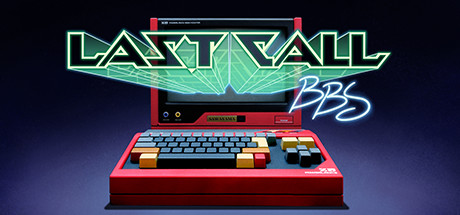
Nostalgic retro computing experience: The game’s CRT filters, dial-up sounds, and DOS-era UI create a deeply nostalgic atmosphere. Players highlight the attention to detail in recreating the feel of early internet culture and computing.
Zachtronics’ farewell emotional: The game is seen as a poignant ‘last hurrah’ for Zachtronics, evoking strong emotional connections among fans. Players reflect on the studio’s legacy and mastery of the genre.
Bittersweet storytelling enhances immersion: The narrator’s stories and melancholic themes add emotional depth, tying the minigames together into a cohesive, nostalgic experience. Players appreciate the pacing and thematic consistency.
Common complaints
Poor instructions and tutorials: Players consistently highlight the lack of tutorials, unclear instructions, or reliance on self-learning, making it difficult to understand mechanics. This is especially problematic for complex puzzles or niche minigames.
Niche appeal limits audience: The game’s reliance on puzzle-solving and lack of accessibility features (e.g., tutorials, magnifiers) alienate casual players or those without prior experience in logic puzzles.
Excessive difficulty and complexity: Many puzzles are described as overly complex, requiring advanced problem-solving skills or even external tools like pen and paper. Some players experience physical discomfort due to the frustration of obtuse or poorly explained mechanics.
Fake download delays ruin immersion: The simulated download times (2-5 minutes per minigame) are widely criticized for disrupting gameplay flow and feeling like an unnecessary gimmick. Players find the waiting tedious and immersion-breaking.
Frustrating design choices in specific games: Certain minigames (e.g., HACK*MATCH, ChipWizard Professional, X’BPGH) are singled out for being unfair, overly restrictive, or reliant on trial-and-error mechanics. Features like space constraints or luck-based elements exacerbate frustration.
Gameplay and performance
Diverse puzzle anthology: The game features a collection of 8-10 mini-games, primarily puzzle-based, with varying mechanics and themes. These include logic puzzles, arcade games, and programming challenges, offering a broad range of gameplay experiences.
Dungeons & Diagrams logic puzzle: A Nonogram-style puzzle game with a dungeon-themed twist, where players deduce wall positions to reveal layouts, featuring infinite mode and unique rules for treasure and enemies.
Gunpla model-building simulator: STEED FORCE Hobby Studio is a detailed model-building simulator where players assemble, paint, and customize Gundam-style models, including cutting, decal application, and advanced painting mechanics.
ChipWizard circuit design: A transistor-level circuit design puzzle disguised as an engineering CAD program, where players optimize spatial layouts using logic gates and wiring, typical of Zachtronics' programming puzzles.
20th Century Food Court automation: This mini-game is a factory optimization puzzle where players design food production lines using circuit programming and spatial mechanics, appealing to fans of Zachtronics' signature programming puzzles.
Frequent game crashes and softlocks: Multiple players report the game crashing unexpectedly, entering crash loops, or softlocking, rendering it unplayable. This appears to be a critical stability issue affecting core gameplay.
Optimized for mid-range hardware: The game runs smoothly on specified mid-tier hardware configurations, such as Intel Core i5-9300H with GTX 1650, indicating good performance optimization for its target audience.
Bug report system inaccessible: Players are unable to submit bug reports due to the system failing to load, hindering feedback and issue resolution for developers.
Slow puzzle game downloads: Players experience long wait times when downloading puzzle game content, which may impact engagement and initial impressions.
Recommendations
Highly recommended for puzzle fans: The game is strongly endorsed for fans of puzzle games, logic challenges, and Zachtronics' style, with many reviews highlighting its depth, variety, and appeal to problem-solvers. It is positioned as an ideal entry point for newcomers to the genre or franchise.
Best for Zachtronics enthusiasts: The collection is frequently recommended as a must-play for existing Zachtronics fans, often described as a 'parting gift' or 'sampler' of the developer's puzzle games. Some suggest it may be the best title in the franchise for its originality and content.
Value depends on price sensitivity: Reviews emphasize the game's strong value at full price for its target audience but consistently recommend waiting for a sale for those unsure or new to the genre. The sheer volume of content is cited as justifying the cost.
Nostalgic retro experience: The retro interface and BBS simulation are praised for evoking nostalgia, particularly for players who missed the original era. This adds a unique thematic layer to the puzzle-solving experience.
Accessible but niche appeal: While the game is easier to get into than some Zachtronics titles (e.g., TIS-100), it is not universally recommended. Some reviews caution it may suit only 'hardcore' players or those with specific interests in logic puzzles or retrocomputing.
Other review notes
Zachtronics' final game release: Players frequently mention this is Zachtronics' last game due to the studio shutting down, creating a sense of finality and nostalgia. The shared universe with previous titles adds emotional weight to the experience.
Fictional alternate computer history: The game explores a unique theme of alternate computer history, including fictional development backstories and hardware like the Z5 Powerlance. This creative worldbuilding is a standout feature for many players.
Narrative depth through memos and lore: Players appreciate the storytelling woven through in-game memos and references to existing universes (e.g., Ghast from EXAPUNKS). This adds immersive context to the puzzles and apps.
Suggested rebranding and Android version: Some players humorously suggest renaming the game (e.g., Hyperfocus Simulator 2000) or express a desire for an Android version, though these are minor or speculative requests.
Hacker-themed intros and aesthetics: Some games within the title feature hacker intros, reinforcing the cyberpunk and retro-computing themes. This detail enhances the thematic consistency for fans of the genre.