- Fun and enjoyable gameplay experience overall.
- Satisfying terraforming and exploration mechanics.
- Enjoyable resource gathering and crafting systems.
- Frequent bugs and performance issues reported.
- Game can become boring and tedious over time.
- Vehicle control and handling problems.
Emotions
Archetypes
Hardware
What players like:
Common complaints:
Gameplay feedback:
Performance notes:
Recommendations:
Other player notes:
Similar games
Blend with other games






Review evidence
Why players say this
Review evidence
Why players say this
What players like
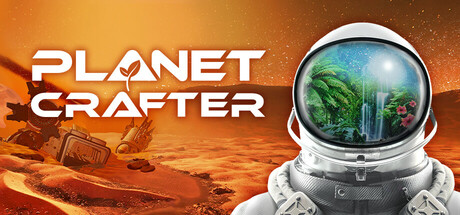
Fun and enjoyable gameplay: The game is widely described as fun and enjoyable, offering a relaxing and engaging experience. Players appreciate the simple yet captivating gameplay mechanics that cater to a broad audience.
Satisfying terraforming process: Players find the terraforming mechanics highly satisfying, as they transform barren planets into lush, habitable worlds. This process is visually appealing and provides a strong sense of progress and accomplishment.
Rewarding exploration mechanics: The game emphasizes exploration, with players frequently noting the joy and satisfaction derived from discovering new areas, resources, and challenges. The world design encourages curiosity and rewards players for their efforts, making exploration a core and enjoyable aspect of the gameplay.
Enjoyable resource gathering and crafting: Players enjoy the resource gathering and crafting mechanics, which are integral parts of the gameplay. These activities are found to be relaxing and satisfying, adding depth to the overall experience.
Enjoyable co-op experience: The cooperative gameplay is highlighted as a significant positive aspect, with players enjoying both solo and multiplayer modes. The collaborative nature of co-op enhances the overall gaming experience.
Common complaints
Vehicle control and handling issues: There are significant issues with vehicle control and handling. Players have reported poor vehicle handling and collision issues.
Game becomes boring and tedious: The game is reported to get boring pretty quickly and can become tedious towards the end. Some players find it monotonous and occasionally annoying.
Frequent bugs reported: Players have reported a variety of bugs, including issues with the rover and map bugs. These bugs are described as irritating and frequent.
Poor and outdated graphics: The graphics are criticized for being cartoonish, poor, outdated, and bland. Some players find the visual style weak and inconsistent.
Excessive grinding required: The game requires a huge amount of grinding to progress, which can be painfully slow. Players report grindy progression, especially in the end-game.
Gameplay and performance
Terraforming and resource management: Core mechanics involve terraforming planets and managing resources like heat, pressure, oxygen, food, and water. This includes base building and crafting.
Open-world exploration focus: The game emphasizes exploration and discovery, including navigation tools, secrets, and adventure elements. Players can explore various environments such as wrecks and different planets.
Crafting and automation: Includes crafting mechanics, automation systems with drones, and resource management for building and survival.
Relaxing and low-stress gameplay: The game offers a calm and relaxing experience with low-stress gameplay, focusing on exploration and building without combat.
Progression and survival mechanics: Features a progression system with visual changes, tech trees, and survival mechanics including hunger, thirst, and oxygen management.
Optimization and performance: The game's optimization is a mixed bag, with some players reporting smooth performance even on older hardware, while others experience lag and FPS drops. This inconsistency affects the game's playability on various systems.
Graphical glitches and issues: Multiple reports highlight various graphical problems, including glitches, texture issues, and inconsistent graphics. These issues affect the visual experience and immersion in the game.
Collision and clipping issues: Numerous reports of collision and clipping problems, where players can glitch through terrain, walls, or other objects. These issues can disrupt gameplay and cause frustration.
Occasional bugs and oversights: Players have encountered occasional bugs and oversights in modeling. These bugs, while not game-breaking, can be immersion-breaking and affect the overall experience.
Game crashes and freezing: There are reports of the game frequently crashing or freezing, which can lead to a poor user experience and potential loss of progress.
Recommendations
Recommended for terraforming and exploration fans: This game is highly recommended for fans of terraforming, exploration, and survival games. It offers a unique experience in shaping and discovering worlds at your own pace.
Relaxing and enjoyable gameplay: The game provides a relaxing and immersive experience, making it perfect for those looking to unwind and enjoy a cozy gaming session.
Highly recommended purchase: Many reviewers highly recommend purchasing the game due to its value and enjoyable gameplay. It is considered worth the price and a great addition to any game library.
Great for survival and crafting fans: The game is ideal for fans of survival, crafting, and base building. It offers a chill and satisfying experience without the stress of PVP or PVE.
Comparison to Subnautica: The game is often compared to Subnautica and is recommended for fans of similar games. It offers a unique underwater exploration and survival experience.
Buying context
Community fair range: $15.00 - $25.00.
Game completion: 1100.0h.
Story completion: 50.0h.
Session length: 10.0h.
The game starts fun with exploration and building, but becomes repetitive and grind-heavy over time. The initial engagement is driven by seeing real-time impacts on the world, but later stages require waiting for resources and points.
Reported time to anchor: 30m.
Friction: Grind-heavy progression; Repetitive tasks; Waiting for resources and points.
Player profiles
Chill Crafter: Casual, relaxed, often multitasking with other activities. Motivation: Relaxation and casual gameplay. Stance: sale.
Terraforming Enthusiast: Focused on terraforming and enjoying the visual changes in the planet. Motivation: Satisfaction from terraforming and visual progression. Stance: buy.
Progression Seeker: Focused on survival, progression, and achieving milestones. Motivation: Sense of progression and achievement. Stance: buy.
Platform notes
The game generally performs well across most hardware cohorts, with high FPS and smooth gameplay reported frequently. However, there are isolated issues such as crashes and the need to disable vertical sync for optimal performance.
Windows <8GB VRAM: positive. Players report the game running smoothly at 120 FPS with no issues on max graphics settings.
Windows 12-15GB VRAM: positive. Mostly positive reviews with the game running well, though there are some reports of crashes.
Windows 8-11GB VRAM: positive. Smooth performance on high settings, but vertical sync needs to be disabled to avoid input lag.
Steam Deck: The game has significant issues on the Steam Deck, particularly with controller support and performance. While some users have had positive experiences, the overall feedback indicates that the game is not well-optimized for the Steam Deck, despite being listed as verified. Co-op experiences also vary, with PC users having a smoother experience compared to Steam Deck users.
Linux and Proton: The game generally runs well on Linux with positive feedback on launch reliability, performance, and overall satisfaction. Some users report stability issues, but these are less frequent and do not significantly impact the overall positive experience.
Extra review signals
Monetization: The overall sentiment from user reviews indicates a positive reception of the game's DLCs. Players appreciate the reasonable pricing, the substantial content added by the DLCs, and the fair practices such as only requiring one purchase for multiplayer access. There are no indications of predatory monetization practices, and users explicitly note the absence of pay-to-win mechanics.
External guides: The analysis of user feedback for 'Wiki Tax' reveals several key themes. The most prominent issue is the heavy reliance on external wikis for learning game mechanics and progression, which many users find disruptive to their experience. Technical issues, particularly game crashes when alt-tabbing, are also a significant concern. Additionally, users frequently mention the need for better in-game guidance on crafting and progression, as well as frustrations with inventory and resource management. These insights suggest that while the game offers a rich experience, there are notable pain points related to external dependencies and technical stability.
Other review notes
Session playtime suggestion: Players suggest adding a feature to track playtime for each gaming session.
Ukrainian localization request: There is a request from players for the game to be localized in Ukrainian.
Building and crafting tips: Players share various tips and notes about building and crafting mechanics within the game.
DLC mentioned: Players have mentioned the availability or desire for downloadable content (DLC).
YouTube channel reference: Some reviews reference a YouTube channel for additional content related to the game.