- Hybrid puzzle gameplay highly engaging and fun
- Charming characters with excellent multiplayer experience
- Visually polished with great soundtrack and audio
- Unbalanced Puyo vs Tetris gameplay mechanics
- Repetitive content with flawed story modes
- Input lag and performance inconsistencies reported
Emotions
What players like:
Common complaints:
Gameplay feedback:
Performance notes:
Recommendations:
Other player notes:
Similar games
Blend with other games








Review evidence
Why players say this
Review evidence
Why players say this
What players like
Highly engaging and fun gameplay: Players consistently praise the game's enjoyable and addictive gameplay loop, highlighting its depth, versatility, and ability to provide fun in both solo and multiplayer settings. The core mechanics are polished and satisfying, making it appealing to a wide audience.
Charming and well-developed characters: Players enjoy the colorful and well-developed cast of characters, which enhance the game's story and overall experience. The characters are seen as a major highlight, adding personality and charm to the game.
Excellent multiplayer experience: The game excels in multiplayer, offering smooth local and online play with a variety of modes. It is particularly well-suited for casual and competitive play with friends or family, fostering a lively and engaging environment.
Visually appealing and polished presentation: The game is praised for its vibrant graphics, cute art style, and clean UI. The visual presentation enhances the overall experience, making it enjoyable to play and watch.
Great soundtrack and audio design: The music and sound effects are highlighted as fun and satisfying, contributing to the game's immersive and enjoyable atmosphere. The soundtrack is seen as a strong complement to the gameplay.
Common complaints
Unbalanced Puyo vs. Tetris gameplay: The game fails to balance Puyo Puyo and Tetris mechanics, leading to one-sided matches and frustration for players. Tetris is often perceived as overpowered or weakened, while Puyo Puyo's RNG and chain mechanics create unfair advantages.
Repetitive and uninspired content: The game is criticized for being a near carbon copy of its predecessor, with minimal new content, a rehashed story mode, and no meaningful improvements to justify its price.
Story and adventure modes are flawed: The story mode is criticized for being repetitive, overly difficult, and lacking meaningful progression. Adventure mode is seen as a forced grind with poorly balanced AI difficulty.
Overpriced for its quality: Players feel the game is overpriced given its lack of innovation, poor online performance, and repetitive content. Many recommend purchasing the first game instead.
Skills system disrupts gameplay: The skills system and Skill Battle mode are seen as forced additions that ruin the core gameplay experience, particularly for players who prefer traditional Puyo Puyo or Tetris mechanics.
Gameplay and performance
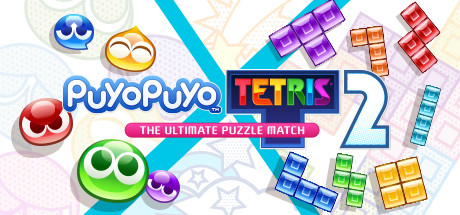
Hybrid Puzzle Gameplay: The game combines Tetris and Puyo Puyo mechanics, offering a unique blend of block-placing and chain-reaction puzzle styles. Players can switch between or merge these modes, creating a dynamic experience.
Balanced but Flawed Mechanics: While the game attempts to balance Tetris and Puyo Puyo, Tetris is often perceived as dominant due to speed or input responsiveness issues. Adjustments like slowed Tetris speed aim to mitigate this but may not fully resolve the imbalance.
Variety of Game Modes: Modes like 40LINE time trials, Big Bang, and Fusion cater to different playstyles, while online leagues and standard rule variations keep gameplay fresh and engaging.
Input Lag Issues: Players report lag and input delay, particularly during Tetris block placement, which negatively impacts gameplay responsiveness and competitive fairness.
Multiplayer Focus: The game emphasizes multiplayer modes, including local and online play, competitive matchmaking, and cross-platform support. Features like ranked ladders and rematches enhance replayability for competitive players.
PC optimization inconsistencies: Some players experience frame drops, memory optimization issues, or performance degradation on certain PC configurations, while others report smooth performance even on older hardware.
Fullscreen and windowed mode bugs: Fullscreen settings fail to save, cause instability, or lead to frame drops. Steam Deck users also report pixelation and crashing issues in windowed mode.
Positive performance on low-end devices: The game runs well on older laptops, handhelds, and big screens, with snappy loads and a lightweight feel compared to other titles.
Responsive offline controls: Players note minimal input lag and responsive controls in offline modes, highlighting a contrast to online performance issues.
Vertical sync and multi-GPU issues: Vertical sync problems and performance quirks on multi-GPU laptops are reported, though solutions like configuration tips exist.
Recommendations
Ideal for Puyo/Tetris fans: The game is highly recommended for fans of Puyo Puyo or Tetris, as well as newcomers looking to improve their skills in either or both games. It serves as a great entry point for beginners due to its forgiving nature and tutorial system.
Offline and casual play recommended: The game is praised for its offline and casual play modes, making it ideal for playing with friends or family. It is also recommended for solo play as a relaxing time-sink for puzzle enthusiasts.
Best purchased on sale: Many players suggest waiting for a significant discount (e.g., 70-75% off) before purchasing, as the game is considered more valuable at a lower price point. This is especially true for casual players or those less invested in the series.
Controller use improves experience: Using a controller, particularly one with separate directional pads (e.g., Nintendo Switch-style), is recommended for a better gameplay experience, especially for those transitioning from console.
Accessibility features praised: The game is commended for its accessibility, including support for colorblind players and a tutorial system that makes it easy for new players to learn.
Other review notes
Fandom and external discussions: Reviews mention fandom activity and external topics like PEGI ratings, which may reflect community engagement but lack direct gameplay feedback.
Japanese language support issues: Players reported problems with Japanese language support in the first game's Steam version, indicating localization or technical issues that could affect non-English speakers.
Console preference over PC: Several players perceive the game as more suitable for console players, suggesting potential optimization or design choices favor consoles. This may impact PC player satisfaction.
Better default keyboard bindings: The game's default keyboard bindings are praised as more intuitive compared to other games like Nioh 2, improving accessibility for PC players.
Mental health benefits noted: Some players highlight the game's positive impact on mental health, suggesting it provides a relaxing or enjoyable experience for stress relief.