- Unique mobile city-builder concept on a giant creature
- Strong development, polished with stunning art
- Onbu management is core gameplay loop
- Repetitive gameplay with limited content
- Frustrating Onbu trust system
- Inefficient villager AI issues
Emotions
What players like:
Common complaints:
Gameplay feedback:
Performance notes:
Recommendations:
Other player notes:
Similar games
Blend with other games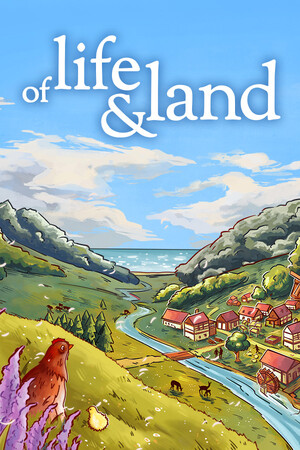





Review evidence
Why players say this
Review evidence
Why players say this
What players like
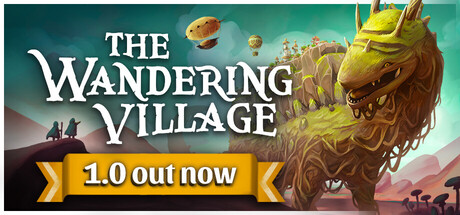
Unique City-Builder Concept: Players consistently praise the game for its innovative and unique take on the city-builder and survival genres, particularly the core concept of building a civilization on the back of a giant, wandering creature. This fresh approach, combined with engaging resource management and adaptation to changing biomes, makes it stand out from traditional titles.
Strong Development & Polish: The game has seen significant improvements and content additions throughout its Early Access period, with players commending the developers for their active engagement, responsiveness to community feedback, and the evident care and polish poured into the game. This continuous development has greatly enhanced the overall experience.
Stunning Art & Atmosphere: The game's visual and auditory presentation is highly lauded, featuring a beautiful, charming, and often Ghibli-esque art style that blends 2D and 3D elements. This, combined with a wonderful soundtrack and immersive sound design, creates a captivating and aesthetically pleasing atmosphere that enhances the gameplay experience.
Flexible Difficulty & Replayability: The game offers a flexible difficulty system, allowing players to tailor the challenge from a relaxing, cozy experience to a demanding survival simulation. This adaptability, combined with replayability through varied biomes and customizable hazards, ensures sustained engagement for both casual and veteran players.
Emotional Bond with Onbu: A standout feature is the deep and emotional connection players form with Onbu, the giant creature carrying the village. The mechanics of caring for Onbu, managing its health and trust, and observing its endearing animations add a unique layer of emotional depth and strategic complexity to the gameplay.
Common complaints
Repetitive gameplay, limited content: Many players found the game to be repetitive and lacking in long-term content, leading to boredom after a few hours. The core gameplay loop, limited tech tree, and lack of diverse events or clear end goals contribute to this feeling. This is a very frequent and specific complaint.
Frustrating Onbu trust system: The Onbu trust system is a major point of frustration. Players report Onbu being disobedient, sleeping in hazardous areas, and a lack of clear UI to understand or influence its trust level. The forced actions that harm Onbu for resources also detract from the experience.
Inefficient Villager AI: Villager AI is consistently criticized for inefficiency, poor pathfinding, and illogical behavior (e.g., idling, not prioritizing food, excessive travel time). This leads to constant micro-management, resource bottlenecks, and frustration, especially with larger populations.
Inconsistent difficulty balance: The game's difficulty balance is inconsistent, with some players finding it too easy even on hard settings, while others struggle on the easiest. The early game can be difficult, but the late game often lacks challenge or becomes frustrating due to resource management.
Resource scarcity and balance issues: Players frequently encounter resource scarcity, particularly food, wood, sand, and iron ore, especially in the mid to late game. This is compounded by limited map space and challenges in sustaining a growing population, leading to frustrating death loops and anxiety.
Gameplay and performance
Onbu Management is Core: The core of the game revolves around managing Onbu, the giant creature the village lives on. Players must balance Onbu's health, trust, and movement with the needs of their village, making critical decisions about symbiosis versus exploitation. Onbu's well-being directly impacts village survival and resource availability.
Mobile City-Building & Survival: The game is primarily a city-building and survival simulation with a unique twist: the city is mobile. Players manage resources, build infrastructure, and develop technologies while constantly adapting to a changing environment and the needs of their villagers.
Dynamic Environment & Adaptation: The game features a dynamic environment where Onbu's constant movement through diverse biomes introduces new challenges and opportunities. Players must continuously adapt their strategies and village layout to changing climates, resources, and random events.
Flexible Food Strategies: Players can adopt specific food strategies, such as relying solely on berries, which reduces water demand but may impact worker efficiency. Diverse food sources can increase efficiency but require more water.
Villager Resource Management: Villagers are central to resource collection and village operations. They gather materials, transport items, and can be sent on exploration parties to find additional resources or new inhabitants.
Excellent performance and stability: Players consistently report excellent performance across various platforms, including PC, Steam Deck, and even Mac. The game is noted for its stability, with very few bugs, crashes, or significant performance issues, even during auto-saves.
Minor lag reported: A small number of players experienced some minor lag during gameplay. This seems to be an isolated issue and not widespread.
Recommendations
Highly Recommended Game: Many players highly recommend the game, praising its unique concept, engaging city-building and survival elements, and overall enjoyment. It's seen as a worthwhile purchase, especially for fans of the genre and those looking for a fresh experience.
Ideal for Specific Genres: The game is specifically recommended for players who enjoy slow-paced, creative survival builders, city-building games with unique elements, and those who appreciate a heartwarming connection with the 'Onbu' creature. It appeals to fans of similar genres like Frostpunk and Stardew Valley.
Suggests New Features: Players suggest several specific features for future development, including map seeds, a character scheduling system, more diverse ecosystems/biomes, a final game goal, varied random events, faction interactions, and even multiplayer options.
Potential Motion Sickness: A specific concern raised is that the game might induce motion sickness in some players. This is a critical point for accessibility and player comfort.
Tutorial Guidance Advice: Players recommend starting with the tutorial but also advise focusing on the settlement's immediate needs rather than strictly adhering to tutorial instructions, suggesting a need for more flexible guidance.
Other review notes
High anticipation for future content: Players are highly anticipating future content, updates, and the full release of the game. Many express a desire for more features, story, and replayability, indicating strong interest in the game's ongoing development.
Deeper Onbu interaction desired: Players have a strong emotional connection to Onbu, viewing it as a beloved character. They desire deeper interactions, more control over its actions, and alternative ways to acquire resources that don't involve harming it. There's also interest in more Onbu variations and environments.
Desire for deeper gameplay mechanics: Players are looking for more depth and variety in gameplay mechanics, particularly in city-building, villager management, and resource acquisition. Suggestions include more building upgrades, diverse ways to attract villagers, and late-game content.
Early Access status noted: Players acknowledge the game is in Early Access, which influences their expectations regarding content and polish. Many are willing to wait for the full release to fully engage with the game, suggesting a positive but cautious outlook.
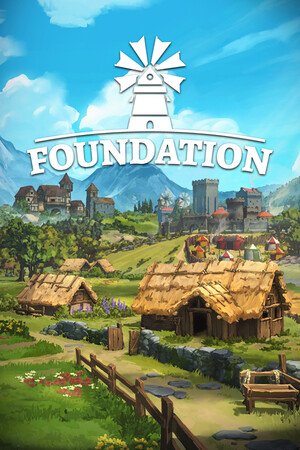
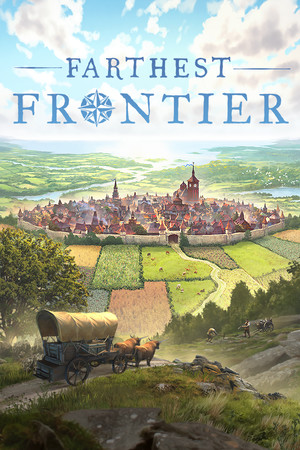
Game compared to other titles: Players compare the game to other titles like 'Cultures,' 'Oxygen Not Included,' and 'Manor Lords,' which helps contextualize its genre and mechanics for potential players.