- Highly praised cooperative roguelike game
- Fun turn-based tactical combat system
- Addictive gameplay loop with high replayability
- Developers abandoned game and unfinished
- Quest requirements and descriptions unclear
- Server connection and matchmaking issues
Emotions
Archetypes
What players like:
Common complaints:
Gameplay feedback:
Performance notes:
Recommendations:
Other player notes:
Similar games
Blend with other games



Review evidence
Why players say this
Review evidence
Why players say this
Steam review verdict
This co-op roguelike offers fun turn-based tactical combat and an addictive, replayable loop, but it's unfinished and abandoned, with unclear quests and matchmaking problems.
What players like
Highly Praised Game: Many reviewers consider this a great, well-made, and fun game. It is frequently described as addictive, enjoyable, and well-designed.
Excellent Co-op Experience: Co-op is a standout feature, with players noting it shines in multiplayer and is highly enjoyable with friends. It works well for coordination and synergizing.
Fun Turn-Based Tactical Combat: The turn-based tactical combat system is praised for being fantastic, satisfying, and allowing for skill expression. Many appreciate the blend of roguelite and turn-based mechanics.
Addictive Gameplay Loop: The core gameplay loop is described as fun and addictive. It keeps players engaged and coming back for more.
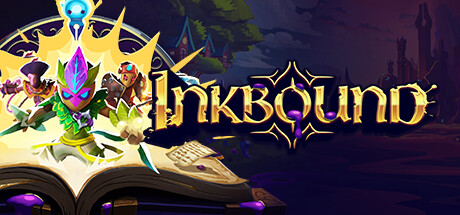
Charming Art Style: The art style is frequently described as interesting, gorgeous, and pleasant. It adds to the overall enjoyable vibe of the game.
Common complaints
Developers abandoned the game: Players frequently report that the game has been abandoned by its developers, with no further updates or support. This sentiment is echoed across many clusters, often noting that development ceased shortly after release or early access.
Quest requirements and descriptions unclear: Quest guidance is frequently criticized as poor, with vague descriptions and unclear requirements that make tasks hard to understand or plan for. This issue is compounded by poor writing and lack of clarity.
Game feels unfinished and incomplete: Many players feel the game is unfinished, with empty class slots, missing features, and a general sense that it is still in early access despite being fully released. This lack of completeness detracts from the overall experience.
Single-player experience is poor: Many players find the single-player mode not enjoyable, often citing it as much harder and less fun than multiplayer. The game is perceived as requiring friends to truly enjoy.
Balance issues persist: The game is criticized for poor balance, both in character abilities and difficulty. Some players note that this has been a problem since early access and remains unaddressed.
Gameplay and performance
Turn-based tactical roguelike: The game is consistently described as a turn-based tactical roguelike with strategy elements. Clusters frequently mention roguelike, turn-based, and tactical mechanics.
Multiplayer co-op support: Many reviews highlight that the game supports co-op multiplayer, often for up to 4 players. Co-op can be played with friends, and some mention 2-4 player support.
Positioning and action points: Combat emphasizes positioning and uses action points for movement and skills. Players move within designated circles and have limited actions per turn.
Roguelite structure with runs: The game features a roguelite structure with runs that are different each time. Build combinations and class selection are key aspects of the roguelite experience.
Multiple playable characters: The game includes multiple characters, each with distinct mechanics and skills. Characters can be unlocked via quests and have customizable skill and relic slots.
Server connection issues: Players frequently lose connection to game servers, and servers periodically act up, blocking lobby access and preventing entry after updates.
China server instability: Official servers lack mainland China nodes, leading to unstable connections and frequent disconnections that make the game nearly unplayable for players in China.
Servers unavailable after tutorial: After completing the tutorial, players are unable to enter the game, and servers appear unavailable.
Graphical issues on older hardware: Players report graphical problems when running the game on older hardware, impacting visual quality and performance.
Runs great on Steam Deck: The game performs well on Steam Deck, providing a smooth and enjoyable experience for users of that device.
Recommendations
Best played with friends: Many reviewers strongly recommend the game primarily for its co-op multiplayer experience and suggest it truly shines when played with friends. Solo play is often described as less enjoyable or not recommended.
Wait for a sale: A recurring piece of advice is to purchase the game only during a discount, as many feel the full price is too high for the content offered. Several reviewers explicitly state they would not recommend buying it at full cost.
Generic positive recommendations: Many reviews offer a simple, unqualified recommendation for the game without providing specific reasons. These reviews contribute to the overall positive sentiment but lack detailed feedback.
Appeals to roguelite fans: Reviewers frequently recommend the game to fans of other roguelites, specifically mentioning Slay the Spire, Monster Train, and Divinity: Original Sin. It is praised for its unique take on the genre and tactical depth.
Positive but with caveats: Some reviewers give a positive recommendation but with reservations, such as concerns about pricing, difficulty finding friends to play with, or the game's abandonment. They recommend it conditionally or with a 'reluctant thumb up'.
Buying context
Community fair range: $15.00 - $25.00.
Game completion: 150.0h.
Story completion: 50.0h.
Session length: 1.0h.
Endgame: 100.0h.
Inkbound becomes fun once its turn-based combat mechanics click, often through an established build or a familiar co-op group; early friction comes from RPG-progression expectations and co-op acclimation.
Friction: Early game frustration for players expecting RPG-style permanent progression; Turn-based co-op takes getting used to; Combat may need a working build before it feels rewarding; Quest, story, and RNG systems create early friction; Class unlocks can feel tedious; Multiplayer scaling and story sync issues.
Player profiles
Co-op Tactical Squad Player: Plays 2-4 player synchronous turn-based runs, discusses builds and relics, and shares rewards to help friends' builds. Motivation: Shared tactical problem-solving and social coordination in 2-4 player runs. Stance: buy.
Solo-First Tactical Roguelite Player: Runs solo runs and solo ranks, often pursuing story or achievements on their own. Motivation: A self-paced tactical roguelite challenge and solo rank progression without scheduling or coordination. Stance: buy.
Hardcore Roguelite Completionist: Optimizes synergies and vestiges, pushes ranked 1-20 difficulty, and grinds long completion goals. Motivation: Mastering complex builds and systems while completing ranked content and long-term goals. Stance: buy.
Platform notes
Steam Deck: The Steam Deck audit finds a largely native and seamless experience. Users consistently praise Steam Deck performance and controller support, with no evidence of Proton Experimental toggles, external launchers, small text, anti-cheat errors, or launch failures. The primary friction points are historical always-online/live-service design and minor technical performance concerns, but the dataset notes that monetization was removed and an offline mode was added, mitigating the main barrier. Overall friction is low.
Linux and Proton: The filtered feedback contains limited Linux/Proton-relevant evidence, but the only SteamOS-related signal is positive: the game reportedly runs great on Steam Deck. Other issues such as technical performance, balance, abandonment concerns, and always-online/lobby preferences are generic and are not explicitly tied to Linux, Proton, Wine, or a native Linux build. No Linux-specific launch failures, anti-cheat blockers, DRM problems, or graphical incompatibilities are reported.
Extra review signals
Monetization: The audit confirms this is a paid game that also sells a real-money premium battle pass and premium currency (Shinies). Reviews report a day-one cash shop and season pass in early access, with one specifically calling the cash shop a FOMO rotating store. These elements pass the real-money gate and show post-purchase monetization. Mitigating evidence is strong: purchases are cosmetic-only, do not make combat easier, and the battle pass can be self-sustaining through earned currency. Because a FOMO rotating cash shop is an aggressive monetization pattern, the game falls in the aggressive range, but it is not pay-to-win or gacha-based.
Other review notes
Microtransactions and battle pass: The game initially included microtransactions and a battle pass, but these were later removed. The battle pass was purely cosmetic and could be purchased with in-game currency.
Compared to Slay the Spire: The game is often compared to Slay the Spire, with reviewers noting similarities and differences in mechanics and depth. It is also likened to other roguelikes such as Hades and Monster Train.
Developed by Monster Train creators: Reviewers frequently note the game is from Shiny Shoe, the studio behind Monster Train, influencing purchasing decisions. This connection to a well-regarded title is a key point of reference.
Achievements require multiplayer: Some achievements necessitate multiplayer participation, which can be problematic for solo players due to low player population. This limits completion for those preferring single-player.
Cosmetic DLC and unlocks: The game offers cosmetic DLCs and many in-game cosmetics to unlock through quests. These are purely optional and do not affect gameplay.