- Engaging survival sandbox experience with high freedom.
- Dynamic NPC interactions and complex relationships.
- Great value for the price; appeals to genre fans.
- Numerous bugs and broken multiplayer experience.
- Unforgiving difficulty; unbalanced, high RNG elements.
- Lacks content and feels unfinished.
What players like:
Common complaints:
Gameplay feedback:
Performance notes:
Recommendations:
Other player notes:
Similar games
Blend with other games






Review evidence
Why players say this
Review evidence
Why players say this
What players like
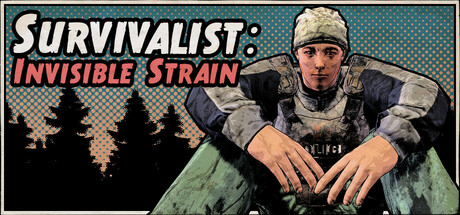
Engaging survival sandbox experience: The game features engaging survival gameplay with base building, resource management, NPC recruitment, and community management. Players can explore a dynamic open world, scavenge for resources, and build settlements while facing challenges like zombies, bandits, and seasonal events. The freedom to choose different playstyles and the emergent storytelling through NPC interactions contribute to a unique and immersive experience.
Dynamic and intelligent NPC interactions: The game features a robust NPC interaction system with unique personalities, relationships, and memories. NPCs react dynamically to player actions and world events, leading to alliances, conflicts, and emergent storylines. This system creates a sense of interconnectedness and makes the game world feel alive.
High freedom and mod support: The game offers a high degree of freedom with character customization, difficulty settings, and extensive mod support. Players can adjust the game to their liking, create custom content, and explore various playstyles. The availability of mods and a built-in cheat system further enhance the player's control over the game experience.
Story and multiplayer modes: The game features both a story mode and a multiplayer mode, offering different ways to experience the gameplay. Multiplayer supports cooperative gameplay, allowing players to share tasks and increase efficiency. The addition of a story mode provides a structured narrative experience, while the multiplayer mode allows for social interaction and collaborative survival.
Improved character and AI: The reviewer noticed improved character development and AI of NPCs, though they remain predictable. The reviewer was able to raise morale with the leader character and 'win the heart' of a character who initially hated them. The reviewer finds the second installment to be superior to the first, particularly praising the improved music.
Common complaints
Unforgiving, unbalanced difficulty; high RNG: The game suffers from high difficulty, especially early on, due to factors like limited resources, strong enemies, and reliance on RNG. This leads to player frustration, a steep learning curve, and frequent restarts. Some reviews suggest the difficulty feels unfair or unbalanced.
Poor NPC AI; illogical behavior: The game's AI is flawed, leading to frustrating experiences. NPCs make illogical decisions, such as wandering into enemy camps or prioritizing personal needs over player commands. This extends to both friendly and hostile NPCs, impacting combat, base management, and overall immersion.
Numerous bugs; broken multiplayer: The game suffers from numerous bugs and glitches that negatively impact gameplay. The multiplayer mode is often broken or unplayable due to lag and synchronization issues. The game also lacks a tutorial, leaving players without guidance.
Lacks content, feels unfinished: Reviewers indicate that the game feels unfinished, citing a lack of end-game content, a boring or absent main story, and a need for more polish. Some reviewers also mention that the game's content feels limited in scope.
Poor graphics, UI, and animations: The game's graphics, animations, and UI are often described as rough, outdated, or awkward. This creates a significant barrier to entry and detracts from the overall visual experience.
Gameplay and performance
Complex NPC personalities/relationships: NPCs possess individual personalities, relationships, and skills that influence their behavior and community dynamics. Players must manage these relationships through recruitment, task assignment, and conflict resolution to maintain a stable and functional community.
Dynamic community interactions: Players can interact with other communities through trade, diplomacy, or warfare, influencing the game world and creating dynamic relationships. These interactions can lead to alliances, conflicts, and opportunities for resource acquisition and expansion.
Varied zombie types and traits: The game features diverse zombie types, each with unique characteristics like speed, strength, and zombification time. These range from common, slow zombies to rarer, more dangerous variants that pose a significant threat, requiring different combat strategies.
"Invisible strain" zombie infection: A unique "invisible strain" zombie virus exists, where infected NPCs appear normal until certain conditions trigger their transformation. This mechanic adds a layer of paranoia and requires players to use tools and observation to identify potential threats within their community.
Base building and resource management: The game features base building and resource management mechanics, including constructing defenses, farming crops, and crafting essential items. Players must gather resources, manage their community's needs, and defend against zombie hordes and raider attacks.
Good optimization, few technical issues: The game demonstrates good optimization, running smoothly on various systems, including Steam Deck and Linux via Proton. Players report few crashes and only minor bugs, even with mods and 4-player co-op. Loading times are also quick, even on HDD.
Graphics are OK, playable: The game's graphics are considered adequate, and it is currently playable in Early Access. These points are vague and don't offer specific feedback.
Lag during large character gatherings: Large gatherings of characters, especially during rainy days, can cause significant lag and performance issues. This creates a slideshow-like experience, negatively impacting gameplay during specific scenarios.
Optimization could be improved: Some players feel the game needs further optimization. Without specific examples, it is hard to determine the exact issues or their impact.
Recommendations
Great value for the price: Many reviewers highlight the game's low price and good value, often recommending it, especially when on sale. They feel the game offers a substantial amount of content and entertainment for the cost, making it a worthwhile purchase.
Appeals to specific genre fans: Reviewers frequently recommend the game to fans of specific genres like zombie survival, post-apocalyptic, RPG, base-building, and strategy games. They often compare it favorably to similar titles like State of Decay, Project Zomboid, and 7 Days to Die, suggesting it fills a niche for players of those games.
Promising future development potential: Many reviewers acknowledge the game's early access status and express optimism about its future development. They anticipate improvements, new content, and expanded modding capabilities, encouraging the developers to continue their work.
Currently raw and buggy: Some reviewers caution that the game is currently raw, buggy, and potentially frustrating, especially for new players. They suggest that it may require significant effort to become enjoyable and may not be worth the hassle compared to more polished survival games.
Try the demo first: Some reviewers suggest trying the demo before purchasing the game to ensure it aligns with player preferences. This recommendation highlights the importance of experiencing the game firsthand before committing to a purchase.
Other review notes
Prioritize key base constructions: Players emphasize the importance of prioritizing specific constructions for resource management, defense, and trade. These include facilities for producing ammunition, food, and essential resources, as well as structures for defense and interaction with other factions. Efficient base management is key to survival.
Early access, solo developer: The game is in early access and is primarily developed by a single person, who is responsive to feedback and provides regular updates. This context is important for understanding the game's current state and potential for future development.
Large map, start strategically: Reviewers recommend using a large map size and starting in late spring or early summer to prepare for winter. Re-rolling the map to reduce zombie spawns and building the base centrally are also suggested for easier resource access.
NPCs, character creation, factions: The game features NPC recruitment, character creation, and faction interaction. Players can recruit NPCs for various tasks, customize their characters, and engage with different factions in the game world, influencing their survival and progress.
Modding and level editor: The game supports modding, creative mode, and has a level editor, enhancing convenience and variety. Steam Workshop support is also available, allowing players to easily access and share mods.