- Encourages creative experimentation with high scores
- Charming humorous characters enhance experience
- Whimsical immersive soundtrack elevates atmosphere
- Innovative card-based mechanics stand out
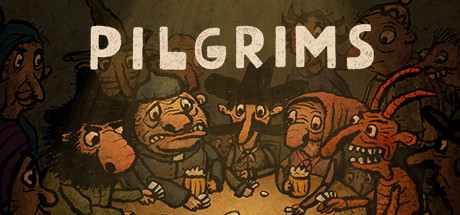
- Stunning hand-drawn art style captivates players
- Limited replayability disappoints after short playtime
Emotions
What players like:
Common complaints:
Gameplay feedback:
Performance notes:
Recommendations:
Other player notes:
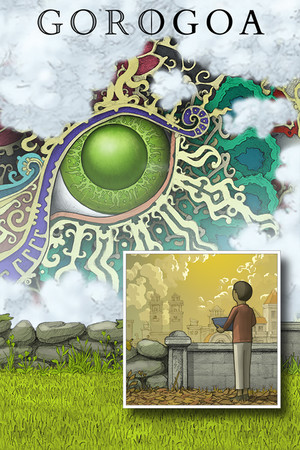
Similar games
Blend with other games



Review evidence
Why players say this
Review evidence
Why players say this
What players like
Encourages creative experimentation: The game rewards players for thinking outside the box, offering multiple solutions to puzzles and interactions. This design fosters replayability and a sense of discovery, as players experiment with character/item combinations and unconventional approaches.
Charming and humorous characters: Characters are consistently described as funny, endearing, and full of charisma, with unique interactions and personalities. Their humorous and often absurd behaviors (e.g., a dragon wanting to cuddle) add depth and entertainment to the gameplay experience.
Whimsical and immersive soundtrack: The soundtrack is described as whimsical, cozy, and dreamy, effectively complementing the game's fairy-tale atmosphere. Players note its ability to enhance immersion, relaxation, and emotional engagement, with specific praise for its warmth and nostalgic qualities.
Innovative card-based mechanics: The card-based inventory and interaction system is highlighted as a standout feature, allowing for creative puzzle-solving and dynamic storytelling. Players enjoy the flexibility and novelty of combining cards to achieve different outcomes and endings.
Accessible and intuitive design: The game is praised for its user-friendly design, including intuitive controls, clear visual storytelling, and minimal language barriers. This accessibility makes it enjoyable for players of all ages and skill levels, including children.
Common complaints
Limited replayability and depth: The game offers minimal replay value, with players noting that achievements or minor path variations do not justify multiple playthroughs. The story and worldbuilding are criticized for staying surface-level.
Puzzles lack challenge and logic: The puzzles are described as easy, repetitive, and reliant on trial-and-error or guessing rather than logical problem-solving. Some players resorted to external help, indicating frustration with the design.
Short playtime disappoints players: The game is frequently criticized for its short duration, often completed in 1-3 hours, leaving players feeling underwhelmed and questioning its value for the price. Many describe it as feeling like a demo or prologue rather than a full game.
Poor price-to-content ratio: Players consistently mention the game's price as too high for its short length and limited content, suggesting it is only worth purchasing on discount. The lack of depth and replayability exacerbates this perception.
Unmet expectations for content: Players express disappointment in the game's lack of ambition, additional maps, or deeper storytelling compared to the developer's previous works. Many expected more content, such as a second chapter or expanded world.
Gameplay and performance
Non-linear puzzle-solving: The game emphasizes multiple solutions to puzzles and objectives, encouraging creativity and experimentation. Players can approach challenges in varied ways, leading to different outcomes and replayability.
Short playtime with replayability: The game is designed for short completion times (1-2 hours) but offers high replay value through multiple endings, achievements, and alternative solutions to puzzles.
Visual and experimental storytelling: The narrative is conveyed through actions, animations, and visual cues without traditional dialogue. Players experiment with interactions to uncover story paths and outcomes.
Non-traditional puzzle design: Puzzles are open-ended and often lack a single 'correct' solution. Players are encouraged to think outside the box and use trial-and-error to progress.
Fairy-tale and dark humor themes: The game blends fairy-tale elements with dark humor, featuring morally ambiguous actions and grotesque character interactions. This adds a unique tone to the narrative.
Strong cross-platform performance: Players report excellent compatibility with Steam Deck, Linux (Ubuntu 22.04), and mid-range Windows hardware (e.g., Intel Core i5-9300H, GTX 1650). Performance is smooth across these platforms.
Stable Unity engine implementation: The game runs without major technical issues or Unity-related bugs, indicating a polished and well-optimized build.
Supports high-resolution displays: The game is confirmed to support 4K resolution on PC, catering to players with high-end setups.
Recommendations
Best purchased on sale: Many reviews emphasize the game's short length and recommend buying it only during discounts or promotions. This reflects a common perception of its value relative to full-price purchases.
Ideal for relaxed, short play sessions: The game is frequently recommended for its lightweight, accessible, and non-stressful experience, making it perfect for quick or casual play. Players highlight its suitability for children, evening relaxation, and short bursts of creativity.
Appeals to creative and artistic tastes: The game is praised for its unique aesthetics, hand-drawn art, and whimsical charm, attracting fans of indie, artistic, and experimental games. It encourages creativity and experimentation with its mechanics.
Great for non-gamers and families: Reviewers highlight the game as an excellent introduction to gaming for non-players or children due to its simplicity, humor, and lack of stress. It is often described as a cozy, family-friendly experience.
Supports independent creators: Some players recommend the game as a way to support indie developers, emphasizing its high polish and distinct charm as a product of independent creativity.
Platform notes
Steam Deck: The game demonstrates excellent compatibility with the Steam Deck, offering a seamless, out-of-the-box experience. Users report no technical barriers such as crashes, unreadable UI, or input issues. The game supports both controller and keyboard/mouse inputs, and its short, replayable nature is well-received. No tinkering or workarounds (e.g., Proton Experimental) are required, aligning with a native experience.
Extra review signals
Monetization: The user feedback indicates dissatisfaction with the game's length and perceived value, with multiple requests for additional content via DLC or expansions. While there is no evidence of real-money microtransactions (e.g., gacha, lootboxes, or pay-to-win mechanics), the complaints about short gameplay duration and calls for paid DLC suggest a potential strategy to monetize content that may have been withheld from the base game. However, the absence of real-money monetization in the reviews limits the severity of these concerns.
External guides: User feedback for *Pilgrims* reveals a mixed experience regarding external data dependency. While players appreciate the game's creativity and the joy of self-guided exploration, they also highlight frustrations with puzzles that lack intuitive design, requiring external guides for solutions. Additionally, the utility of characters and objects is not always clearly communicated, though some users find trial-and-error sufficient. Overall, the game excels in delivering a unique and engaging experience but could improve in reducing reliance on external resources for puzzle-solving.
Other review notes
Accessibility features included: The game supports touch screens and does not require translations, making it more accessible to a broader audience, including non-English speakers.
Refund policy flexibility: Players highlight the ability to request refunds even after completing achievements, suggesting a player-friendly approach to purchases.
Cosmetic shop for customization: A shop for icons and backgrounds is available, allowing players to personalize their experience with in-game cosmetics.
Board game adaptation announced: An upcoming board game adaptation is mentioned, which may appeal to fans of the original game or tabletop experiences.
Character design comparison: A character is likened to Bender from *Futurama*, suggesting a humorous or distinctive art style that resonates with players.