- Weapon system praised for originality
- Soundtrack receives high acclaim
- Pixel art is highly praised
- Checkpoints too sparse
- Weapon durability system frustrates
- High difficulty and frustration

Emotions
Archetypes
What players like:
Common complaints:
Gameplay feedback:
Performance notes:
Recommendations:
Other player notes:
Similar games
Blend with other games






Review evidence
Why players say this
Review evidence
Why players say this
Steam review verdict
Original weapon system, acclaimed soundtrack, and praised pixel art are marred by sparse checkpoints, frustrating weapon durability, and punishing difficulty.
What players like
Weapon system praised for originality: The weapon system is noted as original, interesting, and fun, with a wide variety of melee weapons and unique stats. Weapon forging and sharing add depth.
Soundtrack receives high acclaim: The soundtrack is frequently praised as spectacular, catchy, and excellent, with some noting 8-bit remixes. Music contributes significantly to the positive experience.
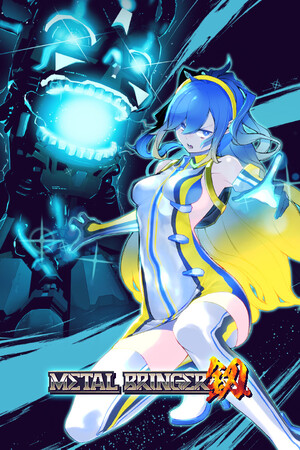
Pixel art is highly praised: Multiple reviews highlight the fantastic pixel art, often with an anime or retro 8-bit vibe. The art style is consistently a standout positive feature.
Game is fun and well-made: Reviews describe the game as good, fun, magnificent, and well-made, with beautiful graphics and cinematics. Overall satisfaction is high.
Action platformer gameplay enjoyable: The platforming is described as fun, rewarding, and snappy, making it an attractive action platformer. Controls feel good and gameplay is satisfying.
Common complaints
Checkpoints too sparse: Checkpoints are far apart with only two or three per level, and activating them often requires sacrificing a weapon. This leads to frustrating restarts and long replay sections after death.
Weapon durability system frustrates: Weapons break easily and the durability mechanic is tedious, making unique weapons wear out and thrown weapons break quickly. This system also forces weapon sacrifices for checkpoints and saving, adding frustration.
Gameplay repetitive and monotonous: The game is extremely repetitive and too long, with boring and slow gameplay that becomes monotonous quickly. Levels are long and boring, lacking variety.
Weapons lack meaningful differences: All weapons function the same, with the same thrust attack and no combos or charge moves; only range or length matters. Hundreds of weapons are just cosmetic reskins, making weapon variety superficial.
Pit deaths force long replays: Falling into pits sends you far back to distant checkpoints, and enemies or traps often knock you in. This forces replaying long sections, especially with instant death spikes.
Gameplay and performance
Weapons degrade and break: Weapons have a durability stat and break after repeated use. They can also be intentionally broken or thrown for special effects, making them consumable resources.
Mech piloting gameplay: Players control a mech and can exit to pilot a character. The mech has a punch attack and other abilities, while the pilot has grappling sections.
Retro 8-bit visuals: The game features NES-style graphics and audio, honoring retro classics like Mega Man. Its pixel art appeals to fans of vintage platformers.
Checkpoints require weapon sacrifice: Activating checkpoints requires sacrificing one of your weapons, which adds strategic depth to resource management. This is a unique mechanic that forces players to decide between saving progress and keeping their arsenal.
Weapon breaking unleashes spells: Weapons can be broken or thrown to unleash spells or amplified damage, encouraging players to use them as offensive tools. This adds a tactical layer to combat since destroying a weapon consumes it permanently.
Game fails to launch: The game does not start when attempted, and it also fails to run on the Retroid Pocket 5. This prevents players from accessing the game entirely.
Intermittent crashes and stutters: Players experience occasional crashes, especially during ground smashes, and stutters in levels before the end. These issues disrupt gameplay flow.
Input-lag and recognition issues: The game suffers from input-lag and buggy input recognition, which can make controls feel unresponsive. This affects player precision and enjoyment.
Hitboxes are inaccurate: Players report hitbox issues, likely causing unfair hits or missed connections during combat. This affects gameplay fairness.
Performance concerns on older systems: There is a general concern that performance may not be great on older hardware. This could limit accessibility for some players.
Recommendations
Wait for a sale: Multiple reviewers suggest waiting for a discount before purchasing the game, citing its high price relative to its content and value. This sentiment appears across several clusters, indicating a consistent opinion that the game is not worth the full price.
Mixed feelings on value: Some reviewers question the game's value at full price, suggesting it may be better suited for budget buyers or deep discounts. This indicates uncertainty about whether the game offers enough content to justify its cost.
Recommended for retro fans: The game is frequently recommended to fans of classic retro platformers like Mega Man and Castlevania, who appreciate the nostalgic feel and 8-bit style. This positive reception among retro enthusiasts indicates the game successfully taps into the genre's appeal.
Recommended for 2D action platformer fans: Many reviewers recommend the game to players who enjoy 2D action platformers, especially those who are not seeking a hardcore challenge. The game's mechanics and gameplay style seem to resonate well with this audience.
Strong recommendation from fans: Several players gave the game a strong thumbs up, calling it a must-play or definitely worth giving a shot. Their enthusiasm suggests the game has strong appeal for certain audiences, particularly retro platformer enthusiasts.
Buying context
Community fair range: $10.00 - $13.00.
Story completion: 8.0h.
The game never becomes fun for most players, who report constant boredom, repetition, and frustration from the beginning through the lengthy stages.
Friction: slow movement speed; repetitive and uninspired enemy designs; unfair difficulty spikes and cheap deaths; long and tedious stage length; sparse checkpoints with limited lives; poor tutorial that fails to explain key mechanics.
Player profiles
Retro Nostalgia Purist: Methodical, pattern-learning, embraces punishment. Motivation: Nostalgia and authentic retro challenge. Stance: buy.
Disappointed Quality Seeker: Precision-oriented, intolerant of input issues. Motivation: Seeking refined, fair platforming experience. Stance: deep sale.
Achievement Hunter: Exploit-oriented, speedrun-like, seeks efficiency. Motivation: Achievement completion and mastery. Stance: sale.
Other review notes
Frequently compared to Mega Man: Many reviewers compare the game to classic Mega Man titles, noting similarities in stage design, structure, and gameplay. Some also mention Castlevania, Blaster Master, and other NES classics.
Retro NES-era design influences: Reviewers highlight the game's deliberate recreation of NES-era platformer mechanics and design decisions, often comparing it to classics like Mega Man and Castlevania. Some criticize it for being too clunky or borrowing outdated elements.
Game length around 3-4 hours: Several reviewers note that the main campaign is relatively short, lasting about 3 to 4 hours on normal mode. Some also mention that additional modes and content extend playtime.
Custom weapon forging system: The game includes a blacksmith mode where players can design custom weapons with dot art and stats, and share them with other players. This adds creativity and community interaction.
Compared to Shovel Knight and others: Reviewers compare the game to Shovel Knight, The Messenger, Blazing Chrome, and other indie titles, either as similar quality or as alternatives. Some note that these games execute similar concepts better.