- Deep town building and customization
- Relaxing and cozy atmosphere
- Charming and likeable characters
- Excessive grinding dominates gameplay
- Game feels abandoned by developers
- Unfinished story and lack of conclusion
Emotions
Archetypes
What players like:
Common complaints:
Gameplay feedback:
Performance notes:
Recommendations:
Other player notes:
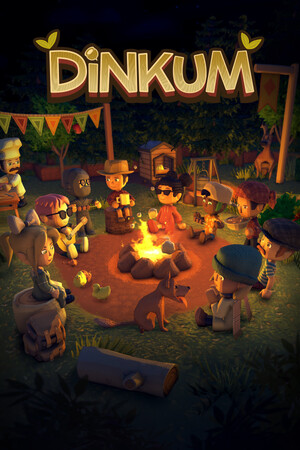
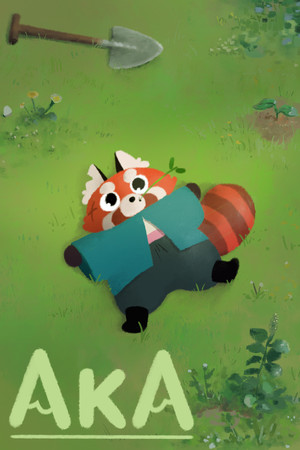
Similar games
Blend with other games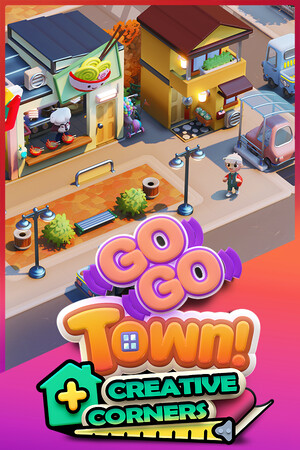







Review evidence
Why players say this
Review evidence
Why players say this
Steam review verdict
Charming, cozy town-building with likable characters, but heavy grinding, abandoned development, and an unfinished story keep it from feeling complete.
What players like
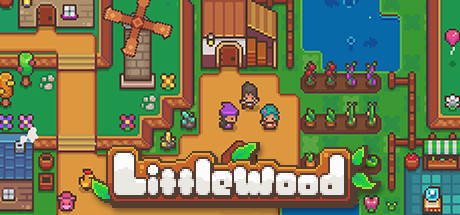
Deep town building and customization: Players can build and customize their own town from scratch, including terraforming, placing buildings freely, and decorating with furniture. This creative freedom is a core appeal, letting players design unique towns and help rebuild other places.
Relaxing and cozy atmosphere: The game is widely described as chill, cute, and relaxing, with no pressure or time limits. It's perfect for unwinding and playing at a low-energy pace.
Charming and likeable characters: Many reviewers find the characters endearing, cute, and enjoyable. The cast adds charm and personality to the game.
Cozy and cute aesthetic: The game's extremely cozy, cute, and fun vibe is frequently highlighted. The overall aesthetic contributes to a pleasant and comforting experience.
Unique and interactive NPCs: NPCs are distinct, adorable, and have different personalities. Players enjoy getting to know townsfolk through daily interactions and discovering their backgrounds.
Common complaints
Excessive grinding dominates gameplay: A significant portion of the game is described as pure grinding, especially in the endgame. Players feel that 80-90% of the experience is repetitive grinding.
Game feels abandoned by developers: Multiple reviews indicate that the developers have abandoned the game. This contributes to a sense of incompleteness and lack of support.
Game abandoned and incomplete: The game is perceived as abandoned and unfinished, with many planned features unimplemented. This leads to an overall incomplete experience.
Repetitive gameplay and achievements: The game becomes quite repetitive over time, especially when pursuing achievements. Achievements often require repetitive tasks like grinding resources.
Unfinished story and lack of conclusion: Many players report that the story feels incomplete and lacks a satisfying ending. The narrative builds up but never delivers a real payoff.
Gameplay and performance
Town-Building Core Gameplay: The game is fundamentally a town-building experience where players construct and customize their town. Clusters consistently describe it as a cozy city builder or village-building simulation focused on growing a village into a city.
Action-Based Time Progression: Time passes only when the player performs actions, not based on a real-time clock. This action-based time system is a defining mechanic highlighted across many clusters.
Stamina-Driven Daily Activities: A stamina system limits daily activities, with the day length tied to energy spent on tasks. Stamina and time are essentially the same resource, and the day ends when energy is depleted or the player sleeps.
Card Minigame Included: A card minigame, often referred to as Tarott Monster, is included. It is a simple card battling mini-game that tests the player's brain against opponents with deck choices.
Farm and Life Simulation: The game is also a farm and life simulation, featuring farming, mining, decorating, cooking, and fishing. It combines cozy farming sim mechanics with life simulation elements.
Excellent optimization and performance: Several clusters report that the game runs smoothly with high frame rates even on low-end hardware, and it is highly optimized with no lag or crashes. System requirements are minimal, allowing it to run on almost any device.
No bugs encountered: Players report a bug-free experience, with no issues encountered during gameplay. This suggests a stable release.
Game-breaking blank screen bug: A severe bug causes a blank screen, rendering the game unplayable. This is a critical issue that needs immediate attention.
Controller and Steam Deck issues: Players experienced problems using controllers and Steam Deck, including inability to move with the d-pad and unresponsive buttons for turning chairs. This hinders gameplay on those platforms.
Blocky and unclear graphics: Despite supporting 4K resolution, the graphics appear blocky and are hard to distinguish, leading to a poor visual experience. This may impact overall enjoyment.
Recommendations
Stardew Valley and Animal Crossing comparison: Many reviewers compare this game to Stardew Valley and Animal Crossing, recommending it to fans of those games. It is often described as a more relaxed and simpler alternative, though some note it is not a direct clone.
Relaxing and chill experience: Players frequently highlight the game's relaxing and stress-free nature, ideal for unwinding. It appeals to those who find other life sims too intense or time-pressured.
High recommendations overall: A large number of reviewers highly recommend the game, often with enthusiastic praise. Some mention recommending it to friends.
Worth the price: Many reviewers find the game worth its price, especially at full price or with a discount. Some recommend waiting for a sale.
Mixed or caveated recommendations: Some reviewers recommend the game but with caveats, such as tempering expectations or noting disappointments. Others do not recommend it in its current state.
Buying context
Community fair range: $15.00 - $25.00.
Game completion: 45.0h.
Session length: 5.0h.
Endgame: 20.0h.
Littlewood is repeatedly described as very fun early, with a strong hook and satisfying early progression, but many players report that the fun fades in mid-to-late game as grind, tedium, and unbalanced rewards set in.
Friction: Slow start for some players; First-hour uncertainty about whether they will like it; Daily energy management can cause frustration; Repetitive villager dialogue; Repetitive daily activities and grind.
Unlock drivers: Late-game perks help with managing energy; Midgame workshop tier upgrades grant powerful permanent buffs like perfect tavern dishes and double planks.
Player profiles
Cozy Low-Attention Escapist: Plays in short, relaxed sessions, often while listening to videos or podcasts, without rushing objectives. Motivation: To unwind in a cheerful, consequence-free world with minimal pressure. Stance: buy.
Achievement-Hunting Completionist: Repeats resource gathering, skill leveling, and daily routines over many hours to clear achievement and completionist goals. Motivation: To complete achievements and reach 100% completion, finding satisfaction in long-term grind milestones. Stance: buy.
Life-Sim Genre Veteran: Approaches the game through genre comparisons, focusing on town layout, interior design, villager requests, and relationship building. Motivation: To scratch a familiar life-sim itch with streamlined town building, villager relationships, and collection systems. Stance: buy.
Platform notes
Steam Deck: The sampled Steam Deck feedback shows the game is generally playable on Deck and includes a Linux native build, with one user completing it without bugs. However, controller input required manual remapping via the Steam Deck configuration tool, indicating tinkering friction. A fragmented report also notes Steam Cloud Save not working, though the evidence is limited. No Proton Experimental toggles, external launchers, anti-cheat errors, or readability complaints appear in the sample.
Linux and Proton: The available evidence is strongly positive for Linux and Steam Deck compatibility. The game has a native Linux ELF64 binary, appears normally on an Arch Linux Steam installation, and was completed on Steam Deck without issues or bugs. No Linux-specific launch failures, Proton tweaks, anti-cheat/DRM blockers, or performance problems were reported.
Extra review signals
External guides: The audit identifies Tier 1: The Grinder as the primary Wiki Tax category. The strongest evidence is explicit reliance on the wiki for rare random drop locations and a description of the game as a grindy, unforgiving wiki game. A recipe lookup is a secondary Tier 2 signal, but the strict priority rule selects Tier 1 and yields a score of 100.
Other review notes
Frequent Stardew Valley comparison: Many reviewers compare the game to Stardew Valley, often noting similarities in genre and vibe but also pointing out differences in depth and execution. The comparison is a common reference point for players seeking similar life-simulation and farming experiences.
Animal Crossing similarities noted: Several clusters highlight comparisons to Animal Crossing, with some reviewers feeling the game leans more toward Animal Crossing than Stardew Valley. The game is often described as a blend of Animal Crossing and Stardew Valley mechanics.
Game abandoned by developers: Multiple clusters indicate that the game has been abandoned by its developers, with no future DLC or updates expected. This is a significant concern for players regarding ongoing support.
Relaxing with no time pressure: Reviewers frequently mention that the game removes time pressure and anxiety compared to Stardew Valley, making it more relaxing. This is a key differentiator that appeals to players seeking a chill experience.
Early access and incomplete: Reviewers note that the game is in early access and not yet complete, with some reviewing at version 0.97. This suggests the game is still under development.