- Improves aiming skills
- Highly customizable training scenarios
- Free to play access
- High subscription costs
- Performance and technical issues
- Poor UI design and navigation
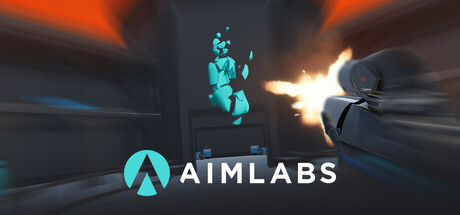
Emotions
Archetypes
Hardware
What players like:
Common complaints:
Gameplay feedback:
Performance notes:
Recommendations:
Other player notes:
- -
No data available
Similar games
Blend with other games






Review evidence
Why players say this
Review evidence
Why players say this
What players like
Improves aiming skills: The game is highly regarded for its ability to improve various aspects of aiming, including accuracy, reaction time, and consistency. Players report significant improvements in their aim, especially in first-person shooter games.
Detailed statistics and analytics: The game offers detailed statistics, performance tracking, and analytics, which help players understand their progress and areas needing improvement.
Free to play: The game offers a substantial amount of content for free, making it accessible to a wide range of players. The free version is considered effective and useful for improving aim.
Identifies weaknesses and strengths: The game provides tools and scenarios that help players identify their specific weaknesses and strengths in aiming. This allows for targeted practice and improvement.
User-friendly interface: The game features an easy-to-understand and intuitive interface, making it accessible and simple to use for players of all skill levels.
Common complaints
High subscription costs: Users frequently mention that the subscription model is expensive and not worth the cost. The high cost of premium subscriptions and the perception of excessive paywalls are common complaints.
Performance and technical issues: The game suffers from various performance issues, including slow loading times, frequent crashes, and high system load. These technical problems significantly impact the user experience.
Poor UI design and navigation: The user interface is widely criticized for being confusing, overwhelming, and hard to navigate. Many users report that the UI is not only aesthetically unpleasing but also functionally problematic, with issues such as lag and poor design.
Excessive subscription ads: Users are bombarded with advertisements for subscriptions, which clutter the UI and disrupt the gaming experience. The constant reminders and prompts to buy premium memberships are particularly annoying.
Repetitive and boring tasks: Some tasks in the game can feel repetitive and boring, leading to a lack of engagement. Users report that the repetitiveness detracts from the overall enjoyment of the game.
Gameplay and performance
Comprehensive aim training: The game offers a wide range of training exercises focused on improving aim, including flicking, tracking, reaction time, precision, and target switching. These exercises are designed to enhance fundamental skills necessary for competitive gaming.
Customizable training scenarios: Players can customize their training environments and scenarios to suit their specific needs. This includes adjusting settings for different games, personalizing training routines, and creating game-specific scenarios.
Mouse control and sensitivity adjustment: The game provides tools and exercises for improving mouse control and adjusting sensitivity settings. This includes sensitivity calculators and auto-sens detection features to help players find their optimal settings.
Performance tracking and statistics: Advanced performance analysis and statistics tracking are available to help players monitor their progress. Detailed statistics and feedback are provided to track improvements in various skills.
Rank improvement and competitive modes: The game includes ranked modes and progression systems to help players improve their ranks in competitive games like Valorant. This feature is aimed at enhancing the competitive experience.
Slow loading times and issues: Many players report slow loading times, long wait times, and high system load during loading screens. Some experience infinite or never-ending loading screens.
Smooth performance on most PCs: The game is reported to run smoothly on most PCs, with good optimization and lightweight system requirements, making it accessible on a wide range of machines.
Frequent crashes and freezes: Players experience frequent crashes and game freezes. Some mention that the game no longer crashes after certain updates, but crashes remain a common issue.
Numerous bugs reported: The game is reported to have several bugs, including issues with searching playlists and other technical problems that affect gameplay.
High-end PC requirements: Some players find the game too demanding for their PCs, indicating that it may require high-end hardware for optimal performance.
Recommendations
Recommended for competitive shooters: Aimlabs is highly recommended for players who are serious about competitive FPS games. It is considered essential for those looking to improve their skills in this genre.
Improves aim with consistency: The tool is worth using for players who want to improve their aim consistently. It is recommended for those who want to see a noticeable difference in their aiming skills.
General recommendation to try: Many users recommend trying Aimlabs to everyone, especially those who want to improve their gaming skills. It is suggested to start with the free training to evaluate the platform.
Use as a training tool: Aimlabs is recommended as a complementary training tool. It can be used for warm-up before playing shooter games and combined with real matches for better results.
Customizable and configurable: The tool is configurable according to the game you want to practice. Users can customize settings for their specific games and use it for specific training with preferred guns and abilities.
Buying context
Community fair range: $10.00 - $20.00.
Session length: 1.5h.
Aim Labs starts as a repetitive and boring training tool, but becomes engaging and fun as players see their progress and improvements over time.
Reported time to anchor: 2h.
Friction: repetitive tasks; boring initial experience; confusing UI.
Unlock drivers: seeing scores and rankings climb; detailed analytics; constant feeling of progression.
Player profiles
Dedicated Grinder: Structured and consistent practice routines. Motivation: Improving mechanical skills and performance in competitive shooters. Stance: buy.
Warm-Up Warrior: Short, focused practice sessions before playing other games. Motivation: Preparing for competitive matches and maintaining peak performance. Stance: buy.
Casual Gamer: Prefers traditional game modes and multiplayer fun over repetitive training. Motivation: Seeking entertainment and enjoyment in gaming. Stance: no buy.
Platform notes
The game generally performs well on Windows systems with less than 8GB VRAM, though there are some reports of low FPS on lower-end hardware.
Windows <8GB VRAM: positive. Mostly runs well, but some lower-end setups experience significant FPS drops.
Steam Deck: The analysis of user feedback reveals significant issues with the performance, stability, and offline mode functionality of the software. Users frequently report severe lag, crashes, and difficulties launching the application. Additionally, the offline mode is reported to be non-functional, and there are notable problems with the user interface. These issues collectively contribute to a poor user experience.
Linux and Proton: The game has basic Linux and Steam Deck compatibility but suffers from significant issues in offline mode, including consistent crashes and lack of functionality. These issues severely impact the user experience for those trying to play offline.
Extra review signals
Monetization: The game has faced significant backlash due to its extensive paywalls, high subscription costs, aggressive monetization strategies, and the introduction of microtransactions. Users are frustrated with the locking of essential features behind paywalls, which were previously free. The overall sentiment is that the game has become less accessible and more focused on extracting money from users.