- VR gladiator melee combat excellence
- Creative and satisfying kill methods
- Wide variety of weapons available
- Requires large clear play space
- Repetitive and shallow content lacking depth
- Movement system and physics problematic
Emotions
Archetypes
What players like:
Common complaints:
Gameplay feedback:
Performance notes:
Recommendations:
Other player notes:
Similar games
Blend with other games





Review evidence
Why players say this
Review evidence
Why players say this
Steam review verdict
Excellent VR gladiator melee combat and creative kills with many weapons, but repetitive shallow content, awkward movement and physics, and a large clear play space requirement.
What players like
Fun and satisfying gameplay: Gameplay is widely praised as smooth, pleasant, and highly enjoyable, with some reviewers rating it 9/10. The overall experience feels fun, challenging, and satisfying.
Best VR game ever: Many reviewers consider this one of the best VR games available, calling it immersive, stellar, and a must-have for VR owners. It is frequently described as their favorite VR experience.
Creative enemy kill methods: There are many ways to kill enemies, from one-punch vaporization to ripping off heads and beating others with them. The large amount of imaginative options keeps combat exciting.
Excellent VR melee combat: The melee combat is considered the pinnacle of VR brawling, offering brutal, hyperviolent slapstick action. It is often called the best melee combat game for VR right now.
Wide variety of weapons: The game constantly provides new weapons, with a large arsenal to choose from. Unique weapons like combat badgers, super fists, and crab claws add variety and distinct abilities.
Common complaints
Dangerous in small spaces: Many players report hitting walls, furniture, ceilings, and even injuring themselves or others due to physical flailing and limited room awareness. This safety concern ranges from broken controllers to serious injuries like cut hands and a blood blister.
Repetitive and shallow content: Many players find the game repetitive, shallow, and lacking replayability, with little to do after completing the campaign. It gets old quickly, feeling like a monotonous collection game with few levels and limited variety.
Movement system problematic: The default movement method is confusing, horrible, or nauseating for many players, with some experiencing severe motion sickness. Complaints include rowing-style locomotion, lack of smooth turning, and brain-confusing backward movement.
Physics and hit detection: Weapons feel rubbery and unrealistic, not obeying physics, and hit detection is inconsistent, sometimes allowing a light slash to kill while a heavy two-handed sword only stuns. Rough hitboxes and unreliable stabbing further ruin precise hits.
Final boss poorly designed: The final boss, especially its third phase, is criticized for being confusing, unfun, and terribly implemented, with no indication of what to do. The flying heads battle is also considered horrible in design.
Gameplay and performance
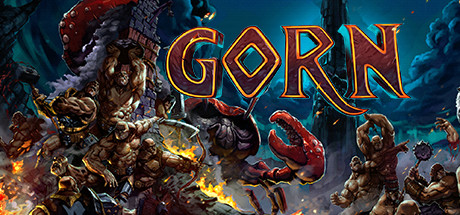
VR gladiator melee combat: The core experience is first-person VR melee combat in a gladiator arena, with 1:1 weapon fighting, waves of enemies, and boss fights. Players use physical motion to punch, swing, and fight through coliseum-style battles.
Motion-based physical combat: Combat relies on real physical movement, making it immersive but physically demanding and potentially dangerous in small spaces. Players risk hitting real objects or breaking controllers if they are not careful.
Wide weapon variety: Players can use a broad arsenal including hammers, maces, swords, axes, spears, halberds, bows, throwing knives, and bare hands. Weapons each have unique abilities and drawbacks, and can be picked up from fallen enemies.
Dismemberment and gore mechanics: A major feature is brutal dismemberment, decapitation, and sending body pieces flying. Players can also physically tear limbs off enemies with their hands, with an option to replace blood via a piñata mode.
Physics-driven combat interactions: The game features physics-based combat where swing strength and physical stamina affect damage dealt. This makes fights feel dynamic and responsive to player movement.
Strong VR performance: The game performs well on Quest 2 and Quest 3 via PCVR, and runs smoothly on older hardware like the RTX 3060 Ti. It is also noted to run very smoothly overall.
Moderate PC requirements: Feedback indicates the game requires a solid medium PC, and a high-end GPU such as a 3080 is needed for PSVR 2. This suggests moderate to high system demands for smooth VR performance.
Micro-stutters on new PCs: Micro-stutters occur on new PCs due to an old engine, which can detract from the experience. This issue is specific to newer hardware configurations.
Crashes reported: The game crashed twice for one user, indicating potential stability issues. These crashes may affect gameplay sessions.
Controller connection issues: A user experienced controller connection loss that required a restart. This issue can interrupt gameplay and requires troubleshooting.
Recommendations
Essential VR must-buy: Many reviewers describe this as one of the best and most essential VR experiences available, repeatedly calling it a must-buy for headset owners. It is strongly recommended for anyone interested in VR.
Highly recommended overall: Many reviewers give strong recommendations, including 10/10 scores and calling it the best game on VR headsets. Some say they cannot recommend it enough.
Clear play space needed: Numerous reviewers emphasize the need for a large, clear play area to avoid injury or property damage, with some advising against playing without a dedicated VR room. Warnings include being mindful of surroundings and warning others to stay away.
Wait for discount: A recurring theme is that the game is only worth buying at a low price or during a sale, with several reviewers advising against full price. Some suggest a specific price range around $5 to 15-20 €.
Recommend with caveats: Many reviewers recommend the game but with conditions such as ensuring a safe play area, being careful with controllers, and warning others. Some recommend it to anyone, while others specify teens and adults, not kids.
Buying context
Community fair range: $5.00 - $20.00.
Game completion: 4.1h.
Session length: 2.0h.
Players consistently describe the game as immediately addictive and fun, especially in story mode, but several report it becomes repetitive and boring after progression or extended play. Early friction includes motion sickness, space constraints, and adjusting to mechanics, with no specific time-to-fun cue.
Friction: Motion sickness; High play-space requirement; Small play space; Adjusting to the mechanics.
Unlock drivers: Getting used to the mechanics made playing in a small space much easier.
Player profiles
Local Multiplayer Party Brawler: Hosts local party matches, hot-drops into ongoing games, and customizes rules for group play. Motivation: Social competition and shared VR mayhem with friends in the same room. Stance: buy.
VR Comfort-Sensitive Player: Uses snap turn or real turn, touchpad locomotion, short sessions, and checks headset compatibility before playing. Motivation: Enjoying VR combat without triggering motion sickness or physical discomfort. Stance: sale.
Physics-Driven Gladiator Combat Enthusiast: Swings hard, uses environmental weapons like rocks, experiments with combat physics, and plays for chaotic fun. Motivation: Visceral, physics-based melee combat and creative violence. Stance: buy.
Other review notes
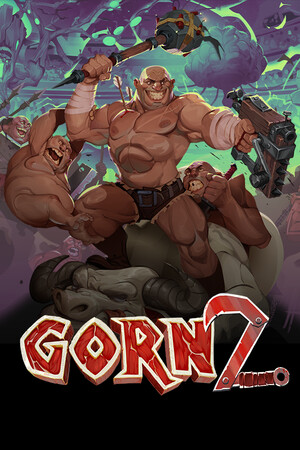
Sequel GORN 2 often mentioned: Many reviewers reference GORN 2, either recommending it, noting it is better, or mentioning its announcement. Some compare level counts and content between the two games.
Large play space required: Multiple reviewers stress that the game requires a large physical play area to avoid hitting real-world objects or people. Some mention needing about 3m by 3m, and one notes that playing in a smaller area increases the risk of damaging controllers.
Compatible with various VR headsets: The game is compatible with any VR headset, including Windows Mixed Reality. Reviewers played on PS4, Oculus Quest 2, Quest 3, PCVR, Oculus Rift, and HTC Vive Pro.
Limited content and short game length: Several reviewers point out that the game is short with limited content, lasting around 4 to 12 hours. Some mention it can be finished in one evening and that areas are small.
Active developer and frequent updates: The developer is active in Discord, open to feedback, and releases frequent updates with fixes and content. Bugs reported on the experimental branch were fixed within hours.