- Simple yet fun
- High replayability
- Engaging gameplay
- Tight tactical gameplay
- Repetitive gameplay
- Weak graphics

Emotions
Archetypes
What players like:
Common complaints:
Gameplay feedback:
Performance notes:
Recommendations:
Other player notes:
Similar games
Blend with other games

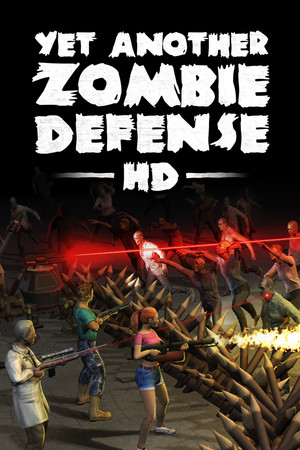


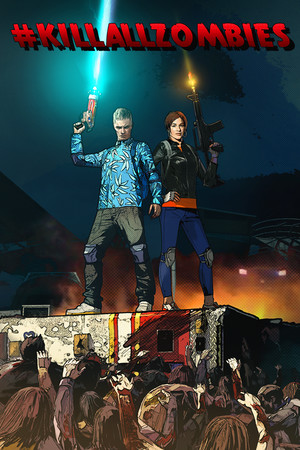


Review evidence
Why players say this
Review evidence
Why players say this
Steam review verdict
Simple, fun, and highly replayable with tight, engaging tactical gameplay, though repetitive runs and weak graphics hold it back.
What players like
Simple yet fun: Players frequently describe the game as simple, fun, and easy to pick up, providing hours of entertainment.
High replayability: The game offers plenty of replay value, with simple mechanics that encourage repeated play.
Engaging gameplay: The gameplay is praised as very good, interesting, gripping, and addictive, keeping players engaged.
Tight tactical gameplay: The tactical layer is engaging and the strategy gameplay is tight and well-executed.
Unique tower defense twist: The game offers a fun and innovative twist on the tower defense genre, with a unique implementation.
Common complaints
Game is difficult: Players find the game challenging, with frustration arising from its difficulty. The difficulty spikes later in the game.
Repetitive gameplay: Gameplay becomes repetitive and lacks depth, leading to boredom after several hours. Variety is missing.
Weak graphics: Graphics are often described as simple and unimpressive. The visual presentation is not a strong point.
Shallow story: The game lacks a deep or clear story, with some calling it nonsensical. There is no grand narrative.
Annoying randomness: Random elements feel excessive, leading to frustration. Randomly generated levels and equipment can create impossible situations.
Gameplay and performance
Core zombie rescue objective: Players must save civilians from zombie-overrun cities while eliminating the undead threat. The primary goal is to evacuate as many survivors as possible before they are turned or killed.
Top-down city evacuation: Players oversee a top-down view of cities, directing rescue operations and zombie extermination across districts. The perspective emphasizes strategic planning and coordination.
Adjustable difficulty settings: Players can modify the challenge through multiple difficulty levels and custom modifiers, allowing them to tailor the experience to their skill and preference.
Helicopter rescue mechanic: A key gameplay element involves using helicopters to evacuate civilians and survivors from danger zones. Players must protect civilians until the helicopter arrives.
Randomized elements for replayability: Random events, procedurally generated maps, and random mercenary assignments ensure each playthrough offers a fresh challenge and high replay value.
Startup crashes common: Many players report the game crashing or failing to start, often on launch. Some note that recent updates have fixed these issues for them.
Runs well on low-end hardware: Multiple reviewers note the game performs smoothly on weak or older computers, including netbooks and work laptops.
Missing OpenAL causes launch errors: Several users encounter errors about missing sound files or crashes on startup that are resolved by installing the OpenAL audio library.
Crashes during gameplay: Some users experience crashes while playing, not just at startup, often at specific points or after certain actions.
Blue screen crashes on Windows: Some players experience blue screen crashes, particularly on Windows systems, sometimes linked to specific hardware or compatibility modes.
Recommendations
Buy on sale: Many reviewers recommend waiting for a discount before purchasing, as the game offers better value at a reduced price.
Highly recommended overall: Reviewers strongly recommend the game, calling it amazing and worth trying.
For RTS and tactics fans: Recommended for players who enjoy real-time strategy, tactics, and tower defense games.
Worth full price: A few reviewers consider the game worth buying at full price and very worth the cost.
Buy without hesitation: Some reviewers say to buy the game without hesitation and do not regret their purchase.
Buying context
Community fair range: $5.00 - $9.99.
Game completion: 4.0h.
Session length: 0.3h.
Players commonly find Atom Zombie Smasher quick to pick up and fun early, but many report that repetition and limited progression make it less enjoyable after extended play.
Friction: steep learning curve on higher difficulties; faulty or unclear tutorial advice; random unit availability limits planning; slow, methodical opening for some players; unclear explanation of some main mechanics.
Unlock drivers: figuring out the game's nuances; unlocking mercenaries to improve evacuations; the pace picking up as missions escalate; using hand-holding options in early playthroughs.
Player profiles
Casual Zombie Strategy Newcomer: Plays on Casual mode, values short sessions and light tactics, and prefers buying at a discount. Motivation: To enjoy quick, relaxing zombie-defense strategy with simple rules and forgiving difficulty. Stance: sale.
Hardcore Tactical Strategist: Plans unit placement and trap timing, adapts to random maps and squads, and seeks hardcore difficulty. Motivation: To master difficult tactical scenarios and solve maps through careful planning under pressure. Stance: buy.
Mod-Friendly Tinkerer: Adjusts campaign options, installs community mods, and experiments with altered settings. Motivation: To customize rules, campaigns, and content to create new replayable experiences. Stance: buy.
Platform notes
Steam Deck: The reviews do not explicitly mention Steam Deck, but Linux compatibility is the closest available proxy. The audit finds repeated reports of crashes after the intro or at launch, including an audio-file launch error that required a forum workaround, plus resolution constraints tied to Windows UI scaling. Some users report smooth Ubuntu performance, but the crash frequency and display limitations indicate a high-friction experience for Linux-based handheld play.
Linux and Proton: The dataset shows a native Linux build with several users reporting successful Ubuntu play and long Linux sessions. However, repeated explicit reports describe crashes immediately after the intro on Ubuntu/Nvidia, making Linux support inconsistent for part of the user base. No Proton-specific evidence is present; the findings are native Linux only.
Other review notes
Short game length: Players frequently note the game is short, with playtimes around 2-4 hours. Some mention it can be completed in a few attempts.
Developed by Blendo Games: The game is developed by Blendo Games (Brendon Chung) and first released in 2011. The studio is known for quirky experimental titles.
Humble Bundle distribution: The game was included in various Humble Indie bundles, often obtained through the Humble Blendo Bundle.
Simple graphics: Graphics are described as simplistic or minimalistic rather than outstanding.
Very small file size: The game takes up only about 25 MB of storage space.