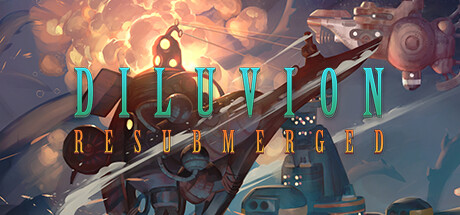
- Stunning art style and visuals.
- Unique Jules Verne submarine gameplay.
- Captivating deep-sea world to explore.
- Widespread Bugs and Lack of Polish.
- Significant Crew Management and UI issues.
- Weak story, inconsistent combat.
Emotions
What players like:
Common complaints:
Gameplay feedback:
Performance notes:
Recommendations:
Other player notes:
Similar games
Blend with other games



Review evidence
Why players say this
Review evidence
Why players say this
What players like
Enjoyable, unique, and immersive.: Players found the game highly engaging and fun, often highlighting its innovative mechanics and immersive experience. Many returned for multiple playthroughs, appreciating its unique charm and long-term appeal for those with patience.
Stunning art style and visuals.: The game received widespread praise for its beautiful and distinctive visual identity, creatively blending 2D and 3D elements. Reviewers consistently highlighted the captivating aesthetics, artistic effort, and strong graphical style as major strengths, drawing players in and enhancing the overall experience.
Engaging story and characters.: The game features a decent and intriguing storyline, which many found well-written and charming, despite some noting it wasn't overly complex. The well-crafted lore and heartfelt characters further contributed positively to the narrative experience.
Captivating underwater world exploration.: The unique, beautifully crafted, and mysterious post-apocalyptic underwater world was a significant draw. The game excels at creating an immersive sense of deep-sea adventure, solitude, and wonder, encouraging extensive exploration and often evoking a grand, cinematic feeling.
Enjoyable submarine experience and combat.: Players appreciated the game's diverse submarine models, customization, and upgrade options. While initial controls could be quirky, they became intuitive and fun with practice, leading to satisfying deep-sea combat that felt appropriately sluggish and challenging.
Common complaints
Widespread Bugs and Lack of Polish: Players frequently encountered numerous bugs, performance issues, and general lack of polish, making the game feel unfinished or even unplayable, especially in later stages or after major updates. Many bugs are game-breaking, preventing quest completion, progress, or forcing restarts, indicating a significant quality control problem.
Crew Management & UI Issues: The crew management system suffers from multiple bugs, including assignments resetting, crew members disappearing or randomly unassigning, and issues with managing full rosters. Players also report general clunkiness and poor ergonomics with the user interface, particularly with a controller.
Weak Story, Lore, and Dialogue: The narrative aspects of the game are frequently criticized for being thin, shallow, and poorly explained, with little lore about the world or factions. Players report an incomplete or rushed ending, often leaving questions unanswered, and dialogue is marred by grammatical errors, repetition, and a lack of engagement.
Inconsistent Combat & Enemies: Combat encounters present an inconsistent challenge, with some players finding bosses overly difficult due to aggressive enemies with infinite resources, while others find combat overwhelmingly easy and boring after initial upgrades. Enemy AI can be problematic, with foes pursuing endlessly or glitching, and submarine combat often feels clunky.
Poor Navigation and Guidance: Players experience significant frustration with the game's navigation systems, including an unreliable "goldfish" guide that often misleads or disappears. The lack of clear quest markers and general direction results in tedious backtracking and wasted time, impacting progression and overall enjoyment.
Gameplay and performance
Jules Verne Submarine Exploration: The game is a post-apocalyptic, Jules Verne-inspired underwater exploration game where players captain a submarine and its crew. It combines 3D exploration and combat with 2D base/sub interactions, featuring a linear story within open-world-like zones, resource management, and RPG progression.
Resource Scavenging & Trading: Core gameplay involves significant resource gathering from wrecks and stations, fighting pirates, and trading with merchants. Scrap metal functions as both currency and ammunition, driving the grind-heavy progression for submarine and crew upgrades.
Deep Crew & Sub Management: Players manage their submarine, monitoring vital resources like oxygen, food, and ammunition. Crew members are crucial; they are hired, assigned to stations to boost performance, consume resources, and unassigned crew will automatically repair hull damage. Running out of food causes crew to strike.
Inertial Submarine Controls: The game's submarine controls often feel like moving through gel or space, requiring players to get used to the inertia. While not overly difficult, the controls can be finicky, though an "easy-mode" was introduced to address this.
Mixed Quality & Repetitive Grind: Player feedback suggests the game is of medium quality among indie titles, with some aspects like story, dialogue, and characters being "ok". The gameplay can become repetitive due to the grind-heavy nature, but controls and interface are generally considered good after a learning curve.
Post-patch improvements noted: Players observed that recent patches have generally improved the game's state, leading to a decrease in overall bugs, resolution of automatic save problems, and better performance optimization. This indicates active development and a positive trend in addressing player feedback.
Performance and stability issues persist: Despite some improvements, significant performance drops, notably during boss fights where FPS can plummet, are still a concern for players. Additionally, critical 'insoluble' bugs and occasional game crashes were reported, highlighting lingering stability issues that impact gameplay.
Recommendations
Limited Recommendation; Buy on Sale: A significant portion of players do not recommend the game at full price, citing an unfinished state, lack of progression, bugs, and a generally disappointing experience. However, a large number suggest it might be worth purchasing if found during a deep sale, especially for a few hours of fun.
Niche Appeal for Explorers: Despite general reservations, the game is highly recommended for fans of deep-sea exploration, submarine games, Jules Verne-esque sci-fi, and abstract stories. Players who appreciate open worlds, unique aesthetics, and resource management (like FTL) are more likely to enjoy the experience and overlook its shortcomings.
Updated Version is Buggy: Players report that the updated "Resubmerged" version is plagued with bugs and instability, leading many to recommend the older, "UNsubmerged" or beta versions for a more stable experience. There's a strong call for developers to allow rolling back to previous versions or to address the game's unfinished feel and control issues, with many reviewers planning to wait for future improvements.
Controller & Early Game Tips: Players strongly recommend using a game controller for a better experience. They also advise upgrading the ship early (saving ~20k) and pushing through initial monotony, especially during the collection quest, to fully enjoy the game.
Caution for Bathophobia: Players with bathophobia (fear of the deep sea) are advised to be cautious when considering this game. Its deep-sea setting might be unsettling for those with this specific phobia.
Other review notes
Ambiguous Development Status: There are conflicting views on the game's ongoing development, with some players accusing developers of abandoning the crowdfunded project, while others note recent patches and ongoing improvements. Many players express hope for a large patch or believe the current version is an "alpha" state, showcasing a loyal community despite the uncertainty.
Rich, Unique Underwater World: The game is lauded for its deep and imaginative lore, drawing inspiration from classic works like Jules Verne and Disney's Atlantis. It successfully crafts a unique post-apocalyptic world where humanity survives under an ice-covered, water-dominated Earth. Players appreciate the conceptual depth and express a desire for an even richer world in future iterations.
Polarizing "Rough Gem" Potential: The game elicits strong, divided opinions, often described as a "rough gem" with significant potential. Many players feel initial frustrations, particularly with camera and controls, overshadow deeper gameplay elements. Despite its indie nature and mixed reviews, the game retains a dedicated player base.
Suboptimal Controls & UI Issues: Players consistently report that the game's controls, especially for gamepad users, are clunky and require a significant learning curve to master. The interface often necessitates mouse input, which is inconvenient for controller-focused play. There is a strong desire for improved controls and a more intuitive user interface in future updates or sequels.
Demand for Chinese Localization: There is a significant and expressed need for a Chinese language option, which the development team is actively addressing by working on localization efforts and soliciting community assistance. This indicates a growing international audience for the game. Previous improvements in other language translations, such as Japanese, suggest a commitment to supporting diverse players.