- Beautiful moving story praised highly
- True story adds realism depth
- Religious themes alienate some players
- Very short game length disappointing
- Poor clunky controls frustrating gameplay
- Confusing progression and direction unclear
Emotions
Archetypes
What players like:
Common complaints:
Gameplay feedback:
Performance notes:
Recommendations:
Other player notes:
Similar games
Blend with other games



Review evidence
Why players say this
Review evidence
Why players say this
Steam review verdict
A beautiful moving true story with deep realism is undermined by alienating religious themes, frustrating clunky controls, and a disappointingly short, confusing progression.
What players like
Beautiful and moving story: The narrative is consistently praised as beautiful, touching, and extremely strong. It effectively conveys positive emotions and is deeply impactful to players.
True story adds realism: The game is based on a true and heart-wrenching story, which enhances its realism and emotional resonance. Players find the story touching because it is grounded in reality.
Artistic expression praised: The game is celebrated as a perfect example of video games as art, reflecting life and artistry. It is described as a beautiful creation and a true form of art.
Sincere and honest storytelling: The story is described as pure, sincere, and honest, which contributes to its authenticity. Players appreciate the vulnerability and honesty in the narrative.
Memorable and impactful: The game stays with players for years and is impactful and memorable. Its emotional scenes strike a deep chord, leaving a lasting impression on the audience.
Common complaints
Heavy religious themes alienate: Many players are put off by the game's strong religious, particularly Christian, symbolism and preaching in the second half. This focus is seen as preachy and may alienate non-religious players, making the story unrelatable.
Short game length: The game is consistently described as too short, with several players noting it lasts only about 2 hours. This brevity is seen as a major drawback, especially relative to the price.
Poor and clunky controls: Multiple reviews describe the controls as terrible, awkward, and clunky, which detracts from the gameplay experience. The fixed-point movement is especially frustrating for impatient players.
Confusing progression and direction: Many players are unsure what to do or where to go, leading to aimless wandering and repeated dialogue. Some puzzles, especially in the chapel, are confusing, and the timeline is disjointed.
Weak and sparse gameplay: Gameplay is described as weak, sparse, and poor even for a walking simulator. Lack of strong mechanics and limited interaction make the experience feel empty.
Gameplay and performance
Primarily point-and-click gameplay: Most feedback describes the game as a point-and-click adventure with minimal mechanics, focusing on clicking and watching the narrative unfold. This style is consistent across multiple clusters.
Emphasized as interactive story: Players repeatedly note that the game is an interactive narrative or story rather than a traditional game, highlighting its focus on narrative over mechanics. This perception shapes overall expectations and reviews.
Includes various mini-games: Players mention a variety of mini-games, including flying on balloons, racing karts, and platforming segments, which add variety to the otherwise simple gameplay. These mini-games often serve as metaphors for the story.
Abstract and simple graphics: The game features abstract, layered graphics with broad strokes of color and texture, often described as simple. Some compare the visual style to 'Out of This World', indicating a unique aesthetic.
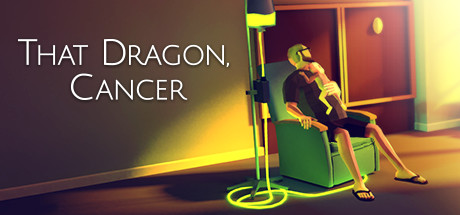
Cancer story with personal touch: The core narrative revolves around a child's battle with cancer and the family's experience, often based on real-life events. This deeply emotional subject is a key selling point for players.
Technical issues with display settings: Players report the game lacks resolution and windowed mode options. Ultrawide monitors show black stripes that obstruct the view, and some levels become stuck due to aspect ratio problems.
Recommendations
Strong overall recommendation: Multiple reviews strongly recommend the game, with some giving it perfect scores and praising it as a must-play experience.
Emotional impact with tears: Many reviews highlight the game's profound emotional weight, advising players to prepare tissues and expect to cry.
Broad audience recommendation: The game is recommended to everyone, including skeptics, those with interest in emotional narratives, and mature adults.
Valuable meaningful experience: Reviewers describe the game as a masterpiece that provides a meaningful emotional journey despite being difficult to play.
Short playtime but worth: Reviewers note the game takes only a couple of hours yet is still worth playing due to its strong message.
Buying context
Community fair range: $15.00 - $40.00.
Game completion: 3.0h.
Story completion: 2.0h.
Session length: 2.0h.
The game forces early immersion and linear progression, which frustrates some players, but those who continue find the story and progression rewarding.
Friction: forced immersion; lack of player agency.
Unlock drivers: story progression; emotional narrative.
Player profiles
Empathetic Storyteller: Narrative-driven, emotionally open, plays for catharsis and human connection rather than gameplay mechanics. Motivation: To experience a profound emotional and spiritual journey through a real family's tragedy. Stance: buy.
Cautious Protector: Carefully assesses personal emotional readiness before playing, often plays alone and with preparation. Motivation: To honor the story and share the experience while protecting vulnerable audiences from overwhelming grief. Stance: sale.
Gameplay Critic: Analytical and results-oriented, evaluates game mechanics, controls, and value for money before committing. Motivation: To assess the game as a product, weighing its limited interactivity and perceived production motives against its emotional narrative. Stance: deep sale.
Other review notes
Game is very short: Multiple reviews highlight the game's brevity, with completion times ranging from 1 to 3 hours. This short runtime is noted as a defining characteristic, often linked to its emotional impact.
Tribute to deceased son: The game is widely recognized as a heartfelt tribute by Ryan and Amy Green to their son Joel, who died of brain cancer. This personal context is central to the game's narrative and emotional weight.
Based on true story: Reviewers frequently note that the game is based on the real experiences of the Green family, specifically Joel's battle with cancer. The authenticity of the story enhances its emotional resonance.
Funded via Kickstarter: The game was crowdfunded through Kickstarter, with over 1000 backers supporting the project. This funding background is mentioned by several reviewers, highlighting the community-driven nature of the game.
Artistic emotional experience: Many reviewers describe the game as more of an artistic experience than a traditional game, with a lasting emotional impact. It is often compared to interactive art or a poignant movie or book.