- Engaging progression system enhances gameplay experience
- Excellent value for price justifies purchase
- Strong audiovisual design immerses players effectively
- Prestige system lacks depth and replayability
- Game length too short disappoints many players
- Endless mode and bugs disrupt smooth gameplay
Emotions
What players like:
Common complaints:
Gameplay feedback:
Performance notes:
Recommendations:
Other player notes:
Similar games
Blend with other games





Review evidence
Why players say this
Review evidence
Why players say this
What players like
Engaging progression system: The game's progression, upgrades, and prestige mechanics are frequently praised for feeling impactful and well-designed. Players appreciate the sense of growth and empowerment from upgrades.
Excellent value for price: Players consistently highlight the game's strong value proposition, noting it is worth more than its cost and provides enjoyable gameplay for its price. Many mention short but satisfying playtime as a positive.
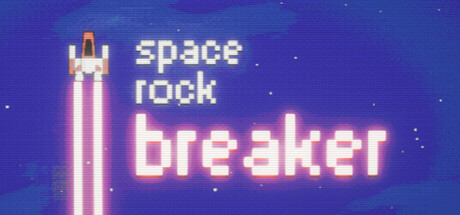
Strong audiovisual design: The game's art style, animations, and soundtrack receive consistent praise for being well-crafted and enhancing the experience without becoming intrusive.
Completionist-friendly achievements: Achievements are noted as easy to obtain, making the game appealing for completionists. This adds replayability and satisfaction for players.
Natural localization: The Japanese translation is praised for being natural and unobtrusive, ensuring accessibility for non-English speakers without hindering gameplay.
Common complaints
Prestige system lacks depth: Players report the prestige system feels underutilized, with only one prestige needed to beat the game and insufficient upgrades or challenges post-prestige. This makes progression feel shallow and unrewarding.
Game length too short: Multiple reviews highlight the game's short completion time (2-3 hours to 100%), with content ending abruptly and no meaningful post-game challenges to extend playtime.
Endless mode and bugs break gameplay: Critical bugs, such as the infinite cash glitch and broken endless mode math, disrupt progression and balance, making late-game content unplayable or trivial.
Pacing issues frustrate players: Slow resource settlement pacing and abrupt difficulty drops mid-game create inconsistent gameplay flow, reducing engagement and challenge.
Late-game balance is unpolished: Progression slows significantly in late-game, with upgrades becoming trivial and the player becoming overpowered, undermining the game's challenge and replayability.
Gameplay and performance
Incremental and shooter hybrid: The game blends incremental ('numbers go up') mechanics with shooter elements, creating a unique hybrid experience. Players engage in both passive progression and active combat.
Plinko mechanics for rewards: A pinball-inspired Plinko mechanic is used for resource collection, loot distribution, and upgrades, adding a layer of randomness and engagement to progression.
Randomness in gameplay: Random elements, such as loot drops or Plinko-based rewards, play a significant role in the game’s mechanics, influencing strategy and outcomes.
Artifacts and skill trees: Customization is driven by artifacts and skill trees, allowing players to tailor their playstyle. Upgrades may be expensive, adding strategic decision-making.
Meta and meaningful progression: Players experience meta-progression that persists across sessions, ensuring a sense of growth and accomplishment even after individual runs end.
Steam Deck compatibility praised: Players reported smooth performance using basic controls (touchpad and L/R buttons) on the Steam Deck, highlighting good hardware optimization for portable play.
Recommendations
Highly recommended for fans: Players strongly recommend the game, particularly for fans of incremental games, citing its value and enjoyment. The feedback highlights its appeal to a specific genre audience.
Great for short sessions: The game is praised for being suitable for short play sessions and providing a few hours of entertainment. This makes it ideal for casual or time-limited gaming.
Positive developer outlook: Reviewers express excitement and anticipation for future games from the developer, indicating trust and satisfaction with their work.
Other review notes
Nostalgia for 90s gaming: Players frequently mention a strong sense of nostalgia for 1990s gaming, suggesting the game successfully evokes retro aesthetics, mechanics, or themes. This indicates a positive emotional connection to the era.