- Balanced and deep combat
- Interconnected strategy systems
- Immersive Three Kingdoms experience
- Balances macro and tactical strategy
- Poor UI and onboarding
- Steep learning curve

Emotions
Archetypes
What players like:
Common complaints:
Gameplay feedback:
Performance notes:
Recommendations:
Other player notes:
Similar games
Blend with other games 88%Total War: THREE KINGDOMS
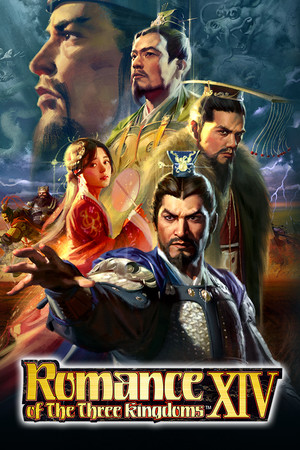 88%ROMANCE OF THE THREE KINGDOMS XIV
 87%Heroes' Vow: Three Kingdoms
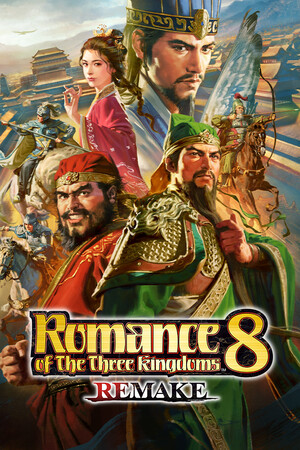 86%ROMANCE OF THE THREE KINGDOMS 8 REMAKE
 84%Ancient Warfare: The Han Dynasty
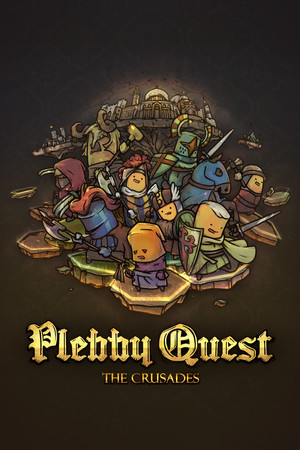 83%Plebby Quest: The Crusades
 81%Reigns: Three Kingdoms
 81%King's Orders
 81%Field of Glory: Kingdoms
 80%DYNASTY WARRIORS 9 Empires
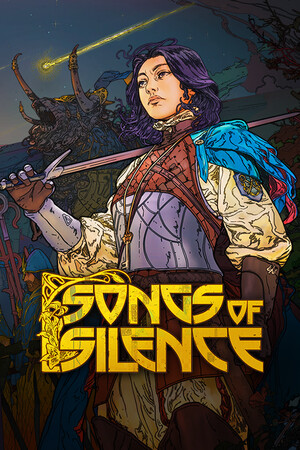 80%Songs of Silence
 80%Total War: PHARAOH
Review evidence
Why players say this
Review evidence
Why players say this
Steam review verdict
Deep combat and interconnected strategy systems deliver an immersive Three Kingdoms experience with strong macro and tactical play, but poor UI, weak onboarding, and a steep learning curve can hurt.
What players like
Balanced and deep combat: Combat is well-balanced, featuring effective unit counters, terrain and positioning effects, and general specialties that stack with unit traits. Encirclement and flanking mechanics add depth beyond raw stats.
Interconnected strategy systems: Internal affairs, diplomacy, and military systems are deeply interconnected, creating a cohesive strategic layer. This integration allows for meaningful decisions across all aspects of gameplay.
Immersive Three Kingdoms experience: The game offers strong immersion with a Chinese art style, realistic ancient scenes, and authentic chaotic-era power struggles. Campaign storylines and historical events let players relive the Three Kingdoms story.
Balances macro and tactical strategy: The game balances macro-level faction competition with battlefield operational space, avoiding tedious tactical micromanagement and pure stat comparison. It finds a good midpoint between complexity and accessibility.
Large roster of factions and generals: With over 40 starting factions and over 900 unique generals, each with unique stats and skills, the game provides a massive sandbox for varied playthroughs.
Common complaints
Poor UI and onboarding: Many players find the user interface and beginner guidance confusing, cluttered, and in need of significant improvement. The tutorial is described as crude, leaving players to learn complex systems on their own.
General system lacks depth: Generals are mostly decorative with no meaningful growth or equipment system, making it unrewarding to develop weak generals. Stat gaps make second- and third-rate generals mere background figures, and traits are overly long and numerous.
Combat balance and tactics: Combat lacks tactical depth due to absurd balance: unit counters and troop differences have little effect, and enemy god generals are nearly unbeatable. A high-stat Guan Yu cannot beat a low-command general frontally, making tactics low-value.
Steep learning curve: The game is hard to get into, with players frequently getting crushed after repeated restarts. Early game difficulty is punishing, especially for small factions, and very hard mode is considered not worth attempting.
Map visual and clarity issues: The map looks messy and blurry when zoomed in, with cluttered boundaries that make it hard to distinguish allies, vassals, and enemies. Models and details appear simple up close.
Gameplay and performance
Three Kingdoms strategy core: The game is fundamentally a Three Kingdoms-themed strategy game, with over 900 generals and a macro sandbox. Many users describe it as similar to Three Kingdoms 13.
Unit counters and terrain: Combat emphasizes unit counter relationships, terrain effects, and positioning. Generals also have matching systems and specialties that influence battles.
Main and deputy generals: Players pair main and deputy generals to form armies, with combinations affecting combat outcomes. This system is a key tactical layer.
Automated battles: Battles auto-resolve after dispatching troops, with skills triggering automatically. This reduces tactical micromanagement, though some find it too simplified.
Sandbox strategy gameplay: Players control a warlord in a sandbox environment, managing troops, cities, and generals on a big map. The goal is gradual unification through strategy and management.
Late game frame drops: Players report frame rates dropping below 30 FPS during late game segments, indicating performance degradation as the session progresses. This is a specific performance issue that affects playability in later stages.
Noticeable stuttering: Feedback notes noticeable stuttering during gameplay, disrupting smooth play. The vague description limits detail but points to a recurring performance concern.
Game crashes: Players report crashes that interrupt gameplay. This is a stability issue, though the single report provides limited context.
Recommendations
Appeals to Three Kingdoms fans: Many reviewers recommend the game specifically to veteran Three Kingdoms and Romance of the Three Kingdoms fans, including those seeking a Chinese-made grand strategy alternative to Japanese-style titles. It is described as a must-play for fans of the series and the SLG genre.
Strong strategy sandbox appeal: Reviewers highlight the game for players who want an authentic strategy experience with deep sandbox mechanics and character development. It suits those who enjoy late Han hegemony scenarios and can tolerate imperfect details.
Needs optimization and polish: Several reviewers say the game is playable but requires optimization before it can be fully recommended, and some advise waiting for developer improvements before buying. Others will only change to a positive review once problems are solved.
Good value for money: A few reviewers consider the game worth the price and note high value compared to other titles, implicitly recommending it on cost grounds.
Deluxe edition extras are cosmetic: The deluxe edition adds extra generals and portraits that do not affect gameplay, so the base game is recommended for a normal playthrough. Wealthy players may still buy it for the cosmetic content.
Player profiles
Veteran Three Kingdoms Strategist: Long-term campaign play focused on faction rivalry, internal affairs and city development, army building, and map conquest. Motivation: To experience a deep, authentic Three Kingdoms strategy game that can stand beside the long-running Romance of the Three Kingdoms and Total War formulas. Stance: buy.
Tactical Sandbox Commander: Uses counties as supply depots and march hubs, combines turn-based planning with sandbox tactics, and builds general-led armies for city conquest. Motivation: To win through flexible maneuver, logistics, and strategic counterplay rather than brute-force troop stacking. Stance: buy.
Curious Newcomer: Tentative, exploratory play while figuring out the many generals and systems. Motivation: To explore a Three Kingdoms strategy game for the first time and learn its large general roster. Stance: buy.
Other review notes
Frequent Romance of the Three Kingdoms comparisons: Many reviewers compare the game's feel, framework, and macro-level design to Koei's Romance of the Three Kingdoms series, including specific entries like RTK IX, RTK XIII, and RTK XIV. These comparisons span multiple clusters and indicate the game is often evaluated against the genre benchmark.
Favorable comparisons to other Three Kingdoms games: Some reviewers compare the game favorably to other Three Kingdoms strategy titles, suggesting it stands out positively in the genre. It is even ranked among the top three domestic Three Kingdoms games by one reviewer.
Compared to Paradox games: A few reviewers compare the game's feel and system depth to Paradox games like Europa Universalis, indicating a different design approach. These comparisons highlight the game's strategic depth.
Game is in early access: Reviewers note that the game is currently in early access, which may affect expectations for completeness and stability. This status is mentioned by multiple users.
Core systems are well-designed and interconnected: One reviewer praises the core systems as seriously designed and interconnected, suggesting a coherent gameplay experience.